IRinFive

Category: Geopolitical News & Analysis

  • International Security Brief

    June 12, 2025 – Geopolitical Updates & Analysis

    Israel Prepares for Potential Strike on Iran Amid Nuclear Concerns

    Israel appears to be preparing for a potential military strike on Iran, a move that could escalate tensions in the Middle East and complicate U.S. diplomatic efforts to prevent Iran from developing nuclear weapons. Israeli officials have seen a moment of vulnerability in Iran’s nuclear program and have pressed for action, but U.S. President Trump previously blocked such a move, preferring to pursue a diplomatic route. However, after Iran rejected a U.S. proposal to curb uranium enrichment, Trump has become less optimistic about a deal. In response to rising tensions, the U.S. has authorized the withdrawal of diplomats from Iraq and allowed U.S. military families to leave the region. The situation remains volatile, with the possibility of military retaliation from Iran if Israel strikes.

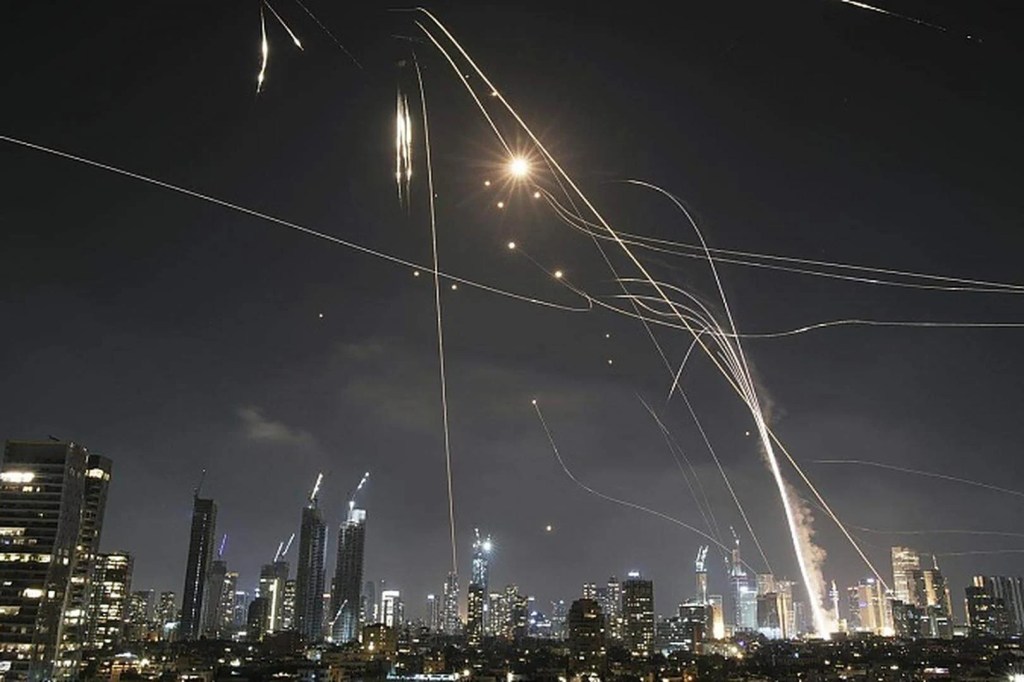
    Iran has prepared its own response, including potentially launching hundreds of ballistic missiles at Israel. Meanwhile, U.S. military officials have been discussing options for further action, though the possibility of military confrontation continues to be a delicate issue. Tensions are further heightened by the potential reimposition of sanctions on Iran due to its violations of the 2015 nuclear deal, which could provoke stronger reactions from Tehran.

    Israel’s concern is fueled by Iran’s advancing nuclear capabilities, with analysts noting that Iran is nearing the ability to produce enough nuclear material for up to ten weapons. While Israel has decimated Iranian-backed groups like Hezbollah and Hamas, Iran’s air defenses are reportedly being restored, making any Israeli strike increasingly risky. Furthermore, it remains uncertain whether Israel can inflict significant damage to Iran’s nuclear program without U.S. military support. The situation has the potential to disrupt oil supplies and create wider regional instability, with U.S. military assets already deployed in the area, including aircraft and a naval carrier.

    IAEA Censures Iran Over Nuclear Noncompliance Amid Rising Tensions and Diplomatic Efforts

    The International Atomic Energy Agency (IAEA) issued a resolution against Iran on Thursday, marking the first time in 20 years the U.N. watchdog has censured the country. The resolution, which passed with 19 votes in favor, criticizes Iran for failing to provide crucial information about undeclared nuclear material and activities. This development comes amid rising tensions, with Israel possibly preparing a military strike against Iran. Iran has responded angrily, condemning the vote as political and threatening to further expand its nuclear program, including the installation of more advanced enrichment equipment.

    Despite Iran’s rejection, the resolution was part of broader diplomatic efforts to curb Iran’s nuclear activities. Negotiations between the U.S. and Iran are ongoing in Oman, with both sides focused on limiting Iran’s uranium enrichment in exchange for civilian nuclear assistance. However, Iran maintains it will not abandon its right to enrichment. While the U.S. has expressed optimism about the talks, President Trump noted that he is “less confident” about a deal, citing delays in Iran’s responses.

    The IAEA resolution does not immediately escalate the situation by referring Iran to the U.N. Security Council for additional sanctions. However, continued noncompliance could trigger the re-imposition of the harsh economic sanctions lifted under the 2015 nuclear deal. If these sanctions are reinstated, they would severely impact Iran’s economy and restrict its nuclear activities. Iran’s nuclear ambitions and the potential for military escalation remain critical points in the ongoing geopolitical standoff.

    Pentagon Reviews Aukus Pact Amid Submarine Delays and Rising China Tensions

    The Pentagon is reviewing the Aukus defense pact between the U.S., U.K., and Australia, raising uncertainty about the future of the alliance. Signed in 2021, Aukus aimed to equip Australia with nuclear-powered submarines, enhance cooperation on advanced technologies like hypersonic missiles and quantum computing, and strengthen defense against China’s growing presence in the Indo-Pacific. However, the U.S. faces challenges in its own nuclear submarine production, leading to concerns about whether it can fulfill its commitments to Australia. U.S. officials are also scrutinizing the deal to ensure it aligns with the “America First” agenda and increases military readiness.

    The partnership has also faced delays in technology development and concerns over export controls. As a result, there are pressures on Australia to increase military spending, with the U.S. urging a boost to 3.5% of GDP. Despite these challenges, Australian leaders, including Prime Minister Albanese, have expressed confidence in the deal’s future, emphasizing the importance of nuclear-powered submarines for Australia’s defense. Even if the U.S. pulls back, the U.K. and Australia could continue developing new submarines independently.

    The timing of the review is especially sensitive, as the U.S. and Australia prepare for joint military exercises next month. Tensions with China remain high, and the Aukus pact is seen as a crucial part of countering Chinese influence in the Pacific. However, internal criticism in Australia and a shift in government priorities have raised questions about the long-term commitment to the agreement, even as public support for acquiring nuclear-powered submarines remains strong.

    China’s Military Show of Force Near Japan Signals Growing Maritime Ambitions

    Over the weekend, Chinese jet fighters closely tailed Japanese military patrol aircraft in two separate incidents, signaling China’s growing maritime ambitions and willingness to challenge U.S. allies in Asia. The encounters occurred as Chinese military activity escalated in the Western Pacific. Two Chinese aircraft carriers, the Shandong and Liaoning, along with seven warships, ventured into waters east of Japan’s Iwo Jima for the first time, drawing concern from Japanese officials. In one incident, a Chinese J-15 jet closely followed a Japanese patrol plane for 40 minutes, at one point coming within just 150 feet of the aircraft.

    The Japanese Ministry of Defense expressed serious concern, warning that such close encounters could lead to accidental collisions, though no damage occurred. In response, China’s Foreign Ministry stated that Japan’s reconnaissance actions were the root cause, urging Japan to stop its “dangerous behavior.” These risky intercepts are not new—similar incidents have been reported involving Chinese fighters and military aircraft from Canada and the U.S. in recent years. The increased Chinese military presence is part of Beijing’s broader efforts to expand its maritime reach, particularly around Taiwan, which China views as a critical target.

    The incidents are part of a wider trend of military escalation in the region. In February and March, Chinese naval ships conducted operations around Australia, while this weekend marked the first time both of China’s aircraft carriers operated near Japan. As China continues its military modernization with an eye on Taiwan, U.S. officials remain focused on strengthening regional security partnerships, particularly with Japan, to counter China’s growing military assertiveness.

  • NATO Calls for Military Spending Hike Amid Russian Threat

    6/11 – International News & Geopolitical Analysis

    NATO Secretary-General Mark Rutte issued a stark warning to alliance members this week, emphasizing that Russia may be preparing for military confrontation with NATO within the next five years. In a pointed speech delivered in London, Rutte underscored the pressing need for a dramatic surge in defense spending and weapon production across the alliance. He argued that even if the war in Ukraine were to end soon, the broader geopolitical threat posed by Russia would remain.

    Rutte, recently appointed NATO chief and formerly the prime minister of the Netherlands, is leading the alliance at a moment of deep strategic uncertainty. His remarks come ahead of a critical NATO summit in The Hague, where U.S. President Donald Trump is expected to reassert his controversial vision of transatlantic defense cooperation. Trump, a vocal critic of European defense spending, is likely to push for a bold new funding goal: a 5% of GDP benchmark for defense, with 3.5% earmarked for direct military expenditures and the remaining 1.5% for ancillary defense-related investments.

    The proposed target marks a substantial increase from the current 2% standard—a goal only recently met by countries like Italy and Spain, more than a decade after its introduction. Some NATO states, particularly those on the alliance’s southern flank, have been slow to ramp up their military capabilities, often arguing that Russia poses no direct threat to their national security. Convincing countries like Spain to endorse the new objective has proven difficult, though they are now expected to support the initiative without vetoing it.

    Rutte’s warning was backed by new internal assessments approved by NATO defense ministers, which outline capability targets necessary to implement regional defense plans. Though the details are classified, priorities reportedly include bolstering air and missile defenses, expanding land force formations, and enhancing logistics and long-range strike capabilities.

    Rutte painted a sobering picture of NATO’s readiness by emphasizing the fact that Russia manages to produce in three months the volume of ammunition NATO produces in a year. Throughout their 3 year war in Ukraine, Russia has transformed itself into a well-oiled war economy, whereas the Transatlantic alliance’s current supply chains are ill-equipped for sustained conflict. To bridge the gap, NATO aims to acquire thousands of additional tanks and armored vehicles, millions more artillery shells, and double support infrastructure such as logistics, transportation, and medical services. Plans are underway to procure hundreds of warships, drones, long-range missiles, and over 700 U.S.-made F-35 fighter jets.

    This ambitious rearmament push is being met with cautious optimism. While front-line states like Poland and the Baltic nations have already committed over 4% of GDP to defense, other members—particularly in Western Europe and North America—face criticism for lagging behind. Notably, the U.S., once a pillar of NATO military spending, now allocates a smaller share of its GDP to defense than it did in 2014, raising some eyebrows even as it pushes allies to spend more.

    Trump’s proposed 5% benchmark is designed to address this imbalance. However, his administration’s own defense budgeting has shown signs of inconsistency. While a $150 billion injection into the Pentagon is included in the current spending bill, projections for fiscal year 2026 suggest a potential decline in defense outlays when adjusted for inflation.

    The broader strategic calculus underpinning these developments is rooted in fears of a future Russian assault on NATO soil. Intelligence assessments have increasingly concluded that Moscow could shift its war machine toward a new front in Europe once the war in Ukraine winds down. The Kremlin’s production of artillery, missile systems, and armored vehicles has skyrocketed, fueling speculation that Russia may be positioning itself for a confrontation with NATO.

    Rutte’s warning that the entire alliance now resides on the “eastern flank” reflects a shift in thinking among European leaders, who had long considered Russian aggression a localized issue. The war in Ukraine has fundamentally altered those assumptions, and NATO is responding with a new urgency.

    Yet for all the planning and investment, questions persist about the alliance’s cohesion. Trump’s return to the diplomatic arena brings both opportunity and risk. While his administration has signaled a desire to see NATO take more responsibility for its own defense, critics argue that this may be code for a gradual American retreat. European officials are working to ensure that any pivot by the U.S. toward Asia, particularly in light of rising tensions with China, does not leave Europe exposed.

    Analysis:

    The NATO alliance is undergoing a transformation as it confronts the realities of modern warfare and great-power rivalry. Rutte’s address marked a pivotal moment in the strategic reawakening of Europe, urging allies to accept that security can no longer be taken for granted.

    The 5% defense target, long considered politically untenable, now appears to be within reach—driven by the combination of Russian aggression and Trump’s pressure tactics. However, this shift comes with risks. A surge in defense spending without a corresponding long-term strategy could result in wasteful procurement and public backlash. Moreover, if NATO members see increased investment as a replacement for U.S. commitment rather than a supplement, the alliance’s unity could fray.

    There’s also the question of sustainability. While high levels of defense spending may be justified amid current threats, maintaining those levels over decades will challenge governments already grappling with post-pandemic debt, social demands, and declining welfare provisions.

    Still, the urgency cannot be ignored. As Rutte noted, Russia’s wartime economy—though dwarfed in size by NATO—has proven capable of outproducing the alliance in key military areas. Bridging that gap is now seen as not only a matter of preparedness, but of deterrence.

  • China’s Rare Earth Export Ban Ripples Across Global Supply Chains

    6/10 – International Economic News & Analysis

    Rare earth elements—crucial for everything from electric vehicles to smartphones, aircraft, and military hardware—have become the latest leverage point in China’s strategic playbook. The world’s largest producer of rare earths, China controls approximately 90% of global supply. In retaliation for U.S. tariffs imposed by President Donald Trump, Beijing’s latest measures restrict the export of rare earths and related magnet materials, impacting countries worldwide and sending shockwaves through Europe’s industrial landscape.

    Although initially viewed as a bilateral issue between Washington and Beijing, the export curbs apply globally. European factories have not been spared as several parts plants across the EU have already suspended output, while companies warn of looming shutdowns if supply does not resume. The disruption highlights how deeply embedded China’s mineral production is in global manufacturing systems.

    As global trade tensions escalate, a new crisis is brewing in Europe’s industrial core. China’s abrupt suspension of rare earth exports in April has begun to severely disrupt supply chains vital to automotive production and broader high-tech manufacturing. With only a small fraction of export licenses granted since the ban, European automakers and suppliers are scrambling to secure alternatives as the geopolitical stakes rise.

    Mercedes-Benz has not yet experienced production issues but is now actively consulting top-tier suppliers on building strategic stockpiles of rare earth materials. The company’s production chief, Joerg Burzer, confirmed that they are creating buffers to cushion against worsening shortages. Meanwhile, BMW confirmed that while parts of its supply chain have been affected, its plants continue to operate normally.

    Others are not as fortunate. CLEPA, the European Association of Automotive Suppliers, revealed that several production lines have already halted due to supply shortfalls. According to the group, only about one in four license applications submitted since April have been approved, and many were rejected on bureaucratic technicalities. The organization warned that further outages are likely unless export permissions are expedited or new sources of supply are secured.

    Volkswagen has reported no immediate impact but is closely monitoring the situation. Likewise, Swedish airbag manufacturer Autoliv remains unaffected but has mobilized a task force to proactively manage potential disruption.

    Another Wake-Up Call for Europe

    EU officials have acknowledged the severity of the crisis and are working to respond. Trade Commissioner Maros Sefcovic recently met with his Chinese counterpart to push for clarity on export policies. Separately, Industrial Strategy Commissioner Stephane Sejourne emphasized the need for Europe to diversify its critical mineral supply, stating the bloc’s overdependence on China is unsustainable. Brussels is now backing at least 13 mining and processing projects outside the EU to reduce reliance on Chinese sources.

    Germany’s ZVEI electrical and digital industry association reported that many companies only have weeks—or, at best, a few months—of stockpiled rare earths left. As political uncertainty drags on, some European firms are taking matters into their own hands by seeking side deals within China, underscoring frustration with government inaction.

    Facing pressure, automakers and component suppliers are accelerating the development of magnet-free technologies. BMW, for instance, has introduced rare-earth-free motors in its newest EV generation. However, even these designs still require rare earths for smaller electric components, highlighting how difficult it is to fully decouple from China. Other manufacturers like General Motors, ZF, and BorgWarner are also working on rare earth–reduced technologies, though cost and scalability remain significant hurdles.

    This technological pivot is not purely reactive—it is strategic. Reducing dependence on Chinese-controlled materials aligns with broader efforts to localize supply chains, ensure production continuity, and align with clean energy targets. But time is not on the industry’s side. New designs and mining operations take years to develop and approve, and the immediate shortage threatens manufacturing schedules within months.

    Trump’s Trade Pressure and Xi’s Retaliation

    At the heart of the issue is a deteriorating trade relationship between the U.S. and China. President Trump’s sweeping tariffs—some reaching up to 145% at points—were initially imposed to shrink the U.S. trade deficit and revive domestic manufacturing. But after market turmoil, he partially scaled back the tariffs, only for China to retaliate using its grip on the critical minerals market.

    Trump has publicly accused Beijing of undermining the fragile truce struck last month, calling Chinese President Xi Jinping a difficult negotiator. For Trump, who seeks to project strength amid a tumble in political approval a few months in, restoring American leverage while stabilizing markets has become a delicate balancing act. But China’s export curbs demonstrate that Beijing has potent tools of its own—tools that can wreak havoc on Western industries within weeks.

    Analysis:

    This rare earth crisis is not just another chapter in the U.S.-China trade war; it is a turning point in global industrial policy. It reveals the fragility of globalization in a world where key resources are controlled by adversarial powers. As the West accelerates its green energy and electrification efforts, it remains startlingly vulnerable to supply disruptions from a single country.

    Europe’s delayed response and lack of domestic extraction capacity leave it dangerously exposed. Policymakers have long known the risks of rare earth dependence but failed to invest adequately in alternatives. The current scramble may finally jolt the EU into action, but the transition will not be swift. Until then, companies will operate under a constant threat of shortage and shutdown.

    China, for its part, is sending a clear message: it will not remain passive while being economically pressured by Western tariffs. By weaponizing its mineral dominance, it is signaling that economic coercion is a two-way street.

  • International Security Brief

    6/9 – Geopolitical News & Analysis

    Russia Launches Largest Drone Strike of the War Against Ukraine

    Russia launched its largest drone strike of the war on Monday, deploying 479 self-detonating drones, most of which were intercepted or disabled. The attack targeted several regions in Ukraine, with the western Rivne region suffering significant damage. One person was injured in the assault, and the city of Dubno bore the brunt of the attack. This strike follows a major bombardment on Friday, which Russia claimed was a retaliatory measure after Ukraine’s air bases were attacked earlier in the week. Polish jets were scrambled in response to the barrage.

    Meanwhile, Russian forces are reportedly advancing towards Ukraine’s southeastern Dnipropetrovsk region, though Ukrainian officials dismissed these claims as false, suggesting no new major offensive. On the ground, fighting continues in several regions, including Donetsk, Sumy, and Kharkiv, with Ukrainian President Zelensky acknowledging the difficult situation at the front line. Amid the ongoing conflict, a prisoner exchange began on Monday, involving wounded soldiers, with further stages planned in the coming days.

    In response to the mounting threats from Russia, NATO Secretary General Mark Rutte called for a “quantum leap” in air and missile defense, urging a 400% increase in collective defense capabilities within the alliance. He emphasized the ongoing risk to global security, signaling that even once the war in Ukraine ends, the threat from Russian missile attacks would persist.

    Ukraine Unveils New Drone Boat That Downs Russian Jets

    Ukraine has developed a range of innovative unmanned systems, including the Magura V7, a remote-controlled speedboat equipped with antiaircraft missiles. This system successfully downed two Russian Su-30 fighter jets, marking the first known use of a drone boat in such an operation. The Magura V7 enhances Ukraine’s existing capabilities, building on previous successes with drones. Earlier versions of the Magura system have reportedly sunk or damaged 16 Russian warships since the war began.

    The Magura V7 can track Russian fighter jets at sea and launch missiles to ambush them, providing Ukraine with a new tool for air defense. These drones can operate for extended periods, lingering in open waters and launching attacks when opportunities arise. Military analysts suggest that while the system may not revolutionize the battlefield alone, it could have a significant impact when integrated with other technologies and tactics.

    Ukraine’s drone development is driven by a large pool of tech-savvy programmers and workers, many of whom had experience in the tech industry before the war. The integration of drones into Ukraine’s military strategy covers land, air, and sea operations, with systems designed to adapt quickly to the evolving conflict. This shift to unmanned warfare represents a new chapter in the ongoing arms race between the two sides, with both continuously refining their strategies and technologies.

    Asymmetric Warfare: How Israel and Ukraine Are Shaping Modern Intelligence Operations

    In recent conflicts, deception, infiltration, and advanced spycraft have emerged as pivotal strategies, exemplified by Israeli and Ukrainian intelligence operations. Israel’s multi-stage operation against Hezbollah last fall, which involved intercepting and booby-trapping communication devices, and Ukraine’s June 1 attack on Russian airfields, have shown how modern technology, including drones and communication networks, can reshape military power. These operations demonstrate how smaller, less resourceful actors can level the playing field through asymmetric warfare, utilizing technology to exploit vulnerabilities in more powerful enemies.

    Israel’s successful strikes against Hezbollah not only weakened the group but also impacted regional dynamics, contributing to the weakening of Iran’s influence. Ukraine’s targeted attack on Russia’s bomber fleet used drones launched from moving trucks, disrupting Russia’s strategic air capabilities and diminishing its ability to launch cruise missile strikes. Despite Russia’s losses, its strategic bombers still pose a threat, but Ukraine’s innovation highlights the growing importance of intelligence-driven, high-tech warfare.

    The success of these operations depends not just on technology but on skilled intelligence personnel who can adapt to rapidly evolving warfare. Ukraine’s ability to operate within Russia’s surveillance-heavy state, executing complex operations under the radar of the FSB, demonstrates the potential of asymmetrical warfare. These examples of innovation are reverberating through NATO and global military circles, signaling a shift in how intelligence and technology are integrated into modern military strategies. Ukraine’s use of artificial intelligence to guide drones and its ability to strike multiple distant targets simultaneously showcases a significant technological edge that could influence future conflicts.

    These operations have showcased the power of asymmetric warfare and technology in modern conflicts, and they serve as a lesson in how smaller states can leverage advanced intelligence and innovation to challenge stronger adversaries. Military and intelligence agencies worldwide are now studying these tactics, recognizing their potential to shift the balance of power in conflicts.

    Canada Boosts Military Spending to Meet NATO Commitments and Strengthen U.S. Ties

    Canada is planning to increase its military spending this year to meet NATO defense budget commitments and address growing concerns from the U.S. under President Trump. The country will invest in military vehicles, drones, ammunition, and sensors, with a focus on monitoring the Arctic. Additionally, Canada will provide financial aid to Ukraine as part of this package. This move aims to help Canada reach NATO’s 2% of GDP defense spending target by the end of its fiscal year, which concludes in March. Canada, a founding NATO member, has consistently fallen short of meeting its defense spending obligations, currently at 1.37% of GDP, trailing behind several NATO allies.

    Prime Minister Mark Carney’s commitment marks a shift in Canada’s defense posture, with plans to spend beyond the 2% target in the coming years. This acceleration comes amid increasing pressure from the U.S., particularly from Trump, who has criticized Canada for its underinvestment in military readiness and for not adequately securing the North American Arctic, an area jointly monitored by Canada and the U.S. through NORAD. Carney’s government is also in talks with U.S. officials about joining the creation of the Golden Dome, a North American missile defense shield, and has expressed interest in expanding Canada’s defense partnerships beyond North America, particularly with Europe.

    The Canadian government’s increased defense commitment is also seen as a strategic move to strengthen economic ties with the U.S., offering opportunities for collaboration with U.S. defense contractors. While the defense boost will support Canadian industries and sovereignty, Carney emphasized that the goal is to protect Canadian interests rather than merely fulfilling NATO obligations.

    China Expands Naval Presence Near Japan as Tensions Over Taiwan Rise

    China’s aircraft carrier, the Liaoning, along with several other naval vessels, recently conducted military drills southeast of Japan’s Iwo Jima, marking a significant expansion of Chinese naval operations in the Pacific. These exercises, the first of their kind in this region, come as part of Beijing’s broader strategy to enhance its naval presence far from its shores. The waters near Iwo Jima are crucial for any potential military action China might take towards Taiwan, a territory it views as a breakaway province. Chinese leader Xi Jinping has set military goals to be capable of seizing Taiwan by 2027, with increasing exercises around the island, including simulated blockades.

    The Chinese navy, already the world’s largest, is still developing its ability to operate in distant waters and perform complex operations, such as utilizing aircraft carriers. The Pentagon has noted that while China’s capability to operate beyond its near seas remains limited, it is growing as the country gains more experience and advanced military platforms. In response, Japan’s military has been closely monitoring these movements, which included Chinese jets and helicopters operating from the Liaoning.

    Meanwhile, China has deployed a large number of naval and coast guard vessels in the waters from Japan to the Philippines, aiming to extend its influence beyond the first island chain, which includes Japan and Taiwan. Chinese officials have defended these actions as consistent with international law, framing them as part of their defensive security posture. However, this increased Chinese activity is seen as a push to turn the region into what it considers its own “inland sea,” and experts warn that China’s efforts to challenge the established security framework in the Pacific are intensifying.
  • Saudi Arabia Delivers Stark Warning to Iran Amid Nuclear Talks

    6/8 – International Diplomacy Analysis

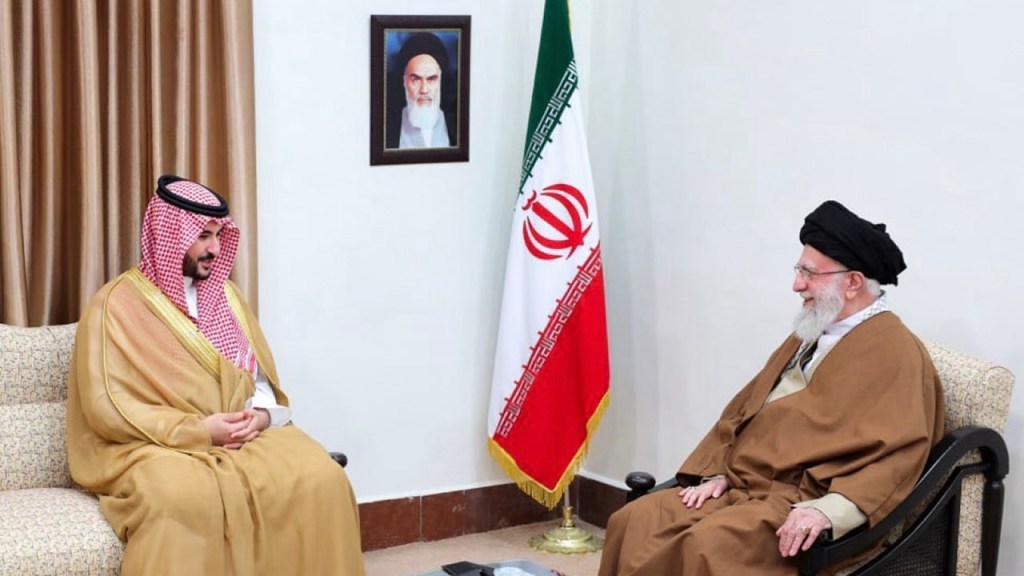
    In a high-stakes diplomatic maneuver, Saudi Arabia recently dispatched Defense Minister Prince Khalid bin Salman to Tehran with an urgent and confidential message: Iran should take U.S. President Donald Trump’s offer to negotiate a nuclear agreement seriously or risk a regional conflict involving Israel.

    The meeting, held on April 17 in Tehran’s presidential compound, included key Iranian figures such as President Masoud Pezeshkian, Armed Forces Chief of Staff Mohammad Bagheri, and Foreign Minister Abbas Araqchi. The visit marked the first by a senior Saudi royal to Iran in over 20 years and underscored the gravity of the message being delivered. King Salman bin Abdulaziz, deeply concerned about regional stability, personally tasked his son with urging Iranian leadership to act swiftly, cautioning that Trump’s tolerance for protracted negotiations was limited.

    This Saudi initiative came shortly after Trump publicly confirmed ongoing nuclear talks with Tehran, despite being flanked at the time by Israeli Prime Minister Benjamin Netanyahu, who had sought American backing for a military campaign against Iranian nuclear sites. Trump’s announcement unsettled Israel but suggested the U.S. administration saw a diplomatic route as still viable—if not urgently necessary.

    Against the backdrop of intensifying unrest in Gaza and Lebanon and with Iran’s regional allies facing repeated setbacks, Saudi Arabia framed its warning within a broader regional calculus. Prince Khalid stressed to Iranian officials that a diplomatic solution was preferable to escalating military action, which could further destabilize the Middle East and directly threaten Saudi Arabia’s Vision 2030 economic transformation agenda.

    According to multiple Gulf and Iranian sources familiar with the closed-door discussions, Iranian leaders signaled a desire for a deal—primarily as a way to ease the crushing economic burden of Western sanctions. However, they expressed deep skepticism about Trump’s erratic negotiation style. Tehran remains wary of U.S. demands that swing unpredictably between allowing some uranium enrichment and insisting on a full dismantling of its nuclear infrastructure.

    President Pezeshkian reportedly reiterated Iran’s interest in a negotiated outcome but emphasized that Tehran would not abandon its enrichment rights solely to appease American demands. Iranian negotiators remain engaged in indirect talks with Washington, having already participated in five rounds aimed at resolving the decades-long nuclear standoff. A tentative offer was floated—where Iran might pause uranium enrichment in exchange for access to frozen assets and recognition of its right to civilian nuclear activity—but Iranian state media later denied such a deal was under consideration.

    This shift in regional dynamics reflects a larger transformation. Over the past two years, Iran’s influence has eroded sharply. Its proxies, including Hamas and Hezbollah, have suffered significant losses. Its once-firm grip on the Assad regime in Syria has eroded with his ousting and the country’s uncertain change of leadership. These losses, combined with sustained economic sanctions, have left Tehran more diplomatically vulnerable than at any point in the last decade.

    Sensing this vulnerability, Riyadh has attempted to reposition itself as a pragmatic power broker rather than a belligerent adversary. Prince Khalid’s visit followed a 2023 Chinese-brokered détente that restored diplomatic ties between Iran and Saudi Arabia after years of proxy conflict and mutual suspicion. While the thaw has allowed for increased diplomatic dialogue, mutual distrust remains entrenched.

    During the meeting in Tehran, Prince Khalid conveyed Riyadh’s willingness to avoid military confrontation. He even offered assurances that Saudi airspace or territory would not be used for any Israeli or U.S. military strikes against Iran. However, he also made clear that continued aggression by Iranian proxies, such as the Houthis in Yemen, could prompt harsh retaliatory measures—not necessarily from Saudi Arabia, but from Washington or Tel Aviv.

    Trump’s approach to Iran has been marked by volatility and public pressure campaigns, blending threats of military force with sudden openness to talks. His recent visit to the Gulf region last month not only reaffirmed Saudi Arabia’s leadership role among Sunni states but also further isolated Iran’s Shi’ite alliances. As Trump worked to strengthen ties with new Sunni leaders, such as Syria’s Ahmed al-Sharaa, he simultaneously warned Netanyahu not to undermine the nuclear negotiations.

    White House officials have maintained a hard line, insisting that Trump’s posture is forcing all actors—friends and foes alike—to take his red lines seriously. Yet, this hardline stance has injected uncertainty into diplomatic efforts. With time-sensitive discussions still underway, the possibility of diplomacy giving way to confrontation remains a real and looming risk.

    Analysis:

    Saudi Arabia’s bold move to warn Iran directly marks a significant departure from past strategy, one traditionally marked by back-channel maneuvering and proxy confrontation. This suggests a growing recognition in Riyadh that direct diplomacy—though risky—is now essential to avoid conflict that could derail its economic modernization efforts and overall regional stability.

    Iran, despite its public defiance, appears cornered. Militarily weakened, economically battered, and diplomatically isolated, it faces limited options. However, deep mistrust of Trump’s consistency and the U.S.’s historical record on Middle Eastern commitments complicates Tehran’s decision-making calculus.

    For the broader region, this may be a rare inflection point. The Saudi message to Iran underscores a shared understanding—even among rivals—that any further escalation could ignite a chain reaction too catastrophic for anyone to control.

    Whether Trump’s high-stakes nuclear deal gamble results in a breakthrough or a breakdown will depend not just on Iran’s willingness to compromise, but on the consistency of U.S. policy and Israel’s willingness to stand down.

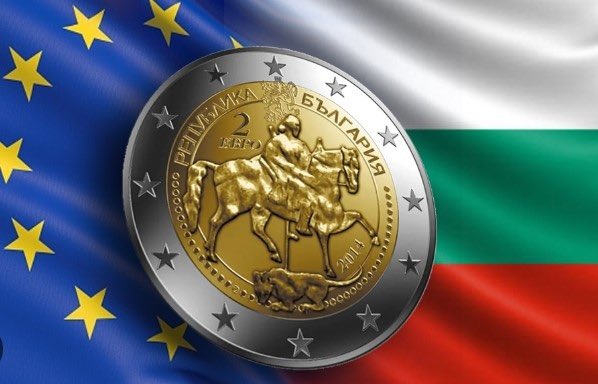
  • Bulgaria Set to Adopt the Euro in 2026

    6/7 – International Economic News & Monetary Analysis

    Bulgaria is poised to become the 21st member of the eurozone on January 1, 2026. The European Commission and European Central Bank (ECB) have formally approved the country’s accession, recognizing its efforts to meet stringent convergence criteria after years of setbacks. At surface level, this move aims at strengthening Bulgaria’s institutional integration into the European Union at a moment of heightened geopolitical tension on the EU’s eastern border.

    Bulgaria first committed to joining the eurozone when it became an EU member in 2007. Since then, progress has been delayed by political instability, inflation volatility, and persistent concerns over corruption and governance. Now, after nearly two decades of preparation and fiscal reform, the European Commission confirmed that Bulgaria has met all economic requirements—most notably curbing inflation, which fell to an average of 2.7% over the 12 months ending in April. Despite a temporary spike to 4% earlier this year following the removal of pandemic-era support and VAT changes, EU officials have deemed the inflationary impact as short-lived.

    The country also boasts one of the EU’s lowest public debt levels, at just 24.1% of GDP, well below the 60% threshold mandated for euro adoption. Its labor market is praised for being flexible and efficient, and its currency—the lev—has long been pegged to the euro, smoothing the eventual transition.

    For EU leaders, Bulgaria’s accession sends a strong message about the bloc’s resilience and cohesion, especially in the face of external pressures from Russia and internal populist currents. “Joining the euro area is the best investment Bulgaria can make in its future,” said European Commission Vice President Valdis Dombrovskis, highlighting the benefits of macroeconomic stability, investor confidence, and increased access to cheaper credit.

    Bulgaria’s eurozone accession comes at a strategically sensitive time. With Russia’s ongoing war in Ukraine and intensifying efforts to reassert influence over Eastern Europe, euro adoption binds Bulgaria more firmly to the EU’s political and financial institutions. It also provides the Balkan nation with additional protection in times of economic shocks—offering currency stability, access to European Central Bank mechanisms, and increased credibility with international investors.

    Prime Minister Rosen Zhelyazkov celebrated the milestone as a culmination of years of “strict fiscal discipline” and a key marker of Bulgaria’s European identity. Bulgaria will now gain a seat on the ECB’s Governing Council, giving it an albeit small but present voice in eurozone monetary policy—a significant shift for a country long on the periphery of the EU’s decision-making core.

    Yet, the decision is definitely not without its critics. Some observers have warned that the move may strain Bulgaria’s competitiveness if not supported by long-term structural reforms. The ECB’s own report advised that Bulgaria must adopt policies to prevent excessive credit growth, avoid macroeconomic imbalances, and ensure that wage growth stays aligned with productivity to maintain its attractiveness to foreign investors.

    Public Skepticism and Populist Backlash

    While the government and Brussels celebrate the euro’s arrival, the Bulgarian public remains deeply divided. A recent Eurobarometer poll showed that 50% of Bulgarians oppose joining the euro—up from 46% just a few months earlier. Many citizens, especially pensioners and low-income earners in rural areas, fear the change will bring inflation, higher prices, and reduced purchasing power.

    Protests against euro adoption have erupted across the country. Thousands rallied in Sofia, led by the far-right pro-Russian Revival Party, chanting slogans like “No to Euro Colonialism.” Their concerns mirror those seen in other countries that adopted the euro, where some merchants exploited the transition to raise prices during the conversion period. These fears are compounded in Bulgaria, where trust in public institutions remains fragile due to a prolonged period of political instability.

    Bulgaria has held seven national elections in just four years, with a string of short-lived coalition governments unable to maintain lasting momentum on reforms. President Rumen Radev, who holds an independent mandate, has proposed a referendum on euro membership—a move government officials have condemned as sabotage.

    Governance and Rule of Law Concerns

    Beyond economic data, Bulgaria still faces serious institutional challenges. The country remains under scrutiny for its weak rule of law, political corruption, and ineffective public administration. It has yet to establish a strong track record in prosecuting high-level corruption cases, and the latest EU rule-of-law report criticized the independence of several regulatory agencies.

    Adding to these concerns, Bulgaria remains on the Financial Action Task Force’s (FATF) “gray list” for inadequate money laundering controls—placing it alongside nations like Syria, Venezuela, and Yemen. Although this designation does not directly affect eurozone eligibility, it underscores the importance of continued reform. The ECB has called on Bulgaria to make further progress in strengthening its anti-money laundering framework and counter-terrorism financing efforts.

    A Transition Still Fraught with Challenges

    Finance Minister Temenuzhka Petkova has acknowledged the risks of price manipulation and promised strict monitoring of merchant behavior during the switchover. Efforts are underway to educate the public, including dual price displays in shops and a planned information campaign to ease the transition.

    Central bank governor Dimitar Radev emphasized that the technical infrastructure for the euro adoption is largely in place. What remains, he noted, is bringing public perception and trust in line with institutional readiness.

    For now, Bulgaria remains the EU’s poorest member by income. With an average monthly salary of just over €1,400, the transition to the euro will be closely watched by citizens who already feel economically vulnerable. While business leaders, such as hotel owners in tourist hubs like the Black Sea and numerous ski resorts throughout the mountains, welcome the expected boost in investment and tourism, everyday Bulgarians remain wary.

    Analysis:

    Bulgaria’s accession to the eurozone represents more than a currency change—it’s a bold step toward deeper EU integration at a time when the continent is being tested by war, populism, and economic uncertainty. For Brussels, it symbolizes a vote of continued confidence in the European project. For Sofia, it marks the culmination of a decade-long quest for legitimacy, modernization, and financial stability.

    Yet, success is not guaranteed. The euro will not resolve Bulgaria’s deep-rooted problems of governance, inequality, or institutional weakness. In fact, if the transition leads to economic disruption or rising prices, it may only deepen public disillusionment with the EU.

    The challenge now for Bulgarian leaders is twofold: first, to deliver a smooth, transparent conversion that safeguards citizens from inflation and financial abuse; and second, to continue the institutional reforms necessary to earn the public’s trust and prove that euro adoption is more than just a symbolic gesture.

    For Europe, Bulgaria’s move is a reminder that enlargement and integration are ongoing processes—ones that require not just economic metrics, but political will, societal resilience, and credible governance. Whether this moment marks a turning point for Bulgaria or just another phase in its turbulent political journey will depend on how leaders manage the opportunities—and the risks—of this historic transition.

  • Can Russia Even Halt Its War Machine?

    6/6 – Economic & Geopolitical Analysis Piece

    As the Ukraine war grinds on and ceasefire prospects flutter, President Vladimir Putin’s unwillingness to engage seriously with peace proposals—most notably from U.S. President Donald Trump—can be traced not only to territorial ambitions, but to the very structure of Russia’s wartime economy. Despite diplomatic overtures from Trump, who has grown visibly irritated by the lack of progress, Russia continues to push westward on the battlefield, showing little interest in negotiations that would bring the conflict to a close. The consequences of Russia’s militarized growth model, and the uncertainty surrounding its potential demobilization, point to a broader geopolitical standoff with implications that extend well beyond Ukraine.

    A War-Fueled Economic Revival

    After failing to capture Kyiv in the war’s early months, Putin reshaped Russia’s economy into one singularly geared for prolonged military engagement. Defense spending surged, and state-run factories were retooled to run around the clock, churning out tanks, howitzers, and ammunition in record numbers. The Kremlin offered bonuses equaling up to a year’s salary to entice new recruits. At one point, more than a thousand Russians were signing up each day, revitalizing an army battered by early losses.

    This militarized economy not only stabilized the war effort but became a new engine for Russian growth. Defense plants provided steady employment in economically depressed regions, raised wages to outcompete enlistment bonuses, and fueled consumer spending in provincial towns far removed from Moscow and St. Petersburg. The war economy created a level of economic redistribution not seen since the fall of the Soviet Union.

    But this rapid mobilization also made Russia more dependent on the war’s continuation. Entire sectors of the economy—defense manufacturing, logistics, and raw materials—have become so deeply intertwined with military procurement that scaling them back could unleash widespread unemployment and social discontent. Experts warn that even if Putin were inclined to end the war, dismantling the military-industrial machine he has built would be an enormous economic and political challenge.

    Over the past month, Russia has captured more than 100 square miles of Ukrainian territory, signaling a shift in battlefield momentum after a period of stalemate. These gains have bolstered Putin’s confidence, giving him leverage to delay or dismiss peace talks without fear of losing ground. Despite mounting pressure from European leaders and repeated appeals from Trump, Russia has not meaningfully engaged in negotiations.

    According to regional analysts, Putin’s preference to “slow-walk” any peace process reflects a belief that time is on his side—militarily, economically, and diplomatically. His success on the battlefield allows him to maintain the perception of strength at home while avoiding the domestic turbulence that a sudden military drawdown could trigger.

    The stakes are higher than ever for the Kremlin. Peace would not only halt the territorial advance but also necessitate the demobilization of hundreds of thousands of soldiers—many of whom joined under short-term contracts and may have few opportunities in civilian life. In a country where economic growth outside the defense sector has stagnated, this transition could be volatile.

    Trump’s Waning Patience

    President Trump, once praised for his willingness to maintain a working relationship with Putin, has become increasingly vocal about the Russian leader’s refusal to cooperate. In recent public statements and social media posts, Trump expressed frustration with the rising death toll and the stalemate in negotiations. He has described Putin as “out of control” and indicated that the Russian president’s continued aggression could no longer be excused under the guise of strategic patience.

    Trump’s failure to broker a deal so far has complicated his broader Middle East and European strategies. His peace overtures—framed as part of a wider effort to bring stability and reduce U.S. military entanglements—have been undermined by Putin’s stonewalling and by growing instability in other regions. While Trump remains committed to ending the Ukraine conflict, the tools available to him are limited, and domestic political backlash against his past affinity for Putin is starting to mount.

    Russia’s Neighbors on Edge

    As Russia’s military continues to advance, fears are growing in neighboring countries that the Kremlin’s ambitions may not stop in Ukraine. In Estonia, military officials are openly discussing contingency plans for a potential conflict on NATO soil. In Kazakhstan, analysts watch closely for signs that Russia might assert influence over the northern regions, home to significant ethnic Russian populations.

    This regional anxiety is fueled by historical precedent. After World War II, Soviet authorities feared their own demobilized veterans and, under Stalin, often sent them to labor camps to neutralize any potential domestic unrest. Today’s Kremlin faces a similar conundrum: returning tens of thousands of war-hardened soldiers to an economy unable to absorb them could destabilize the regime.

    For many in the region, the continued operation of Russia’s war machine raises the unsettling possibility that peace in Ukraine might simply redirect Russian military focus elsewhere.

    A Fragile Economic Balancing Act

    Analysts argue that the very success of Russia’s war economy now makes peace less economically feasible. The arms industry, having received billions in state support, has little incentive to scale down. Entire towns and regions depend on factory work linked to the defense sector. Demilitarization would likely result in job losses, wage cuts, and economic contraction in areas already vulnerable to social unrest.

    Efforts to compensate by expanding arms exports have met with limited success. Russia, once the world’s second-largest weapons exporter, has lost ground in Asia and Africa, where customers increasingly seek higher-quality Western or Chinese alternatives. Moreover, many of Russia’s previous clients depend on loans and favorable credit terms—tools the Kremlin can no longer offer with the same flexibility due to sanctions and internal fiscal constraints.

    Unlike the U.S. post-World War II, whose military innovations fueled civilian technologies like the internet, Russia’s war-driven growth has little spillover into the broader economy. Civilian sectors are suffering from labor shortages as workers flock to military and factory jobs. Inflation is rising on basic goods like food, with shortages reported in various sectors.

    With oil prices also in decline, the sustainability of Russia’s economic model is under threat. While the defense sector remains artificially buoyant through government spending, the longer-term outlook is grim without structural reform or a pivot to peacetime production.

    The Political Risk of Demobilization

    The Kremlin’s challenge isn’t merely logistical or economic—it’s deeply political. The influx of short-term military contracts, large signing bonuses, and wartime mobilization has altered the social contract in many parts of Russia. If peace arrives, the state will face enormous pressure to either absorb these soldiers into civilian jobs or maintain their incomes—both costly and complex tasks.

    A poorly managed demobilization risks unrest. Armed men returning to civilian life with reduced incomes, few prospects, and psychological trauma represent a volatile group. Historical analogies to the post-WWII Soviet Union offer a grim reminder of how governments once dealt with such populations through repression and exile.

    The Kremlin today, while authoritarian, is more sensitive to public sentiment than its Soviet predecessor. Analysts believe Putin is aware of the risks. He faces a delicate balancing act: sustain a costly war indefinitely, or manage an equally perilous return to peace.

    Putin’s hesitance to end the Ukraine war is not merely about geopolitical objectives or historical grievances—it is rooted in the very fabric of Russia’s wartime economy. The defense industry now underpins employment, regional stability, and economic growth. Demobilization, even if politically desired, would be economically painful and socially destabilizing.

    President Trump’s peace efforts, while persistent, clash with the hard realities of Russia’s internal incentives. Without a clear path for economic transition or a strategy for post-war reintegration, Moscow has little reason to abandon a conflict that currently sustains its domestic order.

    But this is a dangerous calculus. The longer Russia depends on war as a source of growth and unity, the harder it will be to pivot back to peace. And for neighboring states and global powers alike, the implications of a permanently militarized Russia may prove far more destabilizing than the conflict in Ukraine itself.

    The world now watches not just for signs of battlefield change, but for a glimpse of how—or if—Putin plans to stop the machine he has built.

  • Ukraine’s Secret Strike Against Russia’s Strategic Bombers

    6/5 – Geopolitical Warfare Analysis

    On June 1, 2025, Ukraine executed a coordinated, long-range drone strike operation deep inside Russian territory, known as Operation Spider Web. This action resulted in the reported destruction or disabling of approximately 20 aircrafts within Russia’s strategic bomber fleet, including key platforms such as the Tu-95 and Tu-22M3, along with support assets like the A-50 airborne early warning system. This was not a singular tactical success, but rather a significant strategic event with far-reaching implications for regional security, deterrence dynamics, and the future conduct of modern warfare.

    The operation was reportedly the product of more than a year of planning by Ukraine’s Security Service (SBU). The drones, assembled from commercially available components, were smuggled into Russia and deployed from within the country, thereby bypassing traditional air defenses. Crucially, the drones functioned without satellite navigation, relying instead on inertial and visual guidance systems making them resilient to electronic jamming and effectively invisible to conventional counter-UAV systems. Their targets—five airbases, including those in the Siberian interior housed aircraft critical to Russia’s long-range nuclear deterrent. Ukraine’s drones managed to damage over 20 key aircraft and completely destroyed around 10. Some of these include Russia’s nuclear-capable bombers, representing a setback of both operational and symbolic magnitude for the Russian military establishment.

    The operational implications of this event are manifold. First, the degradation of Russia’s long-range bomber fleet alters the structure and balance of its nuclear triad. These platforms play a dual role in both strategic signaling and actual warfighting capability. While Russia maintains a large arsenal of intercontinental ballistic missiles and submarine-launched systems, the bomber leg of the triad offers unique flexibility. Its partial neutralization may influence Russia’s military doctrine, especially with regard to first-use scenarios or escalatory deterrence strategies.

    Second, the operation reaffirms the transformative impact of asymmetric warfare. Ukraine has demonstrated that with sufficient innovation and determination, relatively low-cost, low-signature technologies can inflict outsized damage on a technologically superior adversary. This development compels a reevaluation of how strategic airpower can be protected, particularly in non-forward areas once considered secure by geography and distance. Traditional air defense systems designed to counter high-altitude or high-speed threats appear ill-suited to detect or interdict dispersed, ground-launched micro-drone swarms.

    Third, the psychological and political effects of the operation are not to be underestimated. The image of strategic bombers destroyed while parked in hardened air bases across the Russian interior has been widely circulated, with implications for both domestic morale in Russia and broader perceptions of Russian military competence. The strike demonstrates not just a tactical lapse but a systemic vulnerability, and one that may shape the Kremlin’s strategic posture in the months to come.

    In addition to military considerations, Operation Spider Web also poses questions for diplomacy and crisis stability. The attack occurred in the run-up to renewed negotiations in Istanbul, and undeniably raises the temperature of the war. Any action that affects nuclear-capable systems carries inherent escalation risks. Whether Russia perceives this as a red-line crossing or not will depend on its reading of Ukrainian intent and international response, particularly from NATO and other key actors.

    Ukraine’s Operation Spider Web constitutes a key moment in the Russia-Ukraine conflict. It reflects the growing importance of unconventional warfare and highlights vulnerabilities in even the most hardened defense postures. While the tactical brilliance of the strike is evident, its long-term significance will depend on how both sides, and the international community, adapt to the new realities it reveals. For policymakers, the imperative is to anticipate rather than react, to innovate rather than fortify, and to recognize that the strategic balance in modern conflict is no longer measured solely in megatons or battalions, but also in code, circuitry, and creativity.

  • Russia Outlines Hardening Demands For Peace Amid Escalation With Ukraine

    6/4 – International News & Geopolitical Analysis

    Russian President Vladimir Putin’s latest demands in the ongoing peace talks reflect a hardened stance that underscores Russia’s belief in negotiating from a position of strength. According to Russian sources familiar with the process, Moscow is insisting on a written commitment from the West that NATO will halt its eastward expansion, particularly barring future membership for Ukraine, Georgia, and Moldova. These demands also include partial sanctions relief, the return of frozen Russian assets held abroad, a legally binding commitment to Ukrainian neutrality, and explicit protections for Russian-speaking populations in Ukraine.

    These positions are now formally articulated in a draft peace memorandum still being developed by the Kremlin. President Donald Trump, who has been at the forefront of trying to broker a ceasefire, has expressed increasing frustration over Putin’s unwillingness to accept a ceasefire proposal despite growing battlefield gains. Trump warned that Russia’s continued military escalation and reluctance to engage in compromise are raising the stakes and undermining the credibility of any peace initiative.

    Since the war’s outbreak, Russia has entrenched its presence across nearly 20% of Ukrainian territory, including extensive control in the Donetsk and Luhansk regions, and large swathes of Zaporizhzhia and Kherson. These territorial acquisitions now serve as the basis of Moscow’s negotiating position. Insiders suggest that any suggestion of withdrawal is seen by the Kremlin as a show of weakness and a political impossibility, especially with the war machine now deeply embedded into Russia’s economy.

    Economic pressure continues to mount. Oil revenues are falling, labor shortages are growing due to conscription and migration, and interest rates remain high. However, the Kremlin believes these strains are manageable. Putin’s administration is wagering that continued fighting will not only yield further territorial leverage but also force Western actors to rethink their support for Ukraine amid political fatigue and internal divisions.

    The NATO dilemma remains central. Moscow’s demand to halt NATO expansion is based on longstanding grievances dating back to the collapse of the Soviet Union. Russia claims the West broke verbal promises not to move NATO closer to its borders—a narrative it uses to justify preemptive military actions. Ukraine, with its NATO ambitions enshrined in its constitution, remains defiant, asserting its sovereign right to choose its alliances. Western governments broadly support this position, although Trump has voiced skepticism, suggesting Ukraine’s NATO aspirations were a provocation.

    Peace negotiations continue under Trump’s dual-pressure strategy: combining diplomacy with the threat of increased sanctions. Trump has recently ramped up rhetoric against Putin, calling him “absolutely crazy” after a spate of Russian bombings on Ukrainian cities. While the U.S. has not formally altered its NATO policy, Trump’s openness to Russian red lines has unnerved traditional European allies and raised questions about the future direction of American foreign policy.

    The current military landscape plays heavily into the diplomatic calculus. Russia’s belief that time is on its side fuels its unwillingness to concede ground, while Ukraine’s strategy focuses on undermining Russia’s sense of security far beyond the front lines.

    On June 1st, Ukraine executed its most ambitious long-range drone strike of the war, targeting multiple Russian airbases over 4,000 kilometers from the battlefield. The operation, dubbed “Spider’s Web,” used drones concealed within modified wooden sheds mounted on trucks, which were transported near strategic airfields. Upon arrival, the roofs were remotely opened, launching 117 drones that damaged or destroyed dozens of Russian aircraft, including Tu-22M and Tu-95 strategic bombers.

    Ukrainian intelligence reports estimate the damages at $7 billion, with a third of Russia’s cruise missile delivery aircraft incapacitated. President Zelensky, who oversaw the operation along with the SBU intelligence chief, described it as a monumental success, representing Ukraine’s furthest-reaching strike to date and proving its capacity for innovative and precise retaliation.

    These attacks, combined with Kyiv’s refusal to accept any territorial concessions, highlight a war that has moved far beyond trench warfare into a full-spectrum geopolitical and technological contest. Ukraine’s deep strike shattered assumptions about Russian strategic depth and highlighted vulnerabilities that may alter future defense allocations and operational planning.

    Meanwhile, peace talks in Istanbul have produced no breakthrough. Ukraine’s counter-memorandum to Russia’s demands calls for an immediate 30-day unconditional ceasefire but firmly rejects any recognition of Russia’s territorial claims, the abandonment of NATO ambitions, or the downsizing of its armed forces. Instead, Kyiv is demanding robust security guarantees, the return of displaced citizens, and reparations mechanisms—conditions that directly contradict Russian red lines.

    Moscow’s conditions extend to banning foreign military presence in Ukraine, legalizing the use of the Russian language as co-official, and ending what it calls the glorification of neo-Nazism. Western analysts see these as ideologically motivated rather than pragmatically necessary, reflective of Putin’s original justifications for the invasion.

    Some believe the Kremlin’s unwavering terms are a way to lock in its maximalist goals while painting Kyiv as the party unwilling to compromise. Others speculate that Putin is unsure how to demobilize the vast military and defense infrastructure without risking social unrest, especially as military wages and production have buoyed Russia’s wartime economy.

    Analysis:

    The combined military and diplomatic developments paint a complex and sobering picture of where the war and peace process currently stand. Putin’s reliance on military leverage to shape diplomacy reflects a worldview steeped in zero-sum geopolitics, where concessions are seen not as peacemaking but as capitulation. At the same time, Ukraine’s increasingly creative operations demonstrate that asymmetric tactics can destabilize even the most formidable conventional forces.

    Yet innovation alone cannot end the war. As Ukraine proves its strategic reach, Moscow doubles down on rigid conditions, hoping to extract political victories to match its territorial claims. The peace process, therefore, appears less like a negotiation and more like a political and psychological standoff, with each side seeking to break the other’s resolve.

    If peace emerges on Moscow’s terms, the global balance of power may tilt toward a multipolar order dominated by spheres of influence rather than shared norms. Should the West reject these demands outright, it risks a prolonged war with rising costs.

    Ultimately, the battlefield may dictate diplomacy—but only up to a point. As both Trump and Putin navigate this geopolitical labyrinth, the stakes are not just for Ukraine’s sovereignty, but for the future of the international system itself.

  • Geopolitics Strategy Brief

    June 2, 2025 – International News & Security Analysis

    Precision Strikes and Power Shifts – Ukraine Challenges Russia’s Strategic Edge

    In a bold escalation with strategic ramifications, Ukraine has successfully targeted multiple Russian long-range bomber bases deep within Russian territory, dealing a significant blow to Moscow’s military capabilities. The drone strikes, which damaged or destroyed a substantial number of Soviet-era Tupolev bombers and a rare airborne command-and-control aircraft, signal not only a tactical success but also a strategic disruption. These aircraft were vital to Russia’s campaign against Ukraine and central to its nuclear deterrence architecture. Given that Russia no longer manufactures many of these aging platforms and has no near-term replacements, the losses are a serious degradation of its long-range strike capabilities.

    The attacks also upended Russia’s traditional posture of military invulnerability within its own borders. Ukraine’s ability to strike as far as 3,000 miles from Kyiv underscores a major evolution in asymmetric warfare and intelligence operations. These capabilities, developed in part with Western support, have forced Moscow to relocate key military assets and rethink defensive strategies, all while exposing limitations in Russia’s expansive air-defense network. The fact that the strikes originated from within Russia has heightened internal insecurity and is likely to trigger further repression and security service reshuffles in the Kremlin.

    These developments arrive as peace talks remain stalled. While Ukraine’s show of strength has not yet translated into diplomatic breakthroughs, it may force Russia to reconsider its long-term military posture and diplomatic calculus. With Moscow’s strategic bomber fleet weakened and its deterrence credibility challenged, Ukraine’s drone campaign represents a paradigm shift in the war — from defending territory to reshaping the battlefield’s strategic balance. The implications stretch far beyond the frontlines, pressing Western policymakers to reassess deterrence, escalation, and long-term security guarantees in Europe.

    The High-Stakes Dance of Russia-Ukraine Ceasefire Talks

    On Monday, Russia and Ukraine met for the second round of peace talks in Istanbul, under pressure from international actors, including President Trump. These negotiations, which lasted less than two hours, were not expected to yield major breakthroughs. The talks followed a pattern of earlier exchanges, with both sides presenting their conditions for a ceasefire, though neither side anticipated agreeing to the other’s terms. The larger context of these talks stems from the devastating war between Russia and Ukraine, which began in February 2022, and has inflicted widespread destruction and economic hardship.

    At the heart of the discussions, Ukraine seeks an immediate ceasefire as a precursor to broader peace talks, while Russia, confident in its battlefield position, insists on major concessions from Ukraine and the West. Russia’s demands include territorial control over Ukrainian land and military restrictions, while Ukraine refuses to accept any military limitations and continues to reject Russian territorial claims. The ongoing negotiations are complicated by geopolitical maneuvering, with Russia hoping to leverage the potential for improved relations with the U.S. under Trump, who has vacillated between urging and criticizing both sides in the conflict.

    The latest round of talks follows an earlier agreement to swap prisoners, but no progress has been made toward a ceasefire, which Ukraine views as essential to halting the conflict. Despite the diplomatic talks, military engagements have escalated, with Russia launching offensives and intensifying air attacks on Ukrainian cities. Ukraine, however, has adapted, using drones to strike targets deep within Russian territory. With tensions high and no clear resolution in sight, the situation remains volatile, underscoring the difficulty of securing lasting peace in this devastating conflict.

    Stalemate in Gaza: Cease-Fire Talks Stall Over Old Divides

    Negotiations for a cease-fire in Gaza have stalled yet again, highlighting a long-standing impasse between Hamas and Israel that has persisted through nearly 20 months of conflict. Despite various international mediators, including representatives from the Biden and Trump administrations, efforts to broker a lasting truce have failed due to one key dispute: Hamas demands a permanent cease-fire that would secure its influence in Gaza, while Israel seeks only a temporary deal to renew its military efforts against Hamas.

    Recently, after a push from Trump-appointed negotiator Steve Witkoff, Hamas demanded a new cease-fire clause that would allow for indefinite extensions, undermining Israeli hopes of eventually resuming military action. In response, Israeli Prime Minister Netanyahu rejected Hamas’s demands, calling them unacceptable. However, Egypt and Qatar, the primary Arab mediators, have pledged to continue efforts to overcome these obstacles, signaling that talks may resume if Hamas softens its position.

    At the heart of the dispute is Hamas’s insistence on a permanent truce and a full Israeli withdrawal from Gaza. Israel, on the other hand, has indicated a willingness to consider a permanent agreement if Hamas disarms, though the group has firmly rejected such conditions. As these talks falter, the humanitarian situation in Gaza worsens, with civilian casualties rising amid continued airstrikes, food shortages, and difficulties in aid distribution.

    Domestic factors on both sides may eventually force a resolution. In Gaza, internal dissent against Hamas could push the group toward a temporary truce, while in Israel, growing exhaustion among military reservists could hinder the country’s ability to maintain a prolonged military campaign. The future of the conflict remains uncertain, with significant pressure on both Hamas and Israel to negotiate a resolution before the situation becomes even more untenable.

    Taiwan on the Brink: U.S. Signals Growing Threat from China and the Fight for Regional Stability

    In a significant shift, U.S. Defense Secretary Pete Hegseth warned on May 31st that a Chinese invasion of Taiwan could be imminent, signaling a tougher stance from the Trump administration on the growing threat posed by China. At the Shangri-La Dialogue in Singapore, Hegseth highlighted China’s increasing military activity, particularly around Taiwan, and stated that any attempt to alter the status quo in the Indo-Pacific region would lead to devastating consequences. He emphasized that China’s military build-up and exercises were clear preparations for a possible assault on Taiwan by 2027, asserting that such an action would be unacceptable. While the U.S. had previously downplayed the immediacy of the threat, Hegseth’s comments suggest a recalibration of American policy to address the escalating tensions.

    However, there is significant uncertainty regarding the timing and scale of China’s plans. U.S. officials remain cautious, pointing out that while China has been conducting increasingly frequent military drills, there is no current intelligence suggesting an imminent invasion. Some experts have suggested that China might opt for a smaller, less dramatic move, such as blockading Taiwan or seizing outlying islands, as a precursor to a more significant conflict. Despite this, Hegseth’s warning was designed to reassure U.S. allies in Asia, particularly those concerned by the Trump administration’s earlier foreign policy shifts. However, there are doubts about the credibility of these reassurances, given the administration’s unpredictable behavior and inconsistent support for international alliances.

    The question of American intervention remains central to the debate. While President Trump has made strong statements against China’s actions, his past behavior—such as backing down from trade tariffs and making contradictory remarks about Taiwan—raises concerns about the U.S.’s willingness to confront China directly. Moreover, Hegseth’s recent embrace of U.S. allies contrasts with his earlier rhetoric dismissing their contributions, especially regarding European involvement in the Indo-Pacific. French President Emmanuel Macron, speaking at the same event, underscored the need for cooperation between European and Asian nations, while acknowledging Europe’s limited military capacity in such a conflict.

    In conclusion, while the Chinese threat to Taiwan is real and growing, the U.S. must navigate its policy with caution. It must ensure that its commitment to defending Taiwan is credible and backed by its allies, all while balancing the risks of a broader conflict. The road ahead requires a nuanced approach, integrating military deterrence with diplomatic efforts to maintain regional stability.