4/9 – Geopolitical News & Diplomacy Analysis
Less than two hours before his self-imposed Tuesday deadline expired, President Trump announced a two-week ceasefire with Iran, hailing it as a big day for World Peace. The deal, brokered through weeks of intensive Pakistani mediation and frantic overnight calls between Pakistan’s army chief, Vice President Vance, special envoy Steve Witkoff, and Iranian Foreign Minister Araghchi, was built on the framework of Iran’s 10-point counter-proposal, which Trump described as a workable basis on which to negotiate.
By Wednesday morning however, as Iranians gathered in Tehran’s Revolution Square to mark the agreement, Israel launched what it described as the largest wave of strikes on Lebanon since the start of the war. Within minutes, 100 targets across Beirut and southern Lebanon were hit. At least 200 people were killed and more than 1,100 wounded in a single day, many of them in densely populated residential neighborhoods struck with no warning. Lebanon declared a national day of mourning. An aid worker described total chaos in Beirut, with bombs falling on civilian areas indiscriminately.
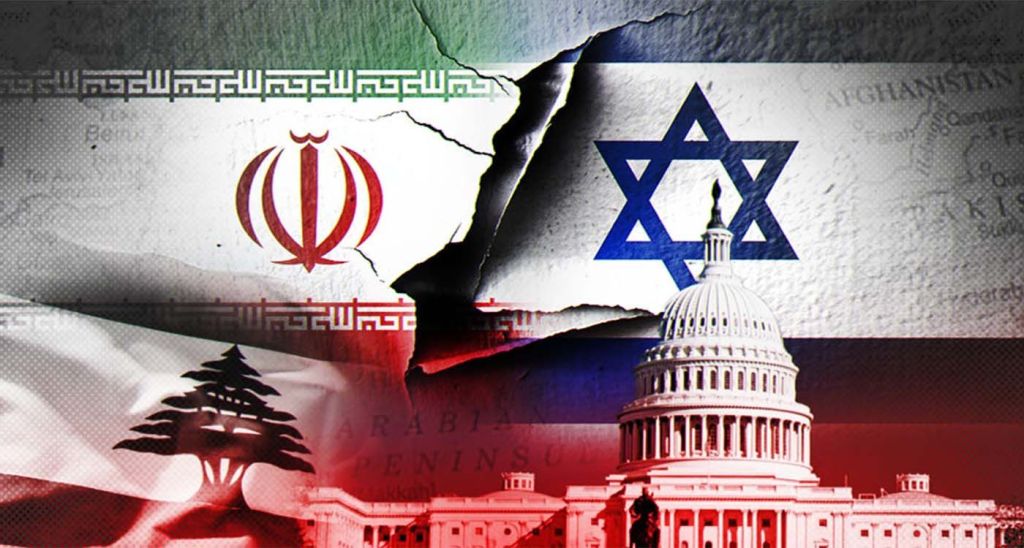
Israel’s justification was straightforward: Lebanon was not included in the ceasefire. U.S.officials ultimately backed that position. Pakistan’s prime minister, who had publicly stated the deal did include Lebanon, was left contradicted and furious, calling on all parties to exercise restraint. Iran’s IRGC responded by suspending tanker traffic through the Strait of Hormuz, citing Israeli violations of the ceasefire. By Thursday morning, maritime tracking data showed over 400 tankers still anchored in the Persian Gulf, with only three ships having transited the strait since the agreement was announced.
No official ceasefire text has been released publicly. Iran is operating on the basis of its 10-point plan, which includes full sanctions removal, compensation for war damages, a new legal regime governing Hormuz transit fees, and a halt to conflicts across the region, explicitly including Lebanon. The U.S. is operating on the basis that the deal covers direct U.S.-Iran hostilities only, with everything else to be negotiated during the two-week window. These are not compatible positions.
Iran’s foreign ministry has been clear that it considers Israeli strikes in Lebanon a violation of the framework it agreed to. Tehran was reportedly considering pulling out of the deal entirely on the first night, and Pakistani diplomatic intervention was needed through the night between April 8 and 9 to hold Iran back from retaliating against Israel. The IRGC has warned of a deeply regretful response if attacks on Lebanon continue. High-level U.S.-Iran talks are scheduled to begin Saturday in Islamabad, led by Vance, but Iran’s delegation is arriving in a climate of open grievance over what it considers a ceasefire already being broken.
The fundamental tension is that Iran agreed to stop fighting the United States. It did not agree to stop fighting Israel. And Israel did not agree to stop fighting anyone.
The scale of what happened to Beirut on Wednesday underscores what has been true for several weeks but is now impossible to ignore: Lebanon is not a sidebar to this conflict. It is central to whether any agreement holds. Iran has consistently stated that a ceasefire must cover all fronts, including Lebanon and Hezbollah. Israel has consistently stated it will not halt its campaign against Hezbollah regardless of what Washington and Tehran agree. The two positions are irreconcilable, and as long as both remain unchanged, every ceasefire between the U.S. and Iran will be undermined from the moment it takes effect.
More than 2,000 people have now been killed in Lebanon since Israeli military operations there began. Over a million people have been displaced. France, the EU, and a broad chorus of international officials have called for Lebanon to be included in the ceasefire and for Israel’s bombardment to stop. The International Committee of the Red Cross expressed outrage at strikes on densely populated urban areas. Pakistan’s mediation team, which spent weeks constructing this deal, has watched Israel publicly tear a hole in it within hours of it coming into force.
Analysis:
The ceasefire is a genuine achievement, but it is not yet a peace. It is a pause in one dimension of a multi-front war, and it will collapse entirely unless the dimension that is still burning is addressed. That means Lebanon. And addressing Lebanon means Trump telling Israel to stop.
This is the central political reality that the administration has so far refused to confront. Trump built the case for Operation Epic Fury around the idea that he was correcting decades of failure to deal with Iran decisively. He cannot now turn around and tell Benjamin Netanyahu to stand down in Lebanon without appearing to undermine the very logic of the campaign. Israel’s argument, that it is simply finishing what the war started in terms of dismantling Hezbollah’s military infrastructure, is one the U.S. has been unable or unwilling to push back on publicly.
But the math is becoming inescapable. Iran agreed to this ceasefire while facing the destruction of its military, its economy, and its infrastructure. It did so on the understanding, however imperfectly communicated, that the broader conflict would pause. If Israel continues bombing Beirut and Tehran concludes the deal was made in bad faith, the Strait stays closed. If the Strait stays closed, oil prices stay elevated. If oil prices stay elevated, Republican prospects in November deteriorate further. Trump’s political interests and the survival of the ceasefire point in exactly the same direction.
The Islamabad talks beginning Saturday are the next test. Iran will arrive with its 10-point framework and a grievance list that has grown by the day. Vance will arrive with a U.S. position that excludes Lebanon from the scope of the deal. Bridging that gap in two weeks, while Israel continues operations in Beirut, seems close to impossible.
The hard truth of this moment is that the U.S. has significant leverage over Israel that it has so far declined to use. American military hardware, intelligence support, and diplomatic cover are what make Israel’s campaigns in Lebanon and Iran viable. Until Trump pressures Netanyahu and gets Israel to halt its assault, the ceasefire will remain not more than empty words and further evidence to Tehran that the U.S. cannot be trusted to reign in its closest partner and an ultimate end to hostilities remains far-fetched.


Leave a Reply