4/7 – Geopolitical Updates & Analysis
Forty days into the U.S.-Israeli war on Iran, the closest thing to a diplomatic breakthrough arrived over the weekend in the form of a Pakistani-brokered proposal for a 45-day ceasefire, paired with a commitment to reopen the Strait of Hormuz and begin broader peace negotiations. Pakistan’s army chief spent the night in direct contact with U.S. Vice President JD Vance, special envoy Steve Witkoff, and Iranian Foreign Minister Abbas Araghchi, working to close the gap between the two sides.
Tehran rejected the proposal outright. Through state media and its foreign ministry, Iran made clear it will not accept a temporary ceasefire that it believes would simply give the U.S. and Israel time to regroup and resume the war at a more favorable moment. Instead, Iran put forward a ten-point counter-proposal demanding a permanent end to hostilities, full sanctions relief, compensation for war damages, guarantees against future attacks, a protocol for Hormuz transit fees, and a broader regional settlement that includes Lebanon. The Strait, Iran’s negotiators signaled, will reopen only when the damage caused by the war is compensated through a new legal regime.
The White House, for its part, confirmed the 45-day proposal was one of several ideas under discussion but that Trump had not signed off on it and that Operation Epic Fury was continuing.
Trump’s Deadline and the Threat of Mass Infrastructure Strikes
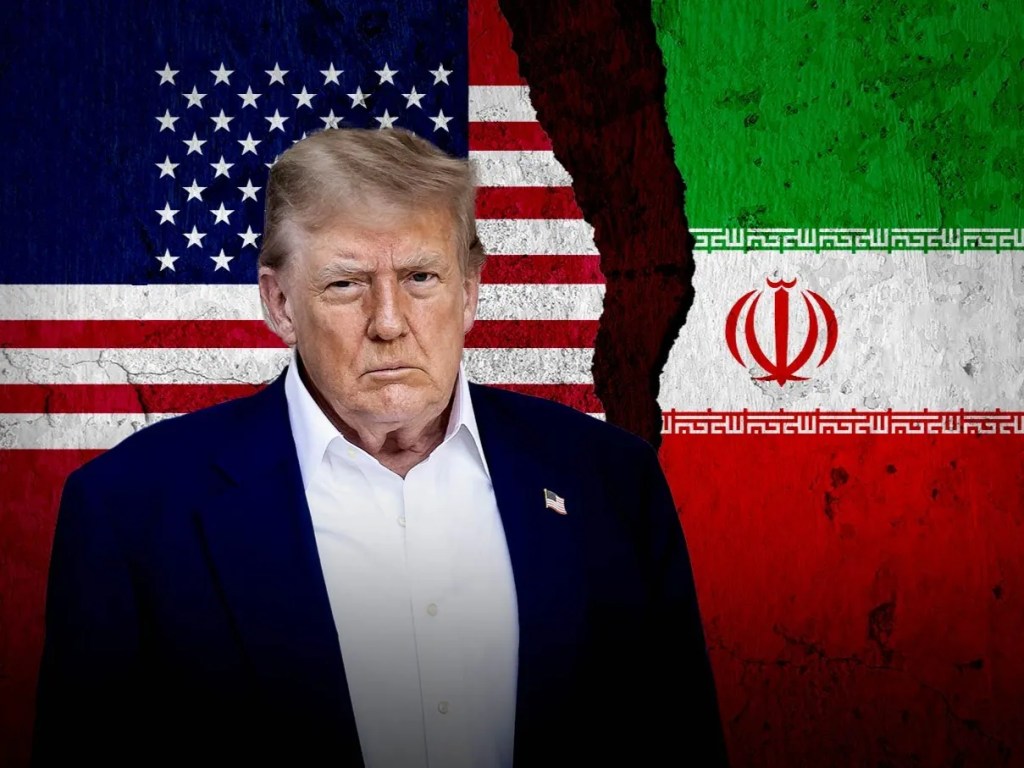
Trump set a hard deadline of 8 p.m. Tuesday Eastern time for Iran to agree to a deal and begin reopening the Strait, failing which he threatened strikes on every bridge and every power plant in Iran, describing the latter as burning and exploding, never to be used again. At a White House press conference on Monday, he added that the entire country could be taken out in one night, and that night might be tomorrow night. When asked whether targeting civilian infrastructure constituted a war crime, he dismissed the concern, calling Iran’s leaders animals and arguing that the real war crime would be allowing Iran to have nuclear weapons.
Trump simultaneously described Iran’s response to the ceasefire framework as a significant step, even if not good enough. The contradictions were, by now, familiar: maximum rhetorical pressure paired with signals that a deal remains possible. He said he was highly unlikely to postpone the deadline, while also noting that discussions were ongoing and that Iran appeared to be negotiating in good faith in some respects. Iran’s presidential spokesman called the ultimatum language a sign of sheer desperation.
As of Monday, 373 U.S. service members have been wounded in the operation. An Iranian drone strike on Ali Al Salem Air Base in Kuwait overnight injured 15 Americans. Iran’s central military command warned that any further attacks on civilian targets would trigger much more devastating and widespread retaliation.
The Diplomatic Triangle
The three-way mediation effort involving Pakistan, Egypt, and Turkey represents the most serious diplomatic track since the war began. Each party brings different leverage: Pakistan has a direct line to both Washington and Tehran and has been the most active interlocutor throughout. Egypt has longstanding ties with the Gulf states bearing the brunt of Iranian retaliation. Turkey sits at the intersection of NATO membership and genuine relationships with Iran. The fact that all three are now working in concert, and that Pakistan’s army chief is conducting overnight calls at the highest level, suggests the ceasefire push is being treated with real urgency.
The gap between the two sides is narrower than the public rhetoric suggests, but it is still substantive. The U.S. wants a temporary pause that creates space for negotiations, with Hormuz reopened quickly to relieve energy market pressure before the November midterms. Iran wants a permanent commitment before it gives up its most effective lever. The 45-day framework was designed to split that difference, but Iran’s insistence on guarantees against future attack makes the temporary framing unworkable unless Washington provides something more binding than a pause.
The UAE, which has been absorbing Iranian strikes while hosting U.S. forces, publicly stated that any settlement must guarantee ongoing access through Hormuz. Gulf states are watching the deadline closely, aware that a U.S. strike on Iranian power plants could trigger a wave of Iranian retaliation against their own energy infrastructure far worse than what they have already endured.
Analysis:
The next 24 hours are the most consequential of the war so far. Three outcomes are plausible. First, Iran makes a last-minute concession on Hormuz in exchange for a U.S. commitment to permanent negotiations, the deadline passes without a mass infrastructure strike, and both sides declare a fragile win. Second, the deadline passes with no deal and Trump follows through, triggering an Iranian retaliation that escalates the conflict into its most destructive phase yet. Third, the deadline passes, Trump extends it again, and the cycle of ultimatums and deferral continues for another week.
The third outcome has been the pattern so far. But the political cost of another extension is rising. Trump’s approval rating is at a second-term low, gas prices are above $4 nationally, and even some Republicans are beginning to publicly question the trajectory. Another empty deadline would further erode whatever credibility the threats carry, and Iran’s negotiators know it.
Iran’s counter-proposal is not entirely unreasonable as an opening position. Demanding permanent security guarantees before opening a chokehold that is your only real leverage is rational statecraft, not irrationality. The problem is that what Iran is asking for, a permanent end to the war, full sanctions relief, and regional settlements covering Lebanon, is far more than Washington is prepared to offer in the next 24 hours and accept what would be viewed as a strategic defeat for the world’s top military. This is all not even to mention Israel’s position in all this and likely completely opposition to any sort of ceasefire proposal being discussed with a much more maximalist position on collapsing the current Iranian regime. That gap is what makes the coming hours genuinely dangerous.
If strikes on Iranian power plants do happen tonight, the economic fallout globally will intensify sharply. Analysts have already warned that even a ceasefire would take months to translate into lower energy prices, given the physical damage to Gulf refining and shipping infrastructure. Strikes that knock out Iranian electricity grids would extend that timeline considerably and risk a humanitarian crisis inside Iran that further complicates any eventual peace as the war closes in on another critical pivot point.
 IRinFive
Leave a comment