7/24 – International Trade News & Updates
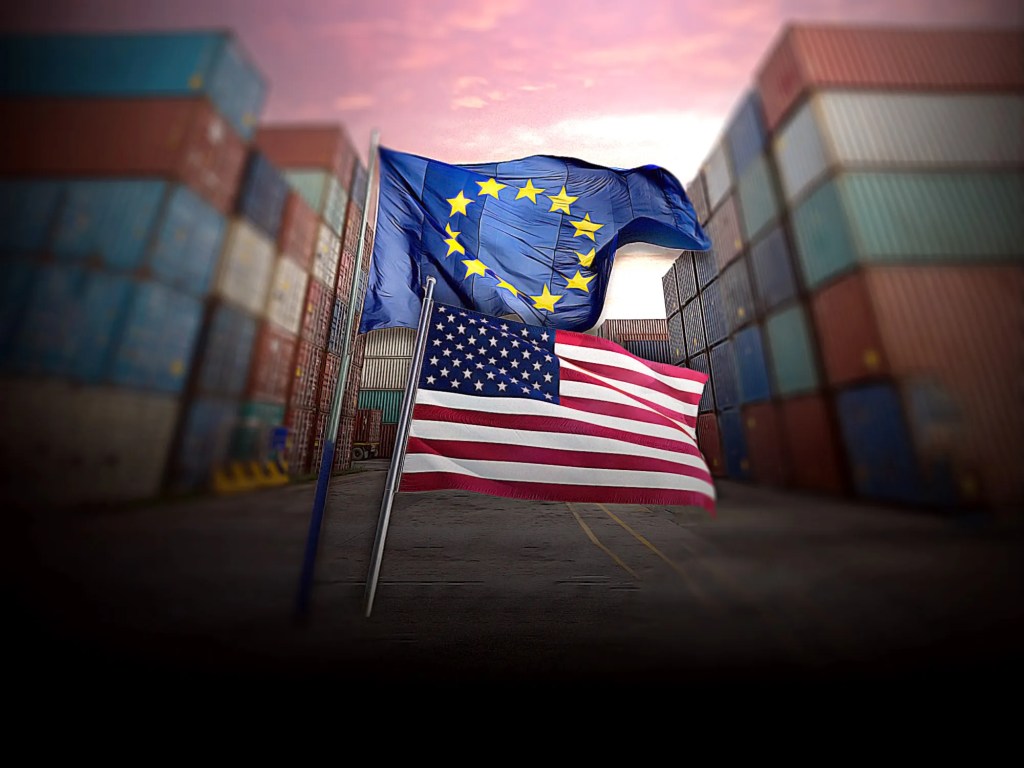
As transatlantic trade tensions approach a new boiling point, the European Union is finalizing a massive retaliatory tariff package targeting U.S. imports, aimed at countering the sweeping tariffs proposed by President Donald Trump. With just days left before Trump’s self-imposed August 1 deadline for imposing up to 30% tariffs on all European goods, Brussels is preparing its second and most aggressive countermeasure yet—potentially affecting €72 billion worth of American exports.
The EU’s upcoming tariff list builds on an earlier package worth €21 billion that’s set to go into effect on August 6. The second package—originally proposed at €95 billion—has been scaled back slightly to €72 billion following intense industry lobbying and internal negotiations. Still, it marks a significant escalation in the EU’s response to the U.S.’s increasingly unilateral trade policy.
The European Commission has secured near-unanimous support from EU member states to enact a sweeping €93 billion retaliatory tariff package on U.S. goods if trade negotiations with the Trump administration collapse. While Hungary objected, the rest of the bloc endorsed a plan that targets a wide array of American exports—from soybeans to aircraft—with tariffs of up to 30 percent.
These measures are not yet in effect and will remain suspended until at least August 7, allowing time for a deal to be finalized. EU officials say their priority remains a negotiated settlement, with reports indicating that progress is being made this week towards a deal potentially aligning with a 15 percent baseline tariff structure similar to the recent U.S.–Japan agreement.
Despite the show of unity, there is growing discomfort within Europe’s corporate sectors, particularly among luxury, automotive, and cosmetics industries, which fear being caught in the crossfire. German automakers and French beauty brands, heavily reliant on U.S. consumers, have urged Brussels to avoid escalation, warning that retaliation could provoke even harsher American tariffs.
Industrial goods make up the bulk of the proposed EU tariffs, with €66 billion in targeted imports, while agri-food and related products account for an additional €6 billion. U.S. aircraft products, passenger vehicles, and medical equipment remain the most heavily affected categories.
However, under pressure from healthcare, technology, and agri-food sectors, EU negotiators have carved out several key exemptions from the tariff list. These include diagnostic chemicals, wheelchairs, surgical thread, and lab reagents. X-ray devices and other medical appliances have also been spared. In agriculture, soybean seeds—a critical import for European animal feed—have been removed from the list. On the industrial side, some data processing machines and semiconductor manufacturing equipment were withdrawn as well, reflecting concerns about Europe’s dependency on high-tech American imports.
Nevertheless, leaders like German Chancellor Friedrich Merz and French President Emmanuel Macron especially, have indicated readiness to impose countermeasures if Washington proceeds with its 30 percent tariff threat. With European exports to the U.S. topping €532 billion annually, the economic stakes are high, and the coming days will prove pivotal in determining whether diplomacy or trade conflict prevails.
French Push for a Firmer EU Stance
Among EU capitals, Paris has taken the lead in urging the European Commission to hold firm in trade negotiations with Washington. French officials argue that the EU must not appear weak or too eager to cut a deal at any cost, especially as Trump threatens to triple existing tariffs from 10% to 30% on all European imports.
In recent weeks, French officials have openly urged Brussels to prepare aggressive countermeasures and to show it is willing to “press the red button” if necessary. Trade Minister Laurent Saint-Martin and Industry Minister Marc Ferracci have called for activating instruments like the EU’s Anti-Coercion Instrument, which would allow the bloc to impose further sanctions targeting U.S. services and industries.
Ferracci is also rallying support from European allies. He is scheduled to meet his German and Italian counterparts in Berlin and Paris to align strategies and discuss a coordinated response. Meanwhile, French President Emmanuel Macron is set to hold a crucial meeting with German Chancellor Friedrich Merz in Berlin, where the rift between French resilience and German pragmatism may come to a meeting point.
While Germany advocates swift compromise to protect its export-heavy economy, France argues that premature concessions risk setting a dangerous precedent that weakens the EU’s negotiating position.
EU Trade Commissioner Maroš Šefčovič recently returned from his fourth visit to Washington since February. While talks have intensified, EU diplomats were informed that no final deal had been reached. Behind closed doors, officials acknowledged that the negotiations remain delicate and incomplete.
Despite the urgency, some EU member states remain hesitant to escalate the confrontation further. Countries with strong ties to the U.S. economy or limited capacity to withstand trade disruptions are wary of retaliatory escalation that could backfire economically.
The Trump administration continues to signal that unless the EU accepts significant trade concessions, the 30% tariff hike will be imposed as planned. The U.S. has already rolled out similar tariffs against other partners and issued new deals with Japan, the Philippines, Indonesia, and Vietnam in recent weeks—some still lacking clear implementation details.
Analysis:
The current clash marks a dramatic and ongoing rupture in the U.S.–EU economic relationship, once grounded in mutual rules and multilateral trade norms. Since returning to office, President Trump has challenged that framework, preferring unilateralism, coercive tariffs, and transactional diplomacy over multilateralism.
The EU, caught between safeguarding its industries and managing political optics, is now navigating a delicate balancing act. Brussels wants to avoid further escalation that could tip the continent into recession or damage vital supply chains, but also recognizes that constant concessions erode the bloc’s credibility.
France’s call for firmness reflects growing concern that Europe’s economic sovereignty is under threat—not just from U.S. tariffs but from the political optics of caving under pressure. Germany, focused on economic stability, is reluctant to provoke a full-scale trade war but may be forced to shift if negotiations collapse.
If Trump’s tariffs take effect on August 1, a new phase of economic conflict will begin—one where retaliatory cycles risk undermining the global trading system further. Should Brussels respond with its full retaliatory package, the impact would extend beyond aircraft and automobiles, spilling into broader sectors and even services.
 IRinFive
Leave a comment