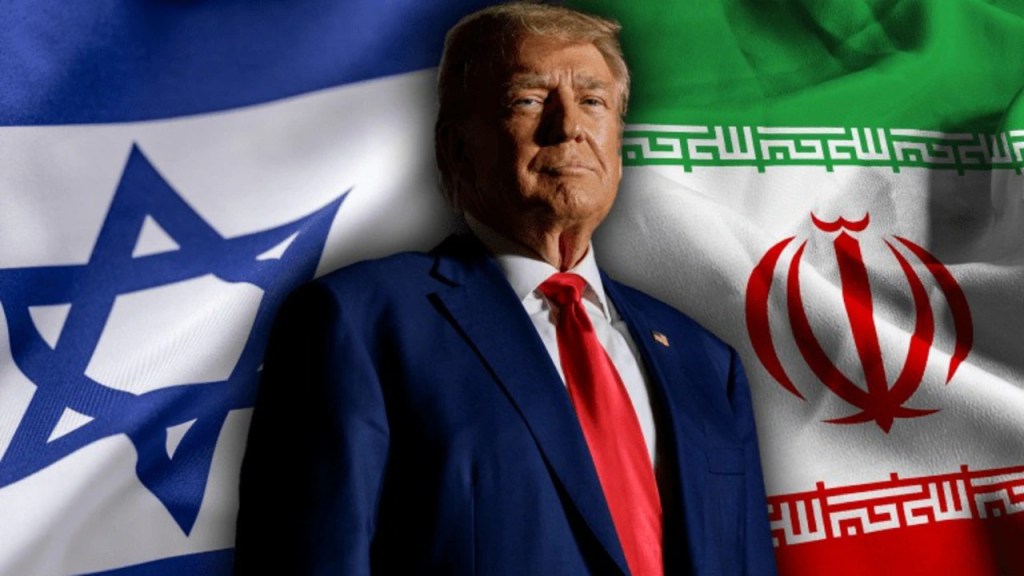
6/24 – International News & Diplomacy Analysis
U.S. President Donald Trump announced a dramatic and unexpected ceasefire between Israel and Iran on Monday. The agreement, reached through a flurry of backchannel diplomacy and high-level conversations involving Israeli Prime Minister Benjamin Netanyahu, Iranian officials, and key intermediaries like Qatar, has brought a temporary reprieve to what Trump dubbed “The 12 Day War.”
Conflict Timeline
The war was sparked by a series of Israeli airstrikes on Iranian nuclear facilities, including the heavily fortified sites at Natanz and Fordow, launched on June 13. These strikes, which followed weeks of rising tensions over Iran’s uranium enrichment program, marked a turning point in the long-simmering conflict between the two adversaries. Israel justified its attacks by alleging Iran was nearing the development of a nuclear weapon.
In response, Iran launched a volley of ballistic missiles toward Israel and later targeted a U.S. air base in Qatar with advance warning. While most missiles were intercepted with the assistance of American air defense systems, dozens of casualties were reported in Israel. Israeli counterstrikes escalated quickly, targeting military and nuclear infrastructure across Iran, including radar sites and missile launchers near Tehran.
The United States initially attempted to stay out of the conflict, though it held secret talks with Tehran aimed at reviving stalled negotiations. But on Saturday, Trump ordered the U.S. military to drop massive bunker-busting bombs on underground nuclear sites in Iran, marking the first direct American military involvement in the war.
Diplomacy Behind the Scenes
According to senior White House officials, the ceasefire agreement came together over a tense weekend of diplomacy. Trump spoke directly with Netanyahu from the Oval Office, while Vice President JD Vance, Secretary of State Marco Rubio, and Special Envoy Steve Witkoff communicated with Iranian negotiators through direct and indirect channels, including the involvement of Qatar’s Prime Minister.
The ceasefire was reportedly contingent on two key conditions: Israel would halt its airstrikes if Iran ceased missile attacks, and Iran would agree to pause all hostilities if Israel did the same. Trump, hoping to avoid further escalation, posted on Truth Social, “This is a War that could have gone on for years, and destroyed the entire Middle East, but it didn’t, and never will!”
Iranian officials confirmed through state channels that they had agreed to a ceasefire, though Supreme Leader Ayatollah Ali Khamenei warned that the Iranian people would never surrender. President Pezeshkian also signaled Iran’s readiness to resume diplomatic negotiations but maintained that Tehran would defend itself if attacked again.
Fragility and Violations
Despite Trump’s celebratory tone, the ceasefire proved shaky already. Within hours of the announcement, missiles were again exchanged. Israel claimed it was responding to an Iranian violation of the truce, striking a radar site north of Tehran. The Iranian side accused Israel of being the first to break the ceasefire. Trump, in a visibly angry public statement, said he was “really unhappy” with Israel’s actions and urged them to “bring your pilots home, now.”
According to the White House, Netanyahu held off further strikes following a tense call with Trump, described as “firm and direct.” Meanwhile, Israeli Defense Minister Israel Katz announced he had ordered “intense strikes” in response to Iran’s alleged aggression.
Vice President Vance called the ceasefire an “important reset moment for the entire region.” Still, neither Israel nor Iran officially confirmed the full terms of the agreement. Observers warned that without a verifiable monitoring mechanism, violations would continue to erode trust.
Analysis:
Trump’s decision to authorize direct U.S. involvement in the conflict, after previously vowing to keep the United States out of foreign wars, stirred anxiety within his “America First” political base. However, the ceasefire—if maintained—may blunt that criticism by allowing Trump to portray himself as both a strong leader and a peacemaker.
On one hand, the ceasefire presents an opportunity for a return to nuclear negotiations and potential regional de-escalation. On the other, the lack of clarity, continued exchanges of fire, and Trump’s public rebukes of Israel raise questions about the long-term viability of the deal and whether the hostilities between Israel and Iran will actually come to an end.
Both nations appear to have used the ceasefire announcement as strategic messaging. Iran’s leadership aims to position itself as dignified and open to talks while preserving its deterrent posture. Israel, meanwhile, maintains a readiness to resume strikes if provoked, and continues to press the case that Iran cannot be trusted to abandon its nuclear ambitions.
The Trump administration’s tightrope walk—between demonstrating resolve, appeasing allies, and avoiding prolonged conflict—may be tested in the coming days. Without a clear enforcement mechanism or mutual trust, the 12-Day War risks becoming a prelude rather than a conclusion.
Ultimately, whether this ceasefire holds may depend less on declarations and more on the quiet calculus of deterrence, domestic politics, and diplomatic brinkmanship. For now, we must continue to wait and observe anxiously.
 IRinFive
Leave a comment