6/13 – International News & Geopolitical Updates
8:05 PM ET – FRIDAY JUNE 13, 2025
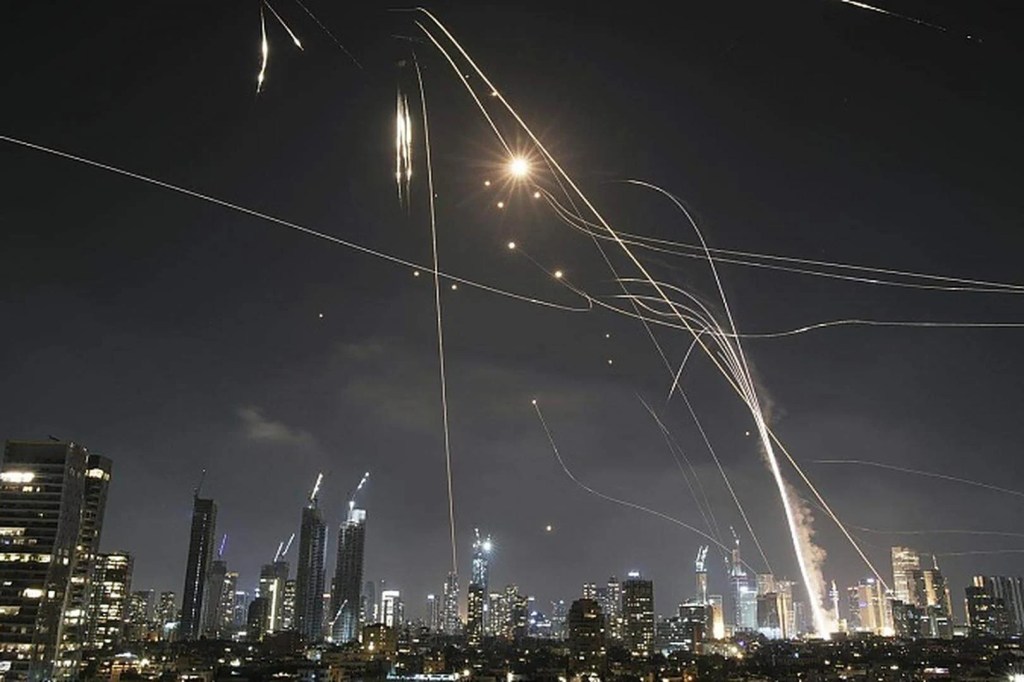
Iran has launched a large-scale retaliatory missile strike on Israel in response to Israel’s overnight air raids targeting Iranian nuclear and military sites, as well as a parallel intelligence operation that assassinated most of Iran’s top military commanders and scientists. Military operations between both nations are currently ramping up, and here’s what we know so far as things heat up in the Middle East:
Iran’s UN ambassador reports that 78 people killed and over 320 injured in the Israeli attacks.
According to Iranian state media, hundreds of ballistic missiles were fired at Israeli territory. The Israeli Defense Forces confirmed that dozens of these missiles were intercepted—many with the aid of U.S. air defense systems—but not all were stopped. At least 40 civilians in Tel Aviv and surrounding areas are being treated for injuries. Sirens and explosions have been reported in multiple Israeli cities, including Jerusalem, indicating that a second wave of Iranian attacks may be underway.
The Israeli military responded swiftly with fresh strikes on Iranian launch infrastructure, targeting missile sites and command facilities.
Nuclear Facility Hit, Iranian Leadership Targeted
The International Atomic Energy Agency confirmed that Israel’s initial strike destroyed the above-ground sections of Iran’s primary nuclear enrichment site in Natanz. Israel also reportedly killed several senior Iranian military figures, including Chief of Staff Mohammad Bagheri, in targeted strikes on facilities associated with the nuclear weapons program.
Iran’s Supreme Leader, Ayatollah Ali Khamenei, issued a recorded statement vowing harsh and sustained retaliation. Iranian officials have stated that the regime considers Israel’s attacks to be acts of war and will respond “in kind and beyond.”
Oil markets reacted immediately to the instability, with prices surging over 7% and global equities dropping sharply. The Dow Jones fell 1.8% amid fears of broader conflict in the region and disruptions to oil supply through the Strait of Hormuz.
President Trump’s Comments
President Donald Trump, whose administration had been engaged in nuclear negotiations with Iran just hours before the Israeli strike, defended the assault on social media, stating, “I gave Iran a chance to make a deal, they just couldn’t get it done.” He urged Tehran to return to talks “before there is nothing left.”
The Israeli airstrikes came ahead of a planned sixth round of negotiations between Trump’s envoy, Steve Witkoff, and Iranian counterparts in Oman. That meeting is now in jeopardy, with Tehran accusing the U.S. of complicity in Israel’s attack. Although Secretary of State Marco Rubio denied direct U.S. involvement, he emphasized America’s commitment to Israel’s defense.
International Warnings
The Kremlin condemned Israel’s actions as a “dramatic escalation,” while Saudi Arabia accused Israel of “blatant aggression.” IAEA Director General Rafael Grossi called the situation “deeply concerning,” urging all parties to show maximum restraint.
Meanwhile, Israeli Prime Minister Benjamin Netanyahu, in a public address, defended the attacks as essential for national survival. He claimed Iran was close to developing a deployable nuclear weapon and argued that time had run out for diplomacy. Netanyahu called on Iranian citizens to oppose their government, declaring in Farsi and English that “Iran’s regime has never been weaker.”
Defense Minister Israel Katz said that Iran’s missile strikes on Israeli civilian areas had crossed a red line and vowed that the Islamic Republic would “pay a very heavy price.”
Analysis: A Dangerous Gamble with Global Consequences
Israel’s air campaign has delivered a devastating blow to Iran’s nuclear infrastructure and leadership, potentially buying time in the race to prevent a nuclear-armed Iran. However, the risk of regional war has dramatically increased and we are all but there at this point. Iranian proxies, including the Houthis in Yemen and militias in Iraq and Syria, may now be mobilized to strike U.S. and allied interests across the region.
The Trump administration had pursued diplomacy as a primary strategy, with the Oman talks seen as a last chance to contain the crisis. Now, with the diplomatic track derailed and missiles flying, the U.S. faces the real prospect of being drawn deeper into yet another major Middle Eastern war— with potential to be the most devastating one yet.
While some Israeli officials argue the strike was necessary and possibly preemptive, others acknowledge that if Iran rebuilds, the region could enter a cycle of recurring war. Intelligence analysts warn that even if current nuclear facilities are crippled, Iran retains the knowledge and material to restart its program—potentially more covertly and with greater determination.
The comprehensive risk of this is that Israel might see this as a chance and reason to press on until their strategic goals are entirely achieved— aka total capitulation and/or defeat of the Iranian regime.
As the situation unfolds, global leaders now watch closely to see whether this dramatic exchange triggers broader conflict—or opens a narrow, dangerous path toward a new geopolitical order.
 IRinFive
Leave a comment