6/13 – International News & Diplomacy Updates
*NOTE: This story was written and edited early on June 12th, 2025, just hours before Israel carried out airstrikes on Iran. This escalation rendered many of the speculations in this article obsolete. We have decided to publish this story anyway to provide context on how quickly the geopolitical landscape of the region has shifted.
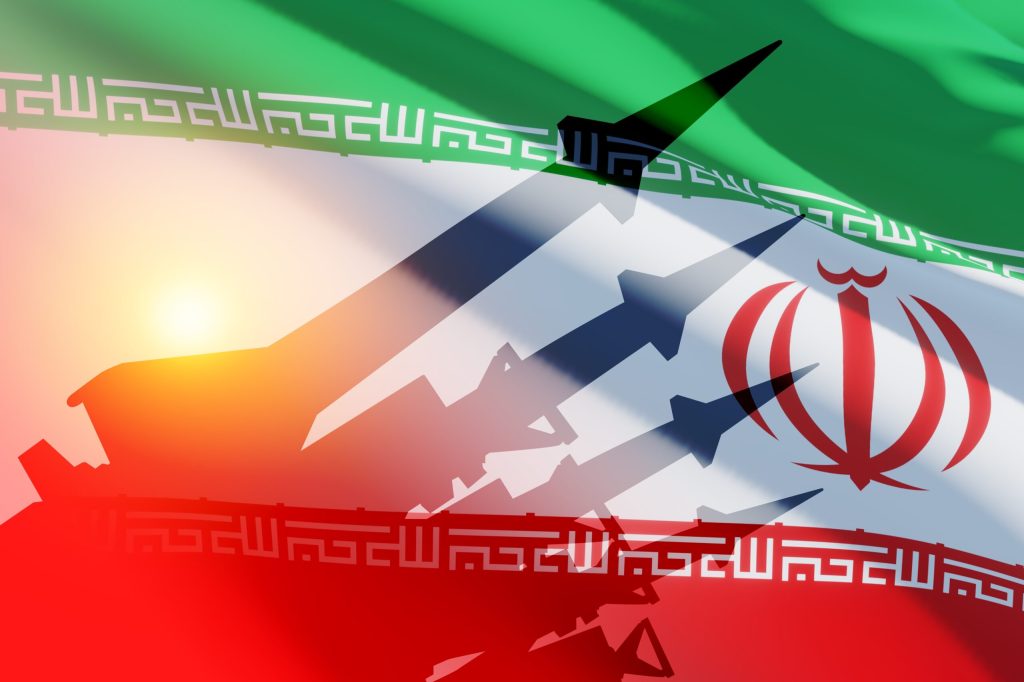
—> Amid deepening instability across the Middle East, the Iranian nuclear standoff has entered a perilous new phase, raising fears that the region could soon descend into a large-scale conflict. On Thursday, the International Atomic Energy Agency (IAEA) formally declared Iran in breach of its nuclear non-proliferation obligations for the first time in nearly 20 years. The announcement came just days before a scheduled round of U.S.-Iran nuclear talks in Oman and sparked a swift, defiant response from Tehran—including new nuclear developments and military maneuvers that have alarmed both Washington and Tel Aviv.
The IAEA’s Board of Governors passed a censure resolution against Iran, citing years of evasive behavior, unexplained nuclear materials at undeclared sites, and Tehran’s ongoing refusal to allow full transparency into its program. This resolution, backed by the U.S., France, Germany, and the U.K., comes amid mounting evidence of Iran’s effort to expand its nuclear infrastructure in ways that suggest military potential.
Iran responded by announcing it would construct a third uranium enrichment facility at a secret, secure location. At the same time, it revealed plans to upgrade centrifuges at its Fordow facility from first-generation to sixth-generation models, significantly boosting its capacity to produce enriched uranium. While Iran maintains that its program is purely for peaceful purposes—such as energy production and medical isotopes—its current enrichment level of 60% brings it dangerously close to the 90% threshold required for a nuclear weapon.
Washington and Tel Aviv on High Alert
These developments arrive as the Trump administration prepares for high-stakes nuclear talks in Oman this weekend, amid growing concerns in U.S. intelligence circles that Israel may be preparing to launch a military strike against Iran’s nuclear sites. While Israeli officials have not confirmed any decision, military preparations have reportedly accelerated, and Israeli leaders are expected to meet with U.S. envoy Steve Witkoff in the days ahead to clarify their position.
President Donald Trump, now leading U.S. foreign policy again, warned Israel against premature military action but admitted a strike “could very well happen.” Simultaneously, the U.S. has begun partial evacuations of diplomatic staff in Iraq and other Middle Eastern outposts, signaling growing anticipation of conflict.
Tehran Doubles Down
Inside Iran, the response has been one of defiance and preparation. President Masoud Pezeshkian rejected what he called “American coercion,” pointing to Iran’s endurance during its eight-year war with Iraq as proof of national resilience. Senior Iranian military officials, including Islamic Revolutionary Guard Corps (IRGC) commander Hossein Salami, vowed devastating retaliation for any Israeli strike—promising a response that would surpass previous missile exchanges between the two countries.
Iran initiated early military exercises involving missiles, drones, and special forces units. Defense Minister Aziz Nasirzadeh confirmed the successful launch of a 2,000kg warhead ballistic missile and declared that U.S. military bases across the region would be considered legitimate targets in the event of war.
In a display of nationalism, authorities in Tehran erected a giant sculpture of Arash Kamangir—an Iranian mythological figure known for sacrificing himself to establish the nation’s borders. While some celebrated the statue as a symbol of pride and resistance, others criticized it as a political gesture aimed at stoking patriotism in preparation for conflict.
At the heart of the diplomatic deadlock lies the issue of uranium enrichment. The 2015 nuclear deal limited Iran to 3.67% enrichment, but since its collapse following the U.S. withdrawal in 2018, Iran has dramatically escalated its nuclear activities. Trump and his administration are now demanding “zero enrichment” as a prerequisite for any new agreement—a stance Tehran has flatly rejected.
Iran recently turned down a U.S. proposal reflecting that zero-enrichment demand and is expected to present a counteroffer during talks in Muscat. Meanwhile, discussions of a potential nuclear consortium involving Iran’s neighbors have failed to yield any breakthroughs.
The IAEA’s latest report further highlights longstanding concerns about Iran’s opaque nuclear behavior. The agency has uncovered patterns of site sanitization, evidence destruction, and deliberate obstruction of inspections. At sites like Marivan and Turquzabad, Iran reportedly conducted nuclear weapons-related tests and then demolished facilities once the IAEA requested access.
The report paints a picture of a systematic, structured, and clandestine nuclear program. It also raises concerns about the possibility of a second secret enrichment site in the mountainous region of Natanz, which, combined with Fordow, could significantly reduce the time needed for a nuclear breakout.
Analysis: The Edge of a Wider War
The international response to Iran’s nuclear defiance will determine whether the world can still enforce the rules of the Non-Proliferation Treaty or whether a dangerous new era of nuclear brinkmanship is underway.
Iran’s current trajectory suggests that it is betting on the West’s reluctance to act. By advancing its nuclear capabilities while engaging in diplomacy, Tehran appears to be hedging its bets—strengthening its position for future negotiations or preparing for confrontation if talks collapse. The calculated unveiling of new military assets and nuclear infrastructure sends a message: Iran is prepared to endure sanctions and fight if necessary.
Meanwhile, the U.S. administration faces a credibility test. Its insistence on zero enrichment, while consistent with past rhetoric, increasingly appears unachievable under current conditions. Trump’s mixed signals—combining diplomatic outreach with troop withdrawals and military threats—create confusion among allies and adversaries alike.
For Israel, the stakes could not be higher. With every advancement in Iran’s nuclear program, the strategic window to act narrows. A unilateral Israeli strike, however, would almost certainly ignite a regional war, pull in American forces, and destabilize global energy markets. It would also risk fragmenting the international coalition still trying to bring Iran back into compliance through diplomacy.
The Muscat talks may be the final opportunity to halt the slide into open war. If no progress is made, the Middle East could face its most destructive conflict in decades—one that would pit Israel against a large and well-armed adversary, with U.S. assets in the region almost inevitably drawn into the fight.
The potential for miscalculation is immense. The hope is that diplomacy prevails. The fear is that the window is closing.
 IRinFive
Leave a comment