8/8 – International Trade News & Analysis
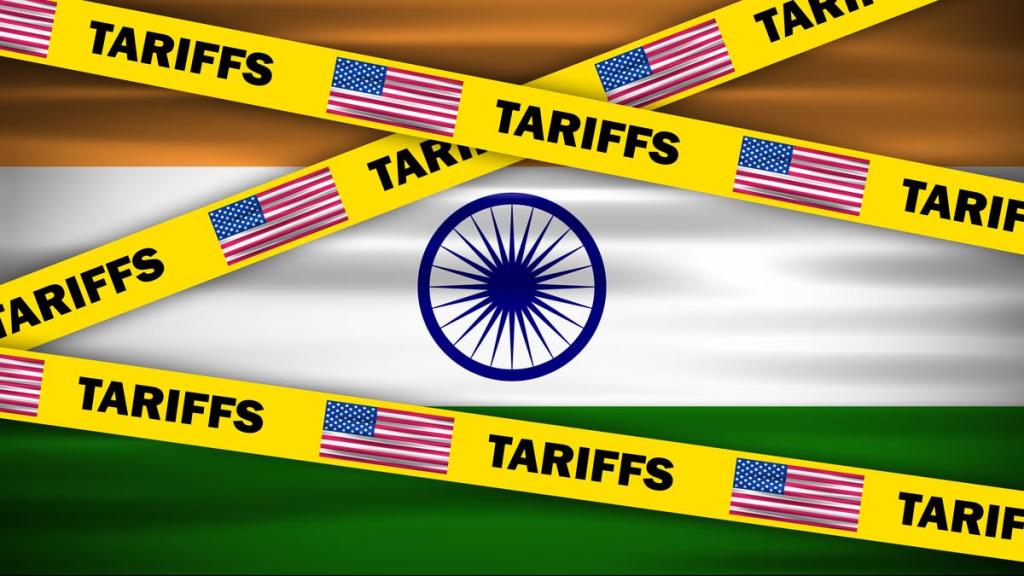
U.S. President Donald Trump announced a 25% increase in tariffs on Indian imports, targeting the country’s continued purchase of Russian oil — a move that now threatens to disrupt nearly $87 billion worth of bilateral trade, undercut India’s economic momentum, and inject renewed volatility into global markets. Trump’s renewed use of aggressive trade tactics has thrust U.S.-India relations into their most contentious state in over a decade.
The tariffs, set to take effect 21 days after August 7, raise duties on certain Indian goods to as high as 50% — among the steepest faced by any U.S. trading partner. This move marks a stark reversal from the cooperative tone set during the Trump-Modi meeting earlier this year. India, which has remained the largest buyer of Russian oil since 2022, currently imports around 2 million barrels per day of discounted Russian crude — nearly 40% of its total oil supply. The oil has enabled Indian refiners to boost profits by converting it into high-margin fuels for export, helping to keep their own domestic fuel prices relatively stable amid global volatility.
For three years, this approach went largely unchallenged by the West. But Trump’s frustration with Moscow’s refusal to agree to a Ukraine ceasefire has prompted a shift. By imposing new tariffs, he’s signaling an intent to apply economic pressure on Russia indirectly — by squeezing the markets and buyers that keep its oil revenues afloat.
Collapse of Trade Talks
According to U.S. and Indian officials, the trade fallout stems from five rounds of inconclusive negotiations that failed to bridge major divides. The U.S. had demanded greater access to India’s agriculture and dairy sectors, while India sought concessions on tech and manufacturing. The breaking point, however, was India’s refusal to scale back its Russian oil purchases — which hit a record $52 billion in 2024.
Analysts suggest that both sides underestimated each other’s red lines. Indian negotiators misread Trump’s tolerance for strategic hedging, while the U.S. side overplayed its leverage, failing to account for India’s growing geopolitical independence and energy constraints.
With a population of 1.4 billion and surging energy demand, India argues that its purchases are driven by market necessity, not political allegiance. Officials in New Delhi condemned the tariffs, highlighting that many countries, including China, continue to import Russian oil.
Yet it is India — not China — that has borne the brunt of Trump’s latest economic retaliation, though the White House has hinted that China may soon face similar measures. Treasury Secretary Scott Bessent warned that the expiration of the U.S.-China tariff ceasefire on August 12 could trigger a new wave of duties.
The economic impact on India could be substantial. Roughly 55% of India’s exports to the U.S. are now exposed to steep new tariffs. Exporters fear a dramatic decline in competitiveness, especially against regional rivals like Vietnam, Bangladesh, and Japan, who now enjoy a substantial pricing advantage.
Some Indian officials have floated potential relief measures for exporters, such as subsidized credit and loan guarantees, but acknowledge these are only short-term solutions. With Indian GDP growth already expected to fall below the central bank’s forecast of 6.5%, the added pressure from falling exports could push growth below 6% this year.
India’s Dilemma
India now faces a delicate balancing act. While it has historically respected U.S. sanctions — as seen during Trump’s first term when it halted Iranian oil imports — this time may be different. The White House has reportedly demanded that India reduce Russian oil imports to zero, but such a robust transition is unlikely.
Indian refiners have already reduced orders from Russia by up to 50%, according to industry estimates, but replacing the remaining supply won’t be easy. Middle Eastern producers have limited spare capacity and are tied up in long-term contracts with East Asian buyers. Meanwhile, African and Latin American options are more expensive or logistically complicated.
Even if India manages to secure alternative sources, the loss of discounted Russian oil — which trades $5 to $10 cheaper per barrel than global benchmarks — will erode refining margins and raise fuel costs at home. This could trigger inflationary pressures, undercut India’s manufacturing competitiveness, and strain government subsidies.
Compounding matters, Prime Minister Modi is preparing for a long-anticipated visit to China, his first in over seven years, raising speculation about a strategic pivot in response to Washington’s hardline stance. A more assertive China, meanwhile, could capitalize on the U.S.-India rift by offering more favorable terms to countries disillusioned with Trump’s economic nationalism.
Global Oil Markets Risk
Trump’s strategy aims to dry up Russia’s oil revenues to force a settlement in Ukraine, but the unintended consequences may ripple far beyond the Kremlin. By pressuring India and potentially China, the administration risks triggering a realignment in global energy markets, higher oil prices, and retaliatory trade measures.
Preventing Russian oil from reaching global markets could send crude prices soaring above $80 per barrel, with knock-on effects for inflation and consumer spending. The Trump administration is reportedly considering waivers or phased restrictions to avoid a 2018-style repeat, when sanctions on Iran caused price shocks and forced a softening of U.S. policy.
Analysis: The Fragility of Politicized Trade Policy
The Trump administration’s strategy exposes the volatility of tying economic policy too closely to shifting foreign policy goals. Weaponizing trade for geopolitical leverage can backfire — eroding trust with long-term partners, destabilizing supply chains, and pushing neutral actors into the orbit of rival powers like China.
Trump’s tariff offensive against India underscores a growing trend in U.S. foreign policy: the use of economic tools as instruments of geopolitical coercion. While such tactics may yield short-term gains — as in pushing allies to reconsider their Russia ties — they come at a cost.
When trade becomes hostage to political goals, the stability and predictability of international commerce is undermined. Countries that once viewed the U.S. as a reliable economic partner may now turn elsewhere, lured by less conditional arrangements from China or other emerging players.
Moreover, consumers and businesses ultimately bear the brunt of such tariffs, as costs rise and supply chains adjust. Instead of cultivating long-term cooperation, these moves risk isolating Washington and diminishing its influence in the very regions it seeks to lead.
 IRinFive