1/1 – International Economic Developments
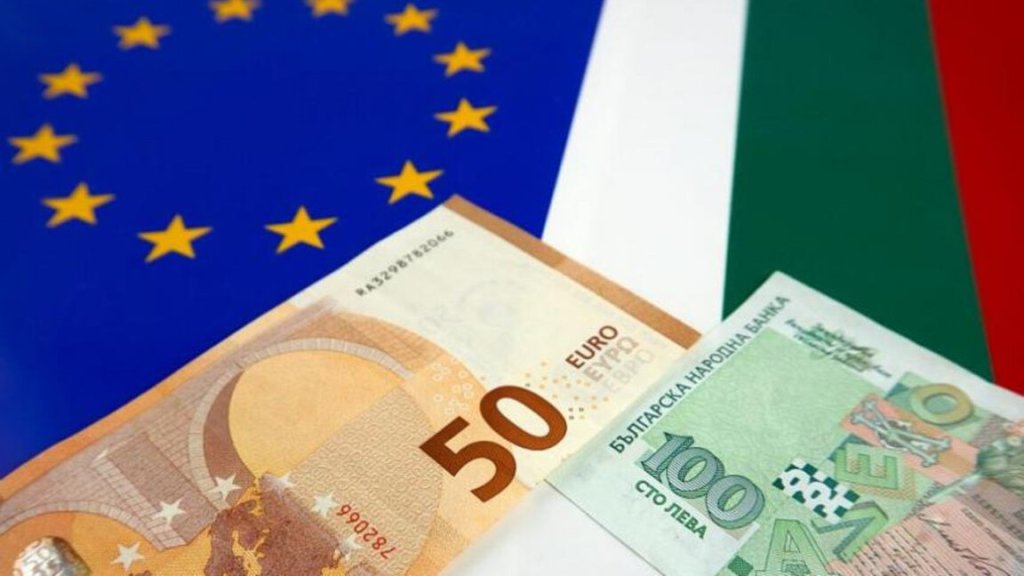
As of today, January 1, 2026, Bulgaria is scheduled to adopt the euro, marking one of the most significant economic transitions since the country joined the European Union in 2007. The move will make Bulgaria the 21st member of the eurozone and extend the single currency to the Black Sea region for the first time. While the decision has been years in the making and follows formal approval from EU institutions in 2025, the final approach to accession has exposed sharp divisions within Bulgarian society, shaped by economic anxiety, political instability, and questions of national identity.
Path to Eurozone Entry
Bulgaria’s ambition to adopt the euro dates back to its EU accession, but progress was repeatedly delayed by political turbulence and concerns over corruption, governance, and macroeconomic readiness. Under the Maastricht Treaty, candidate countries must meet strict criteria on inflation, budget deficits, debt levels, exchange rate stability, and long-term interest rates. Bulgaria formally met these benchmarks in early 2025, prompting a sequence of approvals by the European Commission, the European Council, the EU’s finance ministers, and the European Parliament.
The transition builds on decades of monetary alignment with Europe. Since 1997, Bulgaria has operated under a currency board regime, initially pegging the lev to the German mark and later to the euro. The fixed conversion rate of 1 euro to 1.95583 lev has been in place since Bulgaria entered the Exchange Rate Mechanism in 2020, and in practice even earlier. As a result, analysts note that monetary policy has already been heavily influenced by the eurozone, even without formal membership.
From January, Bulgaria will gain a seat on the Governing Council of the European Central Bank, giving it a voice in setting interest rates and monetary policy across the currency union.
In practical terms, the transition is designed to be gradual. Prices will continue to be displayed in both leva and euros until August 2026, and the lev will remain legal tender until the end of January. For six months, citizens will be able to exchange cash freely at banks, post offices, and the Bulgarian National Bank.
Many businesses, particularly those engaged in cross-border trade, have already adapted. Dual pricing has become widespread, and companies that regularly deal in euros expect fewer administrative burdens once conversion costs and invoice adjustments are eliminated. More than 80 percent of Bulgarian imports have long been denominated in euros, limiting direct exposure to currency volatility.
For consumers, especially those who travel or work elsewhere in the EU, the euro promises convenience. Supporters argue that everyday transactions abroad will become simpler, banking fees lower, and financial integration deeper.
A Society Split on the Eve of Change
Despite these technical preparations, public sentiment remains divided. Polling conducted in mid-2025 showed Bulgarians almost evenly split between support and opposition. Opposition is more prevalent among older citizens and residents of smaller towns and rural areas, while support is stronger among younger, urban, and business-oriented groups.
The most common fear is inflation. Many Bulgarians point to recent price increases in food, housing, and utilities and worry that the currency switch will accelerate the erosion of purchasing power. Memories of the economic turmoil of the 1990s remain vivid, particularly among pensioners who fear that fixed incomes will not keep pace with rising costs.
Concerns also extend beyond economics. For some, the lev represents sovereignty and continuity. Bulgarian banknotes feature prominent cultural figures, and the disappearance of the national currency is seen by critics as a symbolic loss of identity. Others worry that euro adoption will further centralize decision-making in Brussels, reducing national control over fiscal policy.
Political distrust amplifies these anxieties. Bulgaria has held seven parliamentary elections in four years, and the most recent governing coalition collapsed in December following protests over proposed tax increases. The instability has fueled skepticism about the state’s ability to manage the transition fairly and transparently.
President Rumen Radev called for a referendum on euro adoption earlier this year, arguing that the country was not ready. Parliament rejected the proposal, deepening political polarization. Opposition parties, including nationalist and pro-Russian groups, frame the euro as a threat to financial sovereignty and portray the move as imposed rather than chosen.
Competing Narratives
Supporters counter that Bulgaria effectively committed to the euro when it joined the EU and that postponing accession would only prolong uncertainty. They argue that the lev has long been tied to the euro in any case, limiting the risks often cited by critics. Economists point to studies suggesting that inflation linked directly to euro adoption is typically modest and short-lived.
During a visit to Sofia, ECB President Christine Lagarde described the expected inflation impact as limited and emphasized benefits such as smoother trade, lower borrowing costs, and greater financial stability. Analysts at the Brussels-based think tank Bruegel estimate that price effects in similar transitions have generally remained below 1 percent.
Yet opposition narratives resonate strongly amid broader European trends. Euroscepticism has risen across the continent, alongside the growth of far-right parties. In Bulgaria, these currents intersect with long-standing concerns about inequality, regional disparities, and elite accountability.
Analysis:
Bulgaria’s euro adoption illustrates a widening gap between institutional readiness and public confidence. From a macroeconomic and legal perspective, the transition is the culmination of a process that began decades ago. The currency board, euro-denominated trade, and ECB oversight have already constrained Bulgaria’s monetary autonomy.
Socially and politically, however, the change arrives at a fragile moment. Inflation fears are not abstract in a country where wages remain the lowest in the EU and recent price shocks are still being felt. Nostalgia for the lev reflects not only cultural attachment but also a desire for stability in uncertain times. Distrust of political elites further undermines confidence that safeguards against price manipulation or speculative behavior will be enforced.
The prevailing sentiment, while mixed, tilts toward caution rather than celebration. Even among those who accept euro adoption as inevitable, unease remains about its short-term impact on living standards and social cohesion. Supporters tend to frame the euro as a long-term structural benefit, while opponents focus on immediate costs and perceived losses of control.
As Bulgaria enters the eurozone, the success of the transition will depend less on meeting formal criteria, which it already has, and more on whether institutions can maintain price stability, communicate clearly, and rebuild public trust. The euro’s arrival is not only a monetary change but a test of whether economic integration can proceed without deepening social divides in one of Europe’s most politically sensitive moments.



 IRinFive