IRinFive

Author: IRinFive

  • How Long Can Israel Afford A War With Iran?

    6/22 – Geopolitical Analysis Piece

    As Israeli jets continue pounding strategic sites across Iran and Tehran retaliates with missile salvos, the Israel-Iran conflict already risks rapidly transforming into a costly war of attrition. What began as a high-stakes military campaign with defined objectives might be evolving into an open-ended conflict with spiraling costs, blurred strategic goals, and escalating regional risks.

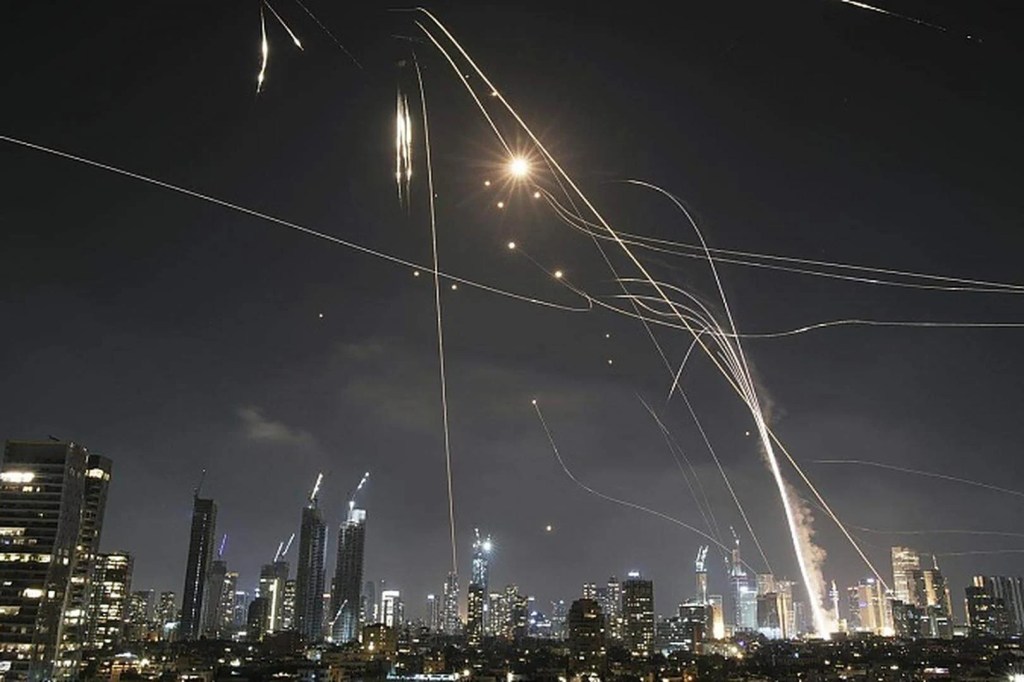
    Israel is now spending hundreds of millions of dollars a day to sustain the war, with its sophisticated missile defense systems and offensive operations pushing the country toward economic strain. The costliest single item is missile interception. Systems like David’s Sling and Arrow 3, developed with U.S. support, cost between $700,000 and $4 million per engagement. As Iran has launched over 400 missiles in recent days, Israel’s air defense has absorbed staggering daily costs—estimated at $200 million daily at its peak.

    The expense doesn’t end there. Jet fuel, refueling operations, and ammunition for F-35s flying long sorties into Iranian airspace are contributing heavily to the daily price tag. Bombs such as JDAMs and MK84s, along with logistical support, round out the cost structure. According to analysts, a one-month war could cost Israel up to $12 billion. While Israel’s economy has proven resilient through past conflicts, the scale of this campaign is unprecedented.

    The Israeli government is hoping to achieve strategic objectives before resources run thin or international pressure mounts. Prime Minister Netanyahu has set out to dismantle Iran’s nuclear infrastructure and degrade its ballistic missile program. The expectation is that the campaign will last at least two weeks, though many fear it could drag on far longer.

    Civilian Impact and Infrastructure Damage

    On the home front, the cost is not only economic. Over 5,000 Israelis have been displaced due to missile strikes. Cities like Tel Aviv have seen significant damage to key buildings such as the Mossad headquarters, Israel’s national stock exchange, as well as key ports in the city of Haifa. Missile strikes have also damaged critical infrastructure. Israel’s largest oil refinery was temporarily shut down after being hit, killing three employees and raising concerns about supply stability.

    Business closures, limited airport activity, and labor disruptions across essential sectors have deepened the economic blow. While S&P has yet to downgrade Israel’s credit rating, the agency flagged elevated risks. Israeli markets have oddly rallied on expectations of a swift military success—but economists warn the resilience may be temporary.

    Air Power Over-Reliance

    Israel’s reliance on air power is being tested in real time. Waves of Israeli warplanes have struck targets across western and central Iran in an effort to destroy nuclear sites and degrade Iran’s ability to produce weapons-grade uranium. But military historians and strategic analysts note that no modern conflict has succeeded on air power alone when the adversary is determined to fight back or when strategic aims include political survival.

    While Israel’s jet fleet, surveillance drones, and special forces operations are technologically advanced and tactically effective, they may fall short in forcing capitulation from a deeply entrenched regime. Israel cannot deploy a ground invasion into Iran without U.S. support, and the Trump administration has shown reluctance to commit ground forces to any foreign war.

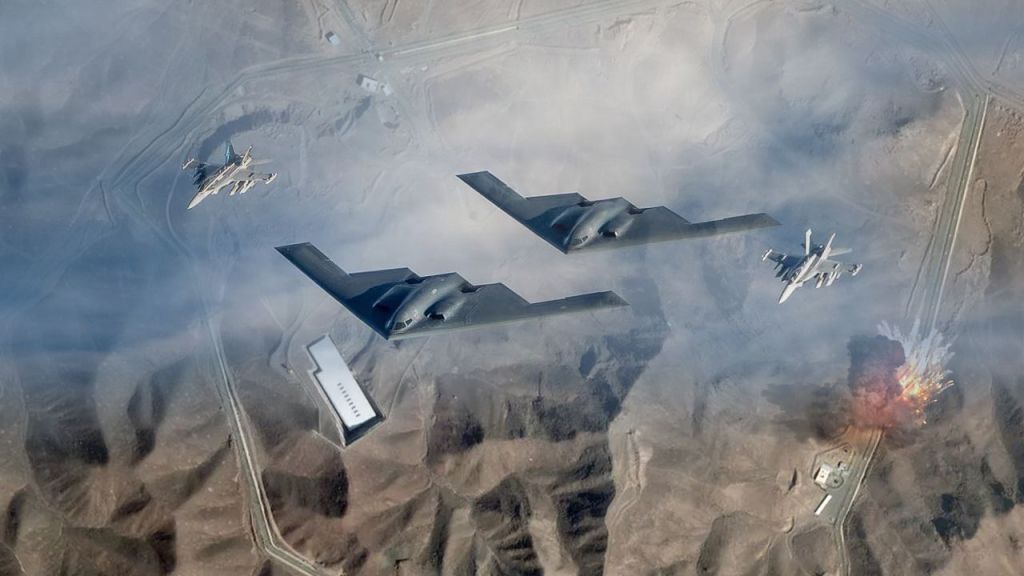
    Without U.S. bunker-busting bombs and broader logistical backing, the likelihood of Israel achieving full strategic success diminishes. Fordow, Iran’s underground uranium-enrichment site, may require American munitions to be fully neutralized.

    Tehran Holds Out While Bleeding

    Despite suffering the most severe military losses in over four decades, including the deaths of senior IRGC figures and architects of Iran’s missile programs, Iran continues to fire missiles into Israeli territory daily. Though Israel’s missile defenses are highly effective, Iran’s strategy appears focused on attrition—delaying Israel, raising its costs, and hoping global opinion shifts.

    Tehran’s objective is simple: survival of the regime and preservation of uranium enrichment capabilities. But the leadership understands that prolonged war could erode internal support. Supreme Leader Ayatollah Khamenei’s rule is already on fragile ground, and further pressure could cause a shift in internal power structures. The Islamic Revolutionary Guard Corps (IRGC), already dominant, could consolidate power if Khamenei falls or is taken out, potentially leading to a more militaristic and anti-Western government.

    Iran has also communicated through Gulf intermediaries that it remains open to diplomacy—but only if Washington stays out of the military conflict. Tehran’s goal is to prevent escalation into a full-scale war that draws in the United States, thereby shifting the burden entirely onto Israel.

    Analysis: Escalating Costs and the American Dilemma

    Israeli Prime Minister Netanyahu’s overarching strategy now hinges not only on degrading Iran’s military infrastructure but also on drawing in the United States to help achieve those objectives—financially and militarily. As the cost of war escalates—running into hundreds of millions of dollars daily due to interceptor missiles, aircraft operations, and extensive damage to infrastructure—Israel’s capacity to sustain an extended campaign is increasingly constrained.

    The longer this war drags on without direct U.S. involvement, the greater the toll on Israel’s economy, and the more likely it becomes that pressure will mount on Washington to step in. Since last week, Israel has deployed wave after wave of fighter jets into Iranian airspace, testing the strategic limits of what air power alone can achieve. But military history and current logistics suggest that without a ground component or American bunker-busting capabilities, some of Iran’s most fortified assets may remain beyond reach.

    The longer the U.S. holds back, the more strained Israel becomes—politically, economically, and militarily. Conversely, if the U.S. joins the conflict, it risks being dragged into yet another prolonged Middle East war with unpredictable costs to its own economy and strategic interests.

  • U.S. Look Poised to Join War on Iran While Trump Weighs Final Decision on Strikes

    6/19 – International News & Geopolitical Analysis

    As the war between Israel and Iran ragefully deepens, the United States is now inching closer to potential direct involvement. President Trump, after a series of internal deliberations, has allegedly privately approved detailed military strike plans against Iran but has withheld execution for now, reportedly to see whether Tehran backs off its nuclear ambitions.

    Iran’s Fordow enrichment site—a heavily fortified underground nuclear facility—has emerged as a prime target. Due to its fortified location beneath a mountain, military planners believe only America’s most advanced bunker-busting bombs could take it out.

    Trump, speaking in ambiguous terms, signaled that a major decision may be imminent, stressing that Iran would face serious consequences if it does not comply. At the same time, Iran’s Supreme Leader Ayatollah Ali Khamenei responded defiantly, vowing that his country would not surrender and warning of grave consequences should the U.S. intervene militarily.

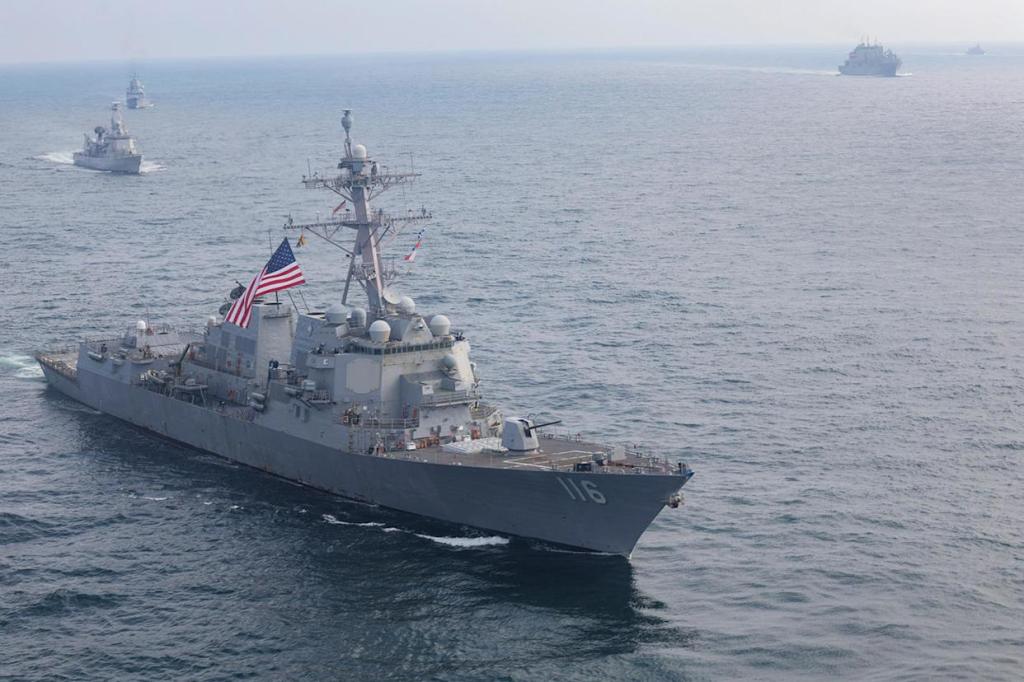
    Meanwhile, the U.S. military has quietly ramped up its regional posture. A third Navy destroyer has entered the eastern Mediterranean, while a second aircraft carrier strike group is en route to the Arabian Sea. Though the Pentagon maintains that this force buildup is defensive, the deployment significantly strengthens America’s ability to assist Israel or launch its own attacks, should the President give the order.

    The humanitarian toll of the conflict continues to climb. Iran has now suffered over 639 fatalities due to Israeli strikes, according to a prominent Iranian human rights organization. Among the dead are more than 250 civilians and 150 members of Iran’s security forces. Hospitals in Iran remain overwhelmed, with over 1,300 wounded and many still missing or unaccounted for.

    On the Israeli side, Iran’s missile retaliation has killed 24 people, while dozens more are being treated for injuries, especially in Tel Aviv and surrounding regions. U.S.-built air defense systems, along with Israel’s Iron Dome, have intercepted a majority of incoming projectiles, but not all.

    In response, Israel has intensified its bombardment, targeting Iranian military infrastructure across the country. According to the Israeli military, recent strikes destroyed eight Iranian attack helicopters, 40 missile-related facilities, and command centers believed to house key figures in Iran’s defense establishment.

    At the same time, the U.S. Embassy in Tel Aviv has begun organizing evacuation flights for American citizens, underscoring Washington’s expectation that the situation could deteriorate further in the coming days.

    Prime Minister Netanyahu has declared that Israel is steadily dismantling Iran’s nuclear weapons capability, moving “step by step” toward its long-stated goal. His forces have targeted not just facilities but also senior leadership figures within Iran’s military hierarchy, killing high-ranking commanders and nuclear scientists. One of the most significant targets hit was Mohammad Bagheri, Iran’s military Chief of Staff.

    While Israeli officials continue to avoid overt declarations of regime change, the cumulative effect of their strikes suggests a broader strategy aimed at destabilizing Iran’s military and political leadership.

    Trump Balances Pressure and Diplomacy

    Within the Trump administration, there is growing confidence that Iran is under immense strain. Though no final decision has been made, Washington is clearly prepared for escalation. Trump has publicly blamed Iran for wasting diplomatic opportunities and warned that further intransigence would bring destruction. Yet, even amid the turmoil, the factions of the administration insist that diplomacy remains an option.

    That meeting is now in doubt. Iran accuses the U.S. of enabling Israel’s attack, while American officials deny direct involvement. Nevertheless, the timing of Israel’s airstrikes—just days before the scheduled talks—has raised suspicions that diplomacy may have been a smokescreen to catch Iran off-guard all along and that the U.S. has been in on this from the start.

    Senior U.S. diplomats maintain that the door to negotiations is still open, but the chances of a breakthrough are fading rapidly. Some analysts suggest that Israel’s operation has irreparably altered the diplomatic landscape, potentially forcing Iran to abandon talks altogether.

    Allies such as Saudi Arabia and the Gulf states have condemned the strikes, fearing regional blowback and potential Iranian retaliation against their infrastructure.

    Despite Iran’s weakened state, its ability to respond remains potent. In recent days, Iran has launched multiple waves of drones and missiles, some of which reached Israeli airspace. Tehran also retains the capacity to activate proxies like Hezbollah, the Houthis, and Shiite militias, posing serious risks to American bases, shipping lanes, and allied nations.

    Compounding the uncertainty is the possibility that Israel’s current campaign may not be sufficient to permanently halt Iran’s nuclear ambitions. Deep underground sites like Fordow may survive aerial bombardment, while Iran’s scientific expertise and stockpiles of enriched uranium remain largely untouched. Should Israel fall short and the program resume, it may return stronger, more covert, and harder to target.

    Analysis:

    From Washington’s perspective, Trump faces a delicate balancing act. His administration’s posture must be strong enough to deter further Iranian escalation without crossing a line that leads to an uncontrollable regional war. The ambiguity in U.S. policy—supporting Israel while publicly distancing itself from military action—may serve short-term interests but could become unsustainable if the conflict widens.

    This moment, then, marks a dangerous crossroads. The region teeters between a tenuous diplomatic window and a full-blown regional conflict involving the United States and other possible actors. The coming days will reveal whether brutal force or diplomacy will shape the next phase of the Middle East’s most dangerous rivalry.

  • Iran Open to Diplomacy if U.S. Stays out of Conflict

    6/17 – Geopolitical News & Diplomacy Updates

    As Israeli jets continue to pound targets across Iran, diplomatic backchannels have begun to stir in an attempt to de-escalate a war that many now fear could spiral beyond containment. Reports have come out that Iran has been sending urgent signals through Arab intermediaries to both Israel and the United States, expressing a willingness to resume nuclear negotiations—provided Washington does not join the attacks.

    Iran’s leadership has conveyed messages through Gulf and European channels, emphasizing that de-escalation and a return to talks are possible if the U.S. refrains from active military involvement. Tehran has specifically urged Israel to keep the conflict contained, signaling that a broader war would be in neither side’s interest. These messages have been received by both Jerusalem and Washington, but have so far had little impact on Israel’s posture and relentless bombardment.

    Israel Presses Its Advantage

    Israeli Prime Minister Benjamin Netanyahu, buoyed by military momentum and minimal domestic resistance, has given no indication of slowing the campaign. Backed by President Trump, who has signaled approval of Israel’s actions and blamed Iran for failing to seize diplomatic opportunities earlier, Netanyahu has publicly stated that strikes will continue until Iran’s nuclear and ballistic missile capabilities are neutralized.

    According to Israeli defense officials, the current operation is designed to last at least two weeks, with a focus on degrading Iran’s military leadership and nuclear infrastructure. Airstrikes have already claimed the lives of senior Iranian military leaders, including key figures in the air force, and inflicted limited damage on several nuclear-related sites. However, analysts caution that destroying Iran’s deeply buried facilities may require larger sustained attacks and possibly American bunker-busting munitions.

    Despite these heavy strikes, Iran’s enrichment capabilities remain largely intact. There could at this point be reason to suspect that Israel’s larger goal underpinning this offensive would be to topple Iran’s adversarial government entirely. Netanyahu has not officially called for regime change, but Israeli officials acknowledge it could become a byproduct of prolonged military pressure.

    Iran Tries to Balance Deterrence With Diplomacy

    Iran has made it clear to Arab interlocutors that it will not cease retaliatory strikes unless Israel halts its attacks. Tehran continues to frame its military responses as necessary to preserve deterrence, even as it considers broader retaliation if diplomacy definitively collapses.

    Iranian officials are reportedly betting that Israel lacks a sustainable exit strategy and will eventually have to accept a negotiated solution. They see Israel’s long-term military effectiveness as constrained without U.S. intervention—especially against hardened nuclear sites—and are gambling that Washington will prefer talks over escalation.

    Gulf nations, including Saudi Arabia, Oman, and Qatar, are increasingly concerned by the conflict’s trajectory. These states have urged the U.S. to pressure Israel into halting its campaign, warning that the war could engulf the broader region. Their energy infrastructures, located within missile range, are at heightened risk, and any disruption could have profound consequences for global oil markets.

    Israel’s calculations appear rooted in a belief that it has a narrow window of opportunity to significantly degrade Iran’s nuclear ambitions before Tehran becomes immune to airstrikes. The strikes aim to inflict maximum disruption now, rather than rely on uncertain diplomatic outcomes. However, Tehran’s resilience and its ability to rebuild or retaliate through proxy forces like Hezbollah, the Houthis, or Shiite militias in Iraq pose longer-term threats that no air campaign can fully eliminate.

    Meanwhile, Iran’s strategy seems to be twofold: preserve national dignity by responding to Israeli aggression while keeping open the possibility of diplomatic re-entry. Tehran seeks to avoid direct confrontation with the U.S. military, which it views as potentially decisive, while hoping international pressure forces Israel to stand down.

    Analysis:

    Netanyahu’s audacious strikes may yield temporary advantage, but they carry enormous risks. Iran’s nuclear knowledge cannot be bombed out of existence. Even if facilities are damaged, the scientific and technical infrastructure remains. Any pause in enrichment today could be reversed tomorrow, and retaliation—whether direct or asymmetric—is a near certainty.

    Israel’s persistent refusal to de-escalate its strikes—despite mounting international pressure, rising civilian casualties, and signs of Iranian willingness to resume nuclear talks—appears increasingly driven by a perception in Tel Aviv that the current moment presents a rare and fleeting strategic opportunity to deal a decisive blow to Iran’s regime itself.

    While officials publicly frame the operation as necessary to dismantle Iran’s nuclear capabilities, the precision and focus of Israel’s missile campaign—targeting top military leaders, intelligence figures, and key command centers—suggest a broader aim. The nature of these strikes, coupled with Israeli leaders’ escalating rhetoric, implies that regime change, though not officially declared, is a tacit objective.

    With Iran’s internal stability already eroded by economic turmoil and weakened regional influence, Israeli strategists may believe that pushing theocratic leadership past a tipping point is achievable now—especially before outside powers, including the U.S., impose constraints or push for diplomatic off-ramps. In this context, Israel’s urgency isn’t just about halting a nuclear program; it’s about rewriting the regional balance of power while the window remains open.

    Iran’s current diplomatic overtures are less a sign of surrender than a calculated move to split Israel from the U.S. While Trump has embraced the Israeli operation rhetorically, the ambiguity around deeper U.S. involvement remains a strategic pivot point. Should American forces enter the fray, the region could plunge into a multi-theater war with devastating global implications.

  • Baltic States Prepare For Looming Russian Threat

    6/16 – Geopolitical News & Analysis

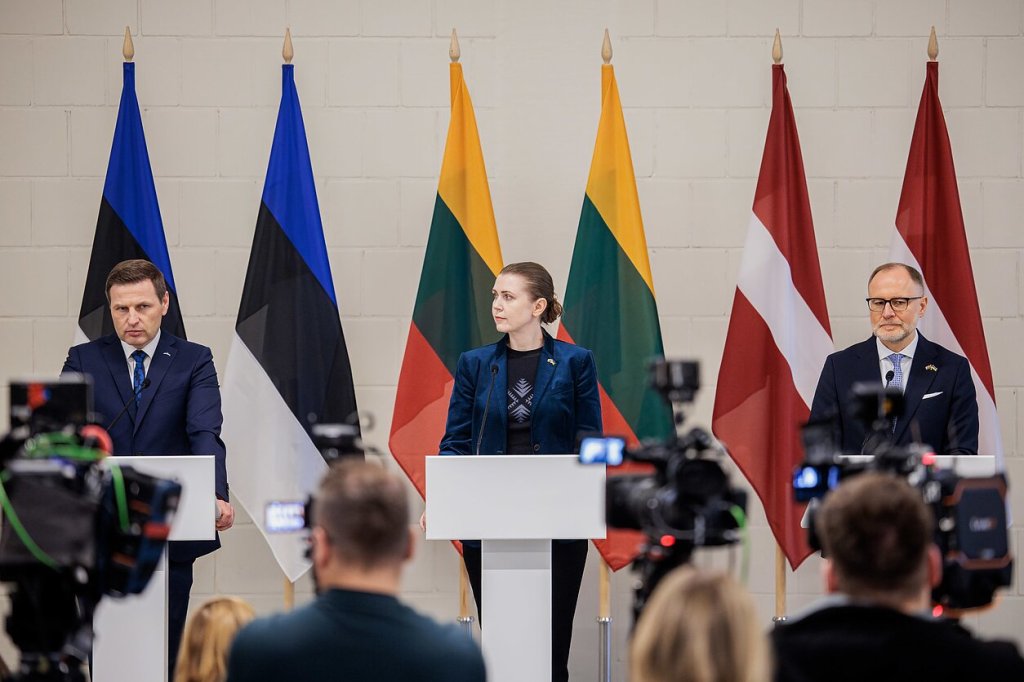
    In a coordinated response to rising regional security concerns, the Baltic nations of Lithuania, Latvia, and Estonia signed a landmark agreement on Friday committing to joint planning for mass evacuations. This trilateral initiative underscores the growing unease across Eastern Europe as Russia, under President Vladimir Putin, continues its military aggression against Ukraine and signals broader ambitions that deeply worry neighboring states.

    The new agreement formalizes the intention of the three Baltic states to unify their approach to crisis response and evacuation logistics in the event of an emergency triggered by regional instability or military aggression. The coordinated plan includes data-sharing mechanisms on evacuation capacities, the status of critical border crossings, and the identification of safe evacuation corridors. A key element of the pact is the focus on protecting vulnerable populations, ensuring no one is left behind in the event of a large-scale civilian movement.

    The Baltic interior ministers emphasized the need for precise protocols and fast, reliable information exchange. Officials believe these procedures will help avoid disorganized responses and widespread panic should a crisis unfold. Their goal is to create a robust framework that can be activated swiftly, mitigating chaos and maximizing civilian protection.

    This development comes ahead of the upcoming “Zapad 2025” military exercises — joint war games scheduled for September between Russia and Belarus in Belarusian territory. These drills have become a source of anxiety among NATO members and regional leaders, many of whom recall that similar exercises in 2021 preceded Russia’s full-scale invasion of Ukraine. Observers fear that Zapad 2025 may serve as a smokescreen for yet another round of military escalation.

    The Baltic evacuation agreement is part of a broader European initiative to bolster civil protection and resilience in the face of mounting threats. In late May, a separate joint declaration was issued by the interior and civil protection ministers from eight EU countries, including the three Baltic states, alongside Belgium, Luxembourg, the Netherlands, Finland, and Sweden. This wider coalition called for urgent investment in national and EU-level preparedness.

    Their statement highlighted the crucial role of civil protection in modern security strategy. It argued that military readiness alone is insufficient for ensuring national security; countries must also develop robust systems to preserve internal order and respond swiftly to both conventional and unconventional threats. These could range from cyberattacks and disinformation campaigns to sabotage of critical infrastructure or mass displacement caused by war.

    The ministers emphasized that building resilience is not just about state capacity but also about empowering citizens to be part of the response. Public education campaigns, transparent communication strategies, and well-rehearsed emergency procedures are all necessary components of a resilient civil society.

    In contrast to the more measured pace of broader EU civil preparedness initiatives, the Baltic pact reflects the urgency felt by countries on NATO’s eastern flank. For them, the threat is not hypothetical; it is grounded in historical memory and present-day proximity to an increasingly assertive Russia.

  • Iran Strikes Back as Conflict With Israel Escalates Quickly

    6/13 – International News & Geopolitical Updates

    8:05 PM ET – FRIDAY JUNE 13, 2025

    Iran has launched a large-scale retaliatory missile strike on Israel in response to Israel’s overnight air raids targeting Iranian nuclear and military sites, as well as a parallel intelligence operation that assassinated most of Iran’s top military commanders and scientists. Military operations between both nations are currently ramping up, and here’s what we know so far as things heat up in the Middle East:

    Iran’s UN ambassador reports that 78 people killed and over 320 injured in the Israeli attacks.

    According to Iranian state media, hundreds of ballistic missiles were fired at Israeli territory. The Israeli Defense Forces confirmed that dozens of these missiles were intercepted—many with the aid of U.S. air defense systems—but not all were stopped. At least 40 civilians in Tel Aviv and surrounding areas are being treated for injuries. Sirens and explosions have been reported in multiple Israeli cities, including Jerusalem, indicating that a second wave of Iranian attacks may be underway.

    The Israeli military responded swiftly with fresh strikes on Iranian launch infrastructure, targeting missile sites and command facilities.

    Nuclear Facility Hit, Iranian Leadership Targeted

    The International Atomic Energy Agency confirmed that Israel’s initial strike destroyed the above-ground sections of Iran’s primary nuclear enrichment site in Natanz. Israel also reportedly killed several senior Iranian military figures, including Chief of Staff Mohammad Bagheri, in targeted strikes on facilities associated with the nuclear weapons program.

    Iran’s Supreme Leader, Ayatollah Ali Khamenei, issued a recorded statement vowing harsh and sustained retaliation. Iranian officials have stated that the regime considers Israel’s attacks to be acts of war and will respond “in kind and beyond.”

    Oil markets reacted immediately to the instability, with prices surging over 7% and global equities dropping sharply. The Dow Jones fell 1.8% amid fears of broader conflict in the region and disruptions to oil supply through the Strait of Hormuz.

    President Trump’s Comments

    President Donald Trump, whose administration had been engaged in nuclear negotiations with Iran just hours before the Israeli strike, defended the assault on social media, stating, “I gave Iran a chance to make a deal, they just couldn’t get it done.” He urged Tehran to return to talks “before there is nothing left.”

    The Israeli airstrikes came ahead of a planned sixth round of negotiations between Trump’s envoy, Steve Witkoff, and Iranian counterparts in Oman. That meeting is now in jeopardy, with Tehran accusing the U.S. of complicity in Israel’s attack. Although Secretary of State Marco Rubio denied direct U.S. involvement, he emphasized America’s commitment to Israel’s defense.

    International Warnings

    The Kremlin condemned Israel’s actions as a “dramatic escalation,” while Saudi Arabia accused Israel of “blatant aggression.” IAEA Director General Rafael Grossi called the situation “deeply concerning,” urging all parties to show maximum restraint.

    Meanwhile, Israeli Prime Minister Benjamin Netanyahu, in a public address, defended the attacks as essential for national survival. He claimed Iran was close to developing a deployable nuclear weapon and argued that time had run out for diplomacy. Netanyahu called on Iranian citizens to oppose their government, declaring in Farsi and English that “Iran’s regime has never been weaker.”

    Defense Minister Israel Katz said that Iran’s missile strikes on Israeli civilian areas had crossed a red line and vowed that the Islamic Republic would “pay a very heavy price.”

    Analysis: A Dangerous Gamble with Global Consequences

    Israel’s air campaign has delivered a devastating blow to Iran’s nuclear infrastructure and leadership, potentially buying time in the race to prevent a nuclear-armed Iran. However, the risk of regional war has dramatically increased and we are all but there at this point. Iranian proxies, including the Houthis in Yemen and militias in Iraq and Syria, may now be mobilized to strike U.S. and allied interests across the region.

    The Trump administration had pursued diplomacy as a primary strategy, with the Oman talks seen as a last chance to contain the crisis. Now, with the diplomatic track derailed and missiles flying, the U.S. faces the real prospect of being drawn deeper into yet another major Middle Eastern war— with potential to be the most devastating one yet.

    While some Israeli officials argue the strike was necessary and possibly preemptive, others acknowledge that if Iran rebuilds, the region could enter a cycle of recurring war. Intelligence analysts warn that even if current nuclear facilities are crippled, Iran retains the knowledge and material to restart its program—potentially more covertly and with greater determination.

    The comprehensive risk of this is that Israel might see this as a chance and reason to press on until their strategic goals are entirely achieved— aka total capitulation and/or defeat of the Iranian regime.

    As the situation unfolds, global leaders now watch closely to see whether this dramatic exchange triggers broader conflict—or opens a narrow, dangerous path toward a new geopolitical order.

  • War With Iran Looms as Nuclear Diplomacy Frays

    6/13 – International News & Diplomacy Updates

    *NOTE: This story was written and edited early on June 12th, 2025, just hours before Israel carried out airstrikes on Iran. This escalation rendered many of the speculations in this article obsolete. We have decided to publish this story anyway to provide context on how quickly the geopolitical landscape of the region has shifted.

    —> Amid deepening instability across the Middle East, the Iranian nuclear standoff has entered a perilous new phase, raising fears that the region could soon descend into a large-scale conflict. On Thursday, the International Atomic Energy Agency (IAEA) formally declared Iran in breach of its nuclear non-proliferation obligations for the first time in nearly 20 years. The announcement came just days before a scheduled round of U.S.-Iran nuclear talks in Oman and sparked a swift, defiant response from Tehran—including new nuclear developments and military maneuvers that have alarmed both Washington and Tel Aviv.

    The IAEA’s Board of Governors passed a censure resolution against Iran, citing years of evasive behavior, unexplained nuclear materials at undeclared sites, and Tehran’s ongoing refusal to allow full transparency into its program. This resolution, backed by the U.S., France, Germany, and the U.K., comes amid mounting evidence of Iran’s effort to expand its nuclear infrastructure in ways that suggest military potential.

    Iran responded by announcing it would construct a third uranium enrichment facility at a secret, secure location. At the same time, it revealed plans to upgrade centrifuges at its Fordow facility from first-generation to sixth-generation models, significantly boosting its capacity to produce enriched uranium. While Iran maintains that its program is purely for peaceful purposes—such as energy production and medical isotopes—its current enrichment level of 60% brings it dangerously close to the 90% threshold required for a nuclear weapon.

    Washington and Tel Aviv on High Alert

    These developments arrive as the Trump administration prepares for high-stakes nuclear talks in Oman this weekend, amid growing concerns in U.S. intelligence circles that Israel may be preparing to launch a military strike against Iran’s nuclear sites. While Israeli officials have not confirmed any decision, military preparations have reportedly accelerated, and Israeli leaders are expected to meet with U.S. envoy Steve Witkoff in the days ahead to clarify their position.

    President Donald Trump, now leading U.S. foreign policy again, warned Israel against premature military action but admitted a strike “could very well happen.” Simultaneously, the U.S. has begun partial evacuations of diplomatic staff in Iraq and other Middle Eastern outposts, signaling growing anticipation of conflict.

    Tehran Doubles Down

    Inside Iran, the response has been one of defiance and preparation. President Masoud Pezeshkian rejected what he called “American coercion,” pointing to Iran’s endurance during its eight-year war with Iraq as proof of national resilience. Senior Iranian military officials, including Islamic Revolutionary Guard Corps (IRGC) commander Hossein Salami, vowed devastating retaliation for any Israeli strike—promising a response that would surpass previous missile exchanges between the two countries.

    Iran initiated early military exercises involving missiles, drones, and special forces units. Defense Minister Aziz Nasirzadeh confirmed the successful launch of a 2,000kg warhead ballistic missile and declared that U.S. military bases across the region would be considered legitimate targets in the event of war.

    In a display of nationalism, authorities in Tehran erected a giant sculpture of Arash Kamangir—an Iranian mythological figure known for sacrificing himself to establish the nation’s borders. While some celebrated the statue as a symbol of pride and resistance, others criticized it as a political gesture aimed at stoking patriotism in preparation for conflict.

    At the heart of the diplomatic deadlock lies the issue of uranium enrichment. The 2015 nuclear deal limited Iran to 3.67% enrichment, but since its collapse following the U.S. withdrawal in 2018, Iran has dramatically escalated its nuclear activities. Trump and his administration are now demanding “zero enrichment” as a prerequisite for any new agreement—a stance Tehran has flatly rejected.

    Iran recently turned down a U.S. proposal reflecting that zero-enrichment demand and is expected to present a counteroffer during talks in Muscat. Meanwhile, discussions of a potential nuclear consortium involving Iran’s neighbors have failed to yield any breakthroughs.

    The IAEA’s latest report further highlights longstanding concerns about Iran’s opaque nuclear behavior. The agency has uncovered patterns of site sanitization, evidence destruction, and deliberate obstruction of inspections. At sites like Marivan and Turquzabad, Iran reportedly conducted nuclear weapons-related tests and then demolished facilities once the IAEA requested access.

    The report paints a picture of a systematic, structured, and clandestine nuclear program. It also raises concerns about the possibility of a second secret enrichment site in the mountainous region of Natanz, which, combined with Fordow, could significantly reduce the time needed for a nuclear breakout.

    Analysis: The Edge of a Wider War

    The international response to Iran’s nuclear defiance will determine whether the world can still enforce the rules of the Non-Proliferation Treaty or whether a dangerous new era of nuclear brinkmanship is underway.

    Iran’s current trajectory suggests that it is betting on the West’s reluctance to act. By advancing its nuclear capabilities while engaging in diplomacy, Tehran appears to be hedging its bets—strengthening its position for future negotiations or preparing for confrontation if talks collapse. The calculated unveiling of new military assets and nuclear infrastructure sends a message: Iran is prepared to endure sanctions and fight if necessary.

    Meanwhile, the U.S. administration faces a credibility test. Its insistence on zero enrichment, while consistent with past rhetoric, increasingly appears unachievable under current conditions. Trump’s mixed signals—combining diplomatic outreach with troop withdrawals and military threats—create confusion among allies and adversaries alike.

    For Israel, the stakes could not be higher. With every advancement in Iran’s nuclear program, the strategic window to act narrows. A unilateral Israeli strike, however, would almost certainly ignite a regional war, pull in American forces, and destabilize global energy markets. It would also risk fragmenting the international coalition still trying to bring Iran back into compliance through diplomacy.

    The Muscat talks may be the final opportunity to halt the slide into open war. If no progress is made, the Middle East could face its most destructive conflict in decades—one that would pit Israel against a large and well-armed adversary, with U.S. assets in the region almost inevitably drawn into the fight.

    The potential for miscalculation is immense. The hope is that diplomacy prevails. The fear is that the window is closing.

  • BREAKING: Israel Strikes Iran Amid Nuclear Talks

    June 12, 2025 – International Update & Geopolitical Analysis

    Breaking: Israel Launches Airstrikes on Iran, Marking Start of Open Conflict

    9:30 PM ET — Middle East Crisis Deepens as Diplomacy Collapses

    In a development that marks a dramatic turning point in the Iran nuclear standoff, Israel has officially launched military strikes against Iranian territory. The offensive began roughly 30 minutes ago, confirmed by Israeli defense authorities, and appears to target key strategic installations believed to be connected to Iran’s nuclear program.

    The attack, which comes just hours before a planned round of U.S.-Iran nuclear negotiations in Muscat, Oman, effectively obliterates the last viable track for a diplomatic resolution. Multiple videos circulating from Iranian sources show smoke plumes rising from suspected military zones. Though the exact targets have yet to be confirmed, early indicators suggest that the strikes were precise, possibly focused on enrichment sites and military logistics hubs.

    Israeli officials are now bracing for what their own defense minister has described as “days of battle.” Heightened alert has been issued across major Israeli cities and critical infrastructure. Defense readiness protocols have been activated nationwide.

    Washington Blindsided Amid Peace Push

    The timing of the strikes is particularly jarring given recent statements from President Donald Trump, who just hours ago reiterated his desire for a diplomatic resolution with Tehran. Trump, addressing reporters in Washington, emphasized his administration’s preference for a peaceful settlement, even warning Israel against unilateral action that could jeopardize negotiations.

    His words—“I would rather that they [the Israelis] don’t go in”—were seen by some as a direct signal of restraint to Tel Aviv. Nevertheless, the Israeli government appears to have disregarded this message entirely, moving forward with a military option that may now irrevocably commit the region, and the United States, to a broader conflict.

    A senior Trump administration official confirmed that U.S. personnel had been partially evacuated from multiple Middle Eastern outposts in the preceding 24 hours, suggesting Washington may have anticipated the strike but failed to deter it. Intelligence sources now believe that Israel’s action was designed not just to halt Iran’s nuclear ambitions, but also to preempt any potential U.S.-Iran rapprochement.

    Geopolitical Fallout: A Crisis Unleashed

    Iranian leaders have yet to issue a formal statement, but senior Revolutionary Guard commanders had long vowed retaliation for any strike on their soil. U.S. intelligence assessments, relayed in a briefing to the Senate earlier today by White House envoy Steve Witkoff, warned that any Israeli attack would almost certainly prompt Iranian retaliation against both Israeli and American assets.

    Witkoff specifically highlighted Iran’s ballistic missile capability, citing over 2,000 projectiles capable of delivering 2,000-pound warheads. Israel, according to the same intelligence, may not have the air defense capacity to fully repel such a barrage, raising fears of mass casualties and regional escalation.

    Iran has consistently stated that any strike on its nuclear facilities would be interpreted as a declaration of war, triggering immediate and overwhelming retaliation. Israeli cities and U.S. military installations across the region are believed to be potential targets. Analysts now fear the possibility of multiple fronts opening in Lebanon, Syria, Iraq, and potentially the Gulf.

    Diplomacy Crushed, War Inevitable?

    Until this evening, there was guarded optimism that upcoming talks in Muscat might provide a pathway to de-escalation. Steve Witkoff had emphasized a narrowing but real opportunity to reach a new agreement—one that would limit uranium enrichment and restore inspection access to the International Atomic Energy Agency (IAEA). That optimism has now been eclipsed by the reality of Israeli bombs falling on Iranian territory.

    Critics argue that Israel’s decision reflects a broader loss of faith in multilateral diplomacy. With the IAEA’s recent censure of Iran and growing evidence of clandestine weapons activity, Tel Aviv viewed the moment as a point of no return. Yet the costs of this choice are already mounting, as markets react and military assets mobilize on all sides.

    Analysis: A Precipice of Global Conflict

    This is the most dangerous escalation in the Middle East since the 2003 U.S. invasion of Iraq—and potentially even more destabilizing. It arrives at a moment when the global system is already strained by conflict in Ukraine, geopolitical tensions in East Asia, and fractured trust in international institutions.

    Israel’s move to strike Iran, just hours after U.S. diplomatic overtures, is more than a military operation—it is a geopolitical rupture. It challenges Washington’s authority, undercuts ongoing negotiations, and potentially drags NATO allies into a widening regional war.

    While some U.S. officials believe the Trump administration may have offered tacit intelligence support, others insist this was a rogue move by a close but defiant ally. Either way, the fallout is now Washington’s to manage. American troops in the region are at elevated risk. Energy markets are on edge. And the broader world faces the very real threat of a drawn-out and devastating conflict.

    If retaliation unfolds as expected, the United States may find itself pulled further into another Middle Eastern war—despite repeated public avowals to the contrary. The coming days will determine whether this conflict can be contained or whether it marks the start of a new, and possibly generational, regional war.

  • International Security Brief

    June 12, 2025 – Geopolitical Updates & Analysis

    Israel Prepares for Potential Strike on Iran Amid Nuclear Concerns

    Israel appears to be preparing for a potential military strike on Iran, a move that could escalate tensions in the Middle East and complicate U.S. diplomatic efforts to prevent Iran from developing nuclear weapons. Israeli officials have seen a moment of vulnerability in Iran’s nuclear program and have pressed for action, but U.S. President Trump previously blocked such a move, preferring to pursue a diplomatic route. However, after Iran rejected a U.S. proposal to curb uranium enrichment, Trump has become less optimistic about a deal. In response to rising tensions, the U.S. has authorized the withdrawal of diplomats from Iraq and allowed U.S. military families to leave the region. The situation remains volatile, with the possibility of military retaliation from Iran if Israel strikes.

    Iran has prepared its own response, including potentially launching hundreds of ballistic missiles at Israel. Meanwhile, U.S. military officials have been discussing options for further action, though the possibility of military confrontation continues to be a delicate issue. Tensions are further heightened by the potential reimposition of sanctions on Iran due to its violations of the 2015 nuclear deal, which could provoke stronger reactions from Tehran.

    Israel’s concern is fueled by Iran’s advancing nuclear capabilities, with analysts noting that Iran is nearing the ability to produce enough nuclear material for up to ten weapons. While Israel has decimated Iranian-backed groups like Hezbollah and Hamas, Iran’s air defenses are reportedly being restored, making any Israeli strike increasingly risky. Furthermore, it remains uncertain whether Israel can inflict significant damage to Iran’s nuclear program without U.S. military support. The situation has the potential to disrupt oil supplies and create wider regional instability, with U.S. military assets already deployed in the area, including aircraft and a naval carrier.

    IAEA Censures Iran Over Nuclear Noncompliance Amid Rising Tensions and Diplomatic Efforts

    The International Atomic Energy Agency (IAEA) issued a resolution against Iran on Thursday, marking the first time in 20 years the U.N. watchdog has censured the country. The resolution, which passed with 19 votes in favor, criticizes Iran for failing to provide crucial information about undeclared nuclear material and activities. This development comes amid rising tensions, with Israel possibly preparing a military strike against Iran. Iran has responded angrily, condemning the vote as political and threatening to further expand its nuclear program, including the installation of more advanced enrichment equipment.

    Despite Iran’s rejection, the resolution was part of broader diplomatic efforts to curb Iran’s nuclear activities. Negotiations between the U.S. and Iran are ongoing in Oman, with both sides focused on limiting Iran’s uranium enrichment in exchange for civilian nuclear assistance. However, Iran maintains it will not abandon its right to enrichment. While the U.S. has expressed optimism about the talks, President Trump noted that he is “less confident” about a deal, citing delays in Iran’s responses.

    The IAEA resolution does not immediately escalate the situation by referring Iran to the U.N. Security Council for additional sanctions. However, continued noncompliance could trigger the re-imposition of the harsh economic sanctions lifted under the 2015 nuclear deal. If these sanctions are reinstated, they would severely impact Iran’s economy and restrict its nuclear activities. Iran’s nuclear ambitions and the potential for military escalation remain critical points in the ongoing geopolitical standoff.

    Pentagon Reviews Aukus Pact Amid Submarine Delays and Rising China Tensions

    The Pentagon is reviewing the Aukus defense pact between the U.S., U.K., and Australia, raising uncertainty about the future of the alliance. Signed in 2021, Aukus aimed to equip Australia with nuclear-powered submarines, enhance cooperation on advanced technologies like hypersonic missiles and quantum computing, and strengthen defense against China’s growing presence in the Indo-Pacific. However, the U.S. faces challenges in its own nuclear submarine production, leading to concerns about whether it can fulfill its commitments to Australia. U.S. officials are also scrutinizing the deal to ensure it aligns with the “America First” agenda and increases military readiness.

    The partnership has also faced delays in technology development and concerns over export controls. As a result, there are pressures on Australia to increase military spending, with the U.S. urging a boost to 3.5% of GDP. Despite these challenges, Australian leaders, including Prime Minister Albanese, have expressed confidence in the deal’s future, emphasizing the importance of nuclear-powered submarines for Australia’s defense. Even if the U.S. pulls back, the U.K. and Australia could continue developing new submarines independently.

    The timing of the review is especially sensitive, as the U.S. and Australia prepare for joint military exercises next month. Tensions with China remain high, and the Aukus pact is seen as a crucial part of countering Chinese influence in the Pacific. However, internal criticism in Australia and a shift in government priorities have raised questions about the long-term commitment to the agreement, even as public support for acquiring nuclear-powered submarines remains strong.

    China’s Military Show of Force Near Japan Signals Growing Maritime Ambitions

    Over the weekend, Chinese jet fighters closely tailed Japanese military patrol aircraft in two separate incidents, signaling China’s growing maritime ambitions and willingness to challenge U.S. allies in Asia. The encounters occurred as Chinese military activity escalated in the Western Pacific. Two Chinese aircraft carriers, the Shandong and Liaoning, along with seven warships, ventured into waters east of Japan’s Iwo Jima for the first time, drawing concern from Japanese officials. In one incident, a Chinese J-15 jet closely followed a Japanese patrol plane for 40 minutes, at one point coming within just 150 feet of the aircraft.

    The Japanese Ministry of Defense expressed serious concern, warning that such close encounters could lead to accidental collisions, though no damage occurred. In response, China’s Foreign Ministry stated that Japan’s reconnaissance actions were the root cause, urging Japan to stop its “dangerous behavior.” These risky intercepts are not new—similar incidents have been reported involving Chinese fighters and military aircraft from Canada and the U.S. in recent years. The increased Chinese military presence is part of Beijing’s broader efforts to expand its maritime reach, particularly around Taiwan, which China views as a critical target.

    The incidents are part of a wider trend of military escalation in the region. In February and March, Chinese naval ships conducted operations around Australia, while this weekend marked the first time both of China’s aircraft carriers operated near Japan. As China continues its military modernization with an eye on Taiwan, U.S. officials remain focused on strengthening regional security partnerships, particularly with Japan, to counter China’s growing military assertiveness.

  • NATO Calls for Military Spending Hike Amid Russian Threat

    6/11 – International News & Geopolitical Analysis

    NATO Secretary-General Mark Rutte issued a stark warning to alliance members this week, emphasizing that Russia may be preparing for military confrontation with NATO within the next five years. In a pointed speech delivered in London, Rutte underscored the pressing need for a dramatic surge in defense spending and weapon production across the alliance. He argued that even if the war in Ukraine were to end soon, the broader geopolitical threat posed by Russia would remain.

    Rutte, recently appointed NATO chief and formerly the prime minister of the Netherlands, is leading the alliance at a moment of deep strategic uncertainty. His remarks come ahead of a critical NATO summit in The Hague, where U.S. President Donald Trump is expected to reassert his controversial vision of transatlantic defense cooperation. Trump, a vocal critic of European defense spending, is likely to push for a bold new funding goal: a 5% of GDP benchmark for defense, with 3.5% earmarked for direct military expenditures and the remaining 1.5% for ancillary defense-related investments.

    The proposed target marks a substantial increase from the current 2% standard—a goal only recently met by countries like Italy and Spain, more than a decade after its introduction. Some NATO states, particularly those on the alliance’s southern flank, have been slow to ramp up their military capabilities, often arguing that Russia poses no direct threat to their national security. Convincing countries like Spain to endorse the new objective has proven difficult, though they are now expected to support the initiative without vetoing it.

    Rutte’s warning was backed by new internal assessments approved by NATO defense ministers, which outline capability targets necessary to implement regional defense plans. Though the details are classified, priorities reportedly include bolstering air and missile defenses, expanding land force formations, and enhancing logistics and long-range strike capabilities.

    Rutte painted a sobering picture of NATO’s readiness by emphasizing the fact that Russia manages to produce in three months the volume of ammunition NATO produces in a year. Throughout their 3 year war in Ukraine, Russia has transformed itself into a well-oiled war economy, whereas the Transatlantic alliance’s current supply chains are ill-equipped for sustained conflict. To bridge the gap, NATO aims to acquire thousands of additional tanks and armored vehicles, millions more artillery shells, and double support infrastructure such as logistics, transportation, and medical services. Plans are underway to procure hundreds of warships, drones, long-range missiles, and over 700 U.S.-made F-35 fighter jets.

    This ambitious rearmament push is being met with cautious optimism. While front-line states like Poland and the Baltic nations have already committed over 4% of GDP to defense, other members—particularly in Western Europe and North America—face criticism for lagging behind. Notably, the U.S., once a pillar of NATO military spending, now allocates a smaller share of its GDP to defense than it did in 2014, raising some eyebrows even as it pushes allies to spend more.

    Trump’s proposed 5% benchmark is designed to address this imbalance. However, his administration’s own defense budgeting has shown signs of inconsistency. While a $150 billion injection into the Pentagon is included in the current spending bill, projections for fiscal year 2026 suggest a potential decline in defense outlays when adjusted for inflation.

    The broader strategic calculus underpinning these developments is rooted in fears of a future Russian assault on NATO soil. Intelligence assessments have increasingly concluded that Moscow could shift its war machine toward a new front in Europe once the war in Ukraine winds down. The Kremlin’s production of artillery, missile systems, and armored vehicles has skyrocketed, fueling speculation that Russia may be positioning itself for a confrontation with NATO.

    Rutte’s warning that the entire alliance now resides on the “eastern flank” reflects a shift in thinking among European leaders, who had long considered Russian aggression a localized issue. The war in Ukraine has fundamentally altered those assumptions, and NATO is responding with a new urgency.

    Yet for all the planning and investment, questions persist about the alliance’s cohesion. Trump’s return to the diplomatic arena brings both opportunity and risk. While his administration has signaled a desire to see NATO take more responsibility for its own defense, critics argue that this may be code for a gradual American retreat. European officials are working to ensure that any pivot by the U.S. toward Asia, particularly in light of rising tensions with China, does not leave Europe exposed.

    Analysis:

    The NATO alliance is undergoing a transformation as it confronts the realities of modern warfare and great-power rivalry. Rutte’s address marked a pivotal moment in the strategic reawakening of Europe, urging allies to accept that security can no longer be taken for granted.

    The 5% defense target, long considered politically untenable, now appears to be within reach—driven by the combination of Russian aggression and Trump’s pressure tactics. However, this shift comes with risks. A surge in defense spending without a corresponding long-term strategy could result in wasteful procurement and public backlash. Moreover, if NATO members see increased investment as a replacement for U.S. commitment rather than a supplement, the alliance’s unity could fray.

    There’s also the question of sustainability. While high levels of defense spending may be justified amid current threats, maintaining those levels over decades will challenge governments already grappling with post-pandemic debt, social demands, and declining welfare provisions.

    Still, the urgency cannot be ignored. As Rutte noted, Russia’s wartime economy—though dwarfed in size by NATO—has proven capable of outproducing the alliance in key military areas. Bridging that gap is now seen as not only a matter of preparedness, but of deterrence.

  • China’s Rare Earth Export Ban Ripples Across Global Supply Chains

    6/10 – International Economic News & Analysis

    Rare earth elements—crucial for everything from electric vehicles to smartphones, aircraft, and military hardware—have become the latest leverage point in China’s strategic playbook. The world’s largest producer of rare earths, China controls approximately 90% of global supply. In retaliation for U.S. tariffs imposed by President Donald Trump, Beijing’s latest measures restrict the export of rare earths and related magnet materials, impacting countries worldwide and sending shockwaves through Europe’s industrial landscape.

    Although initially viewed as a bilateral issue between Washington and Beijing, the export curbs apply globally. European factories have not been spared as several parts plants across the EU have already suspended output, while companies warn of looming shutdowns if supply does not resume. The disruption highlights how deeply embedded China’s mineral production is in global manufacturing systems.

    As global trade tensions escalate, a new crisis is brewing in Europe’s industrial core. China’s abrupt suspension of rare earth exports in April has begun to severely disrupt supply chains vital to automotive production and broader high-tech manufacturing. With only a small fraction of export licenses granted since the ban, European automakers and suppliers are scrambling to secure alternatives as the geopolitical stakes rise.

    Mercedes-Benz has not yet experienced production issues but is now actively consulting top-tier suppliers on building strategic stockpiles of rare earth materials. The company’s production chief, Joerg Burzer, confirmed that they are creating buffers to cushion against worsening shortages. Meanwhile, BMW confirmed that while parts of its supply chain have been affected, its plants continue to operate normally.

    Others are not as fortunate. CLEPA, the European Association of Automotive Suppliers, revealed that several production lines have already halted due to supply shortfalls. According to the group, only about one in four license applications submitted since April have been approved, and many were rejected on bureaucratic technicalities. The organization warned that further outages are likely unless export permissions are expedited or new sources of supply are secured.

    Volkswagen has reported no immediate impact but is closely monitoring the situation. Likewise, Swedish airbag manufacturer Autoliv remains unaffected but has mobilized a task force to proactively manage potential disruption.

    Another Wake-Up Call for Europe

    EU officials have acknowledged the severity of the crisis and are working to respond. Trade Commissioner Maros Sefcovic recently met with his Chinese counterpart to push for clarity on export policies. Separately, Industrial Strategy Commissioner Stephane Sejourne emphasized the need for Europe to diversify its critical mineral supply, stating the bloc’s overdependence on China is unsustainable. Brussels is now backing at least 13 mining and processing projects outside the EU to reduce reliance on Chinese sources.

    Germany’s ZVEI electrical and digital industry association reported that many companies only have weeks—or, at best, a few months—of stockpiled rare earths left. As political uncertainty drags on, some European firms are taking matters into their own hands by seeking side deals within China, underscoring frustration with government inaction.

    Facing pressure, automakers and component suppliers are accelerating the development of magnet-free technologies. BMW, for instance, has introduced rare-earth-free motors in its newest EV generation. However, even these designs still require rare earths for smaller electric components, highlighting how difficult it is to fully decouple from China. Other manufacturers like General Motors, ZF, and BorgWarner are also working on rare earth–reduced technologies, though cost and scalability remain significant hurdles.

    This technological pivot is not purely reactive—it is strategic. Reducing dependence on Chinese-controlled materials aligns with broader efforts to localize supply chains, ensure production continuity, and align with clean energy targets. But time is not on the industry’s side. New designs and mining operations take years to develop and approve, and the immediate shortage threatens manufacturing schedules within months.

    Trump’s Trade Pressure and Xi’s Retaliation

    At the heart of the issue is a deteriorating trade relationship between the U.S. and China. President Trump’s sweeping tariffs—some reaching up to 145% at points—were initially imposed to shrink the U.S. trade deficit and revive domestic manufacturing. But after market turmoil, he partially scaled back the tariffs, only for China to retaliate using its grip on the critical minerals market.

    Trump has publicly accused Beijing of undermining the fragile truce struck last month, calling Chinese President Xi Jinping a difficult negotiator. For Trump, who seeks to project strength amid a tumble in political approval a few months in, restoring American leverage while stabilizing markets has become a delicate balancing act. But China’s export curbs demonstrate that Beijing has potent tools of its own—tools that can wreak havoc on Western industries within weeks.

    Analysis:

    This rare earth crisis is not just another chapter in the U.S.-China trade war; it is a turning point in global industrial policy. It reveals the fragility of globalization in a world where key resources are controlled by adversarial powers. As the West accelerates its green energy and electrification efforts, it remains startlingly vulnerable to supply disruptions from a single country.

    Europe’s delayed response and lack of domestic extraction capacity leave it dangerously exposed. Policymakers have long known the risks of rare earth dependence but failed to invest adequately in alternatives. The current scramble may finally jolt the EU into action, but the transition will not be swift. Until then, companies will operate under a constant threat of shortage and shutdown.

    China, for its part, is sending a clear message: it will not remain passive while being economically pressured by Western tariffs. By weaponizing its mineral dominance, it is signaling that economic coercion is a two-way street.