IRinFive

Author: IRinFive

  • Baltic States Prepare For Looming Russian Threat

    6/16 – Geopolitical News & Analysis

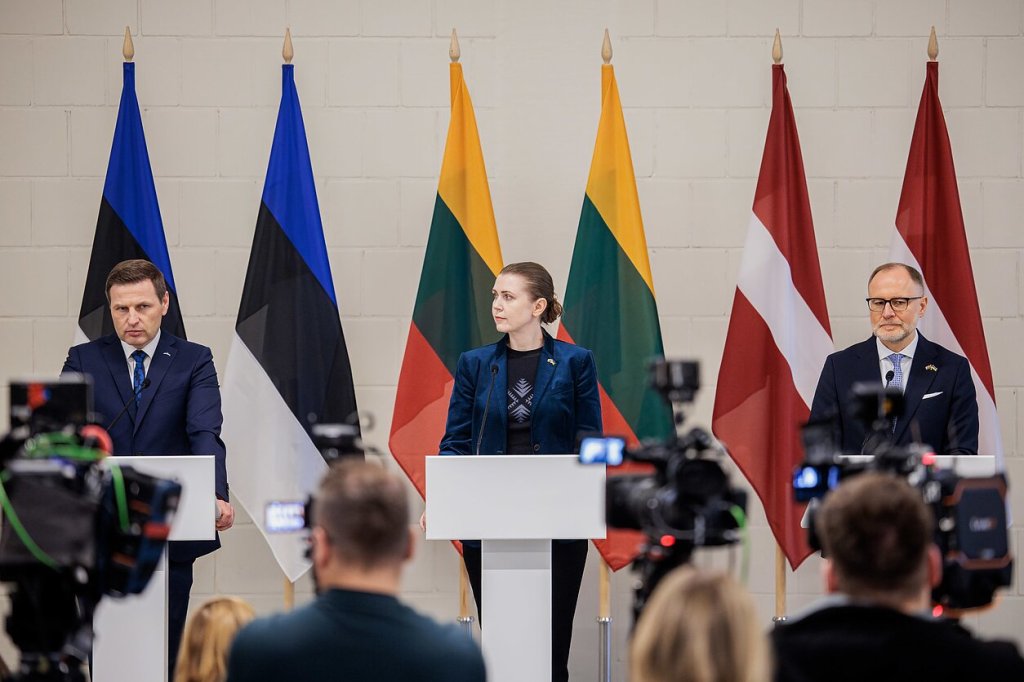
    In a coordinated response to rising regional security concerns, the Baltic nations of Lithuania, Latvia, and Estonia signed a landmark agreement on Friday committing to joint planning for mass evacuations. This trilateral initiative underscores the growing unease across Eastern Europe as Russia, under President Vladimir Putin, continues its military aggression against Ukraine and signals broader ambitions that deeply worry neighboring states.

    The new agreement formalizes the intention of the three Baltic states to unify their approach to crisis response and evacuation logistics in the event of an emergency triggered by regional instability or military aggression. The coordinated plan includes data-sharing mechanisms on evacuation capacities, the status of critical border crossings, and the identification of safe evacuation corridors. A key element of the pact is the focus on protecting vulnerable populations, ensuring no one is left behind in the event of a large-scale civilian movement.

    The Baltic interior ministers emphasized the need for precise protocols and fast, reliable information exchange. Officials believe these procedures will help avoid disorganized responses and widespread panic should a crisis unfold. Their goal is to create a robust framework that can be activated swiftly, mitigating chaos and maximizing civilian protection.

    This development comes ahead of the upcoming “Zapad 2025” military exercises — joint war games scheduled for September between Russia and Belarus in Belarusian territory. These drills have become a source of anxiety among NATO members and regional leaders, many of whom recall that similar exercises in 2021 preceded Russia’s full-scale invasion of Ukraine. Observers fear that Zapad 2025 may serve as a smokescreen for yet another round of military escalation.

    The Baltic evacuation agreement is part of a broader European initiative to bolster civil protection and resilience in the face of mounting threats. In late May, a separate joint declaration was issued by the interior and civil protection ministers from eight EU countries, including the three Baltic states, alongside Belgium, Luxembourg, the Netherlands, Finland, and Sweden. This wider coalition called for urgent investment in national and EU-level preparedness.

    Their statement highlighted the crucial role of civil protection in modern security strategy. It argued that military readiness alone is insufficient for ensuring national security; countries must also develop robust systems to preserve internal order and respond swiftly to both conventional and unconventional threats. These could range from cyberattacks and disinformation campaigns to sabotage of critical infrastructure or mass displacement caused by war.

    The ministers emphasized that building resilience is not just about state capacity but also about empowering citizens to be part of the response. Public education campaigns, transparent communication strategies, and well-rehearsed emergency procedures are all necessary components of a resilient civil society.

    In contrast to the more measured pace of broader EU civil preparedness initiatives, the Baltic pact reflects the urgency felt by countries on NATO’s eastern flank. For them, the threat is not hypothetical; it is grounded in historical memory and present-day proximity to an increasingly assertive Russia.

  • Iran Strikes Back as Conflict With Israel Escalates Quickly

    6/13 – International News & Geopolitical Updates

    8:05 PM ET – FRIDAY JUNE 13, 2025

    Iran has launched a large-scale retaliatory missile strike on Israel in response to Israel’s overnight air raids targeting Iranian nuclear and military sites, as well as a parallel intelligence operation that assassinated most of Iran’s top military commanders and scientists. Military operations between both nations are currently ramping up, and here’s what we know so far as things heat up in the Middle East:

    Iran’s UN ambassador reports that 78 people killed and over 320 injured in the Israeli attacks.

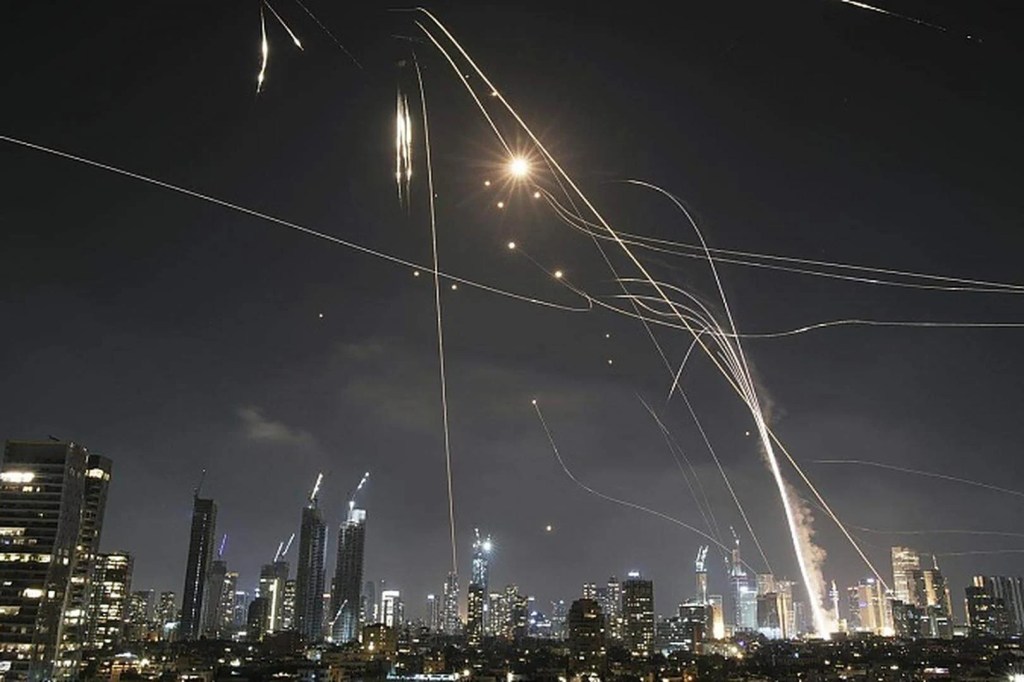
    According to Iranian state media, hundreds of ballistic missiles were fired at Israeli territory. The Israeli Defense Forces confirmed that dozens of these missiles were intercepted—many with the aid of U.S. air defense systems—but not all were stopped. At least 40 civilians in Tel Aviv and surrounding areas are being treated for injuries. Sirens and explosions have been reported in multiple Israeli cities, including Jerusalem, indicating that a second wave of Iranian attacks may be underway.

    The Israeli military responded swiftly with fresh strikes on Iranian launch infrastructure, targeting missile sites and command facilities.

    Nuclear Facility Hit, Iranian Leadership Targeted

    The International Atomic Energy Agency confirmed that Israel’s initial strike destroyed the above-ground sections of Iran’s primary nuclear enrichment site in Natanz. Israel also reportedly killed several senior Iranian military figures, including Chief of Staff Mohammad Bagheri, in targeted strikes on facilities associated with the nuclear weapons program.

    Iran’s Supreme Leader, Ayatollah Ali Khamenei, issued a recorded statement vowing harsh and sustained retaliation. Iranian officials have stated that the regime considers Israel’s attacks to be acts of war and will respond “in kind and beyond.”

    Oil markets reacted immediately to the instability, with prices surging over 7% and global equities dropping sharply. The Dow Jones fell 1.8% amid fears of broader conflict in the region and disruptions to oil supply through the Strait of Hormuz.

    President Trump’s Comments

    President Donald Trump, whose administration had been engaged in nuclear negotiations with Iran just hours before the Israeli strike, defended the assault on social media, stating, “I gave Iran a chance to make a deal, they just couldn’t get it done.” He urged Tehran to return to talks “before there is nothing left.”

    The Israeli airstrikes came ahead of a planned sixth round of negotiations between Trump’s envoy, Steve Witkoff, and Iranian counterparts in Oman. That meeting is now in jeopardy, with Tehran accusing the U.S. of complicity in Israel’s attack. Although Secretary of State Marco Rubio denied direct U.S. involvement, he emphasized America’s commitment to Israel’s defense.

    International Warnings

    The Kremlin condemned Israel’s actions as a “dramatic escalation,” while Saudi Arabia accused Israel of “blatant aggression.” IAEA Director General Rafael Grossi called the situation “deeply concerning,” urging all parties to show maximum restraint.

    Meanwhile, Israeli Prime Minister Benjamin Netanyahu, in a public address, defended the attacks as essential for national survival. He claimed Iran was close to developing a deployable nuclear weapon and argued that time had run out for diplomacy. Netanyahu called on Iranian citizens to oppose their government, declaring in Farsi and English that “Iran’s regime has never been weaker.”

    Defense Minister Israel Katz said that Iran’s missile strikes on Israeli civilian areas had crossed a red line and vowed that the Islamic Republic would “pay a very heavy price.”

    Analysis: A Dangerous Gamble with Global Consequences

    Israel’s air campaign has delivered a devastating blow to Iran’s nuclear infrastructure and leadership, potentially buying time in the race to prevent a nuclear-armed Iran. However, the risk of regional war has dramatically increased and we are all but there at this point. Iranian proxies, including the Houthis in Yemen and militias in Iraq and Syria, may now be mobilized to strike U.S. and allied interests across the region.

    The Trump administration had pursued diplomacy as a primary strategy, with the Oman talks seen as a last chance to contain the crisis. Now, with the diplomatic track derailed and missiles flying, the U.S. faces the real prospect of being drawn deeper into yet another major Middle Eastern war— with potential to be the most devastating one yet.

    While some Israeli officials argue the strike was necessary and possibly preemptive, others acknowledge that if Iran rebuilds, the region could enter a cycle of recurring war. Intelligence analysts warn that even if current nuclear facilities are crippled, Iran retains the knowledge and material to restart its program—potentially more covertly and with greater determination.

    The comprehensive risk of this is that Israel might see this as a chance and reason to press on until their strategic goals are entirely achieved— aka total capitulation and/or defeat of the Iranian regime.

    As the situation unfolds, global leaders now watch closely to see whether this dramatic exchange triggers broader conflict—or opens a narrow, dangerous path toward a new geopolitical order.

  • War With Iran Looms as Nuclear Diplomacy Frays

    6/13 – International News & Diplomacy Updates

    *NOTE: This story was written and edited early on June 12th, 2025, just hours before Israel carried out airstrikes on Iran. This escalation rendered many of the speculations in this article obsolete. We have decided to publish this story anyway to provide context on how quickly the geopolitical landscape of the region has shifted.

    —> Amid deepening instability across the Middle East, the Iranian nuclear standoff has entered a perilous new phase, raising fears that the region could soon descend into a large-scale conflict. On Thursday, the International Atomic Energy Agency (IAEA) formally declared Iran in breach of its nuclear non-proliferation obligations for the first time in nearly 20 years. The announcement came just days before a scheduled round of U.S.-Iran nuclear talks in Oman and sparked a swift, defiant response from Tehran—including new nuclear developments and military maneuvers that have alarmed both Washington and Tel Aviv.

    The IAEA’s Board of Governors passed a censure resolution against Iran, citing years of evasive behavior, unexplained nuclear materials at undeclared sites, and Tehran’s ongoing refusal to allow full transparency into its program. This resolution, backed by the U.S., France, Germany, and the U.K., comes amid mounting evidence of Iran’s effort to expand its nuclear infrastructure in ways that suggest military potential.

    Iran responded by announcing it would construct a third uranium enrichment facility at a secret, secure location. At the same time, it revealed plans to upgrade centrifuges at its Fordow facility from first-generation to sixth-generation models, significantly boosting its capacity to produce enriched uranium. While Iran maintains that its program is purely for peaceful purposes—such as energy production and medical isotopes—its current enrichment level of 60% brings it dangerously close to the 90% threshold required for a nuclear weapon.

    Washington and Tel Aviv on High Alert

    These developments arrive as the Trump administration prepares for high-stakes nuclear talks in Oman this weekend, amid growing concerns in U.S. intelligence circles that Israel may be preparing to launch a military strike against Iran’s nuclear sites. While Israeli officials have not confirmed any decision, military preparations have reportedly accelerated, and Israeli leaders are expected to meet with U.S. envoy Steve Witkoff in the days ahead to clarify their position.

    President Donald Trump, now leading U.S. foreign policy again, warned Israel against premature military action but admitted a strike “could very well happen.” Simultaneously, the U.S. has begun partial evacuations of diplomatic staff in Iraq and other Middle Eastern outposts, signaling growing anticipation of conflict.

    Tehran Doubles Down

    Inside Iran, the response has been one of defiance and preparation. President Masoud Pezeshkian rejected what he called “American coercion,” pointing to Iran’s endurance during its eight-year war with Iraq as proof of national resilience. Senior Iranian military officials, including Islamic Revolutionary Guard Corps (IRGC) commander Hossein Salami, vowed devastating retaliation for any Israeli strike—promising a response that would surpass previous missile exchanges between the two countries.

    Iran initiated early military exercises involving missiles, drones, and special forces units. Defense Minister Aziz Nasirzadeh confirmed the successful launch of a 2,000kg warhead ballistic missile and declared that U.S. military bases across the region would be considered legitimate targets in the event of war.

    In a display of nationalism, authorities in Tehran erected a giant sculpture of Arash Kamangir—an Iranian mythological figure known for sacrificing himself to establish the nation’s borders. While some celebrated the statue as a symbol of pride and resistance, others criticized it as a political gesture aimed at stoking patriotism in preparation for conflict.

    At the heart of the diplomatic deadlock lies the issue of uranium enrichment. The 2015 nuclear deal limited Iran to 3.67% enrichment, but since its collapse following the U.S. withdrawal in 2018, Iran has dramatically escalated its nuclear activities. Trump and his administration are now demanding “zero enrichment” as a prerequisite for any new agreement—a stance Tehran has flatly rejected.

    Iran recently turned down a U.S. proposal reflecting that zero-enrichment demand and is expected to present a counteroffer during talks in Muscat. Meanwhile, discussions of a potential nuclear consortium involving Iran’s neighbors have failed to yield any breakthroughs.

    The IAEA’s latest report further highlights longstanding concerns about Iran’s opaque nuclear behavior. The agency has uncovered patterns of site sanitization, evidence destruction, and deliberate obstruction of inspections. At sites like Marivan and Turquzabad, Iran reportedly conducted nuclear weapons-related tests and then demolished facilities once the IAEA requested access.

    The report paints a picture of a systematic, structured, and clandestine nuclear program. It also raises concerns about the possibility of a second secret enrichment site in the mountainous region of Natanz, which, combined with Fordow, could significantly reduce the time needed for a nuclear breakout.

    Analysis: The Edge of a Wider War

    The international response to Iran’s nuclear defiance will determine whether the world can still enforce the rules of the Non-Proliferation Treaty or whether a dangerous new era of nuclear brinkmanship is underway.

    Iran’s current trajectory suggests that it is betting on the West’s reluctance to act. By advancing its nuclear capabilities while engaging in diplomacy, Tehran appears to be hedging its bets—strengthening its position for future negotiations or preparing for confrontation if talks collapse. The calculated unveiling of new military assets and nuclear infrastructure sends a message: Iran is prepared to endure sanctions and fight if necessary.

    Meanwhile, the U.S. administration faces a credibility test. Its insistence on zero enrichment, while consistent with past rhetoric, increasingly appears unachievable under current conditions. Trump’s mixed signals—combining diplomatic outreach with troop withdrawals and military threats—create confusion among allies and adversaries alike.

    For Israel, the stakes could not be higher. With every advancement in Iran’s nuclear program, the strategic window to act narrows. A unilateral Israeli strike, however, would almost certainly ignite a regional war, pull in American forces, and destabilize global energy markets. It would also risk fragmenting the international coalition still trying to bring Iran back into compliance through diplomacy.

    The Muscat talks may be the final opportunity to halt the slide into open war. If no progress is made, the Middle East could face its most destructive conflict in decades—one that would pit Israel against a large and well-armed adversary, with U.S. assets in the region almost inevitably drawn into the fight.

    The potential for miscalculation is immense. The hope is that diplomacy prevails. The fear is that the window is closing.

  • BREAKING: Israel Strikes Iran Amid Nuclear Talks

    June 12, 2025 – International Update & Geopolitical Analysis

    Breaking: Israel Launches Airstrikes on Iran, Marking Start of Open Conflict

    9:30 PM ET — Middle East Crisis Deepens as Diplomacy Collapses

    In a development that marks a dramatic turning point in the Iran nuclear standoff, Israel has officially launched military strikes against Iranian territory. The offensive began roughly 30 minutes ago, confirmed by Israeli defense authorities, and appears to target key strategic installations believed to be connected to Iran’s nuclear program.

    The attack, which comes just hours before a planned round of U.S.-Iran nuclear negotiations in Muscat, Oman, effectively obliterates the last viable track for a diplomatic resolution. Multiple videos circulating from Iranian sources show smoke plumes rising from suspected military zones. Though the exact targets have yet to be confirmed, early indicators suggest that the strikes were precise, possibly focused on enrichment sites and military logistics hubs.

    Israeli officials are now bracing for what their own defense minister has described as “days of battle.” Heightened alert has been issued across major Israeli cities and critical infrastructure. Defense readiness protocols have been activated nationwide.

    Washington Blindsided Amid Peace Push

    The timing of the strikes is particularly jarring given recent statements from President Donald Trump, who just hours ago reiterated his desire for a diplomatic resolution with Tehran. Trump, addressing reporters in Washington, emphasized his administration’s preference for a peaceful settlement, even warning Israel against unilateral action that could jeopardize negotiations.

    His words—“I would rather that they [the Israelis] don’t go in”—were seen by some as a direct signal of restraint to Tel Aviv. Nevertheless, the Israeli government appears to have disregarded this message entirely, moving forward with a military option that may now irrevocably commit the region, and the United States, to a broader conflict.

    A senior Trump administration official confirmed that U.S. personnel had been partially evacuated from multiple Middle Eastern outposts in the preceding 24 hours, suggesting Washington may have anticipated the strike but failed to deter it. Intelligence sources now believe that Israel’s action was designed not just to halt Iran’s nuclear ambitions, but also to preempt any potential U.S.-Iran rapprochement.

    Geopolitical Fallout: A Crisis Unleashed

    Iranian leaders have yet to issue a formal statement, but senior Revolutionary Guard commanders had long vowed retaliation for any strike on their soil. U.S. intelligence assessments, relayed in a briefing to the Senate earlier today by White House envoy Steve Witkoff, warned that any Israeli attack would almost certainly prompt Iranian retaliation against both Israeli and American assets.

    Witkoff specifically highlighted Iran’s ballistic missile capability, citing over 2,000 projectiles capable of delivering 2,000-pound warheads. Israel, according to the same intelligence, may not have the air defense capacity to fully repel such a barrage, raising fears of mass casualties and regional escalation.

    Iran has consistently stated that any strike on its nuclear facilities would be interpreted as a declaration of war, triggering immediate and overwhelming retaliation. Israeli cities and U.S. military installations across the region are believed to be potential targets. Analysts now fear the possibility of multiple fronts opening in Lebanon, Syria, Iraq, and potentially the Gulf.

    Diplomacy Crushed, War Inevitable?

    Until this evening, there was guarded optimism that upcoming talks in Muscat might provide a pathway to de-escalation. Steve Witkoff had emphasized a narrowing but real opportunity to reach a new agreement—one that would limit uranium enrichment and restore inspection access to the International Atomic Energy Agency (IAEA). That optimism has now been eclipsed by the reality of Israeli bombs falling on Iranian territory.

    Critics argue that Israel’s decision reflects a broader loss of faith in multilateral diplomacy. With the IAEA’s recent censure of Iran and growing evidence of clandestine weapons activity, Tel Aviv viewed the moment as a point of no return. Yet the costs of this choice are already mounting, as markets react and military assets mobilize on all sides.

    Analysis: A Precipice of Global Conflict

    This is the most dangerous escalation in the Middle East since the 2003 U.S. invasion of Iraq—and potentially even more destabilizing. It arrives at a moment when the global system is already strained by conflict in Ukraine, geopolitical tensions in East Asia, and fractured trust in international institutions.

    Israel’s move to strike Iran, just hours after U.S. diplomatic overtures, is more than a military operation—it is a geopolitical rupture. It challenges Washington’s authority, undercuts ongoing negotiations, and potentially drags NATO allies into a widening regional war.

    While some U.S. officials believe the Trump administration may have offered tacit intelligence support, others insist this was a rogue move by a close but defiant ally. Either way, the fallout is now Washington’s to manage. American troops in the region are at elevated risk. Energy markets are on edge. And the broader world faces the very real threat of a drawn-out and devastating conflict.

    If retaliation unfolds as expected, the United States may find itself pulled further into another Middle Eastern war—despite repeated public avowals to the contrary. The coming days will determine whether this conflict can be contained or whether it marks the start of a new, and possibly generational, regional war.

  • International Security Brief

    June 12, 2025 – Geopolitical Updates & Analysis

    Israel Prepares for Potential Strike on Iran Amid Nuclear Concerns

    Israel appears to be preparing for a potential military strike on Iran, a move that could escalate tensions in the Middle East and complicate U.S. diplomatic efforts to prevent Iran from developing nuclear weapons. Israeli officials have seen a moment of vulnerability in Iran’s nuclear program and have pressed for action, but U.S. President Trump previously blocked such a move, preferring to pursue a diplomatic route. However, after Iran rejected a U.S. proposal to curb uranium enrichment, Trump has become less optimistic about a deal. In response to rising tensions, the U.S. has authorized the withdrawal of diplomats from Iraq and allowed U.S. military families to leave the region. The situation remains volatile, with the possibility of military retaliation from Iran if Israel strikes.

    Iran has prepared its own response, including potentially launching hundreds of ballistic missiles at Israel. Meanwhile, U.S. military officials have been discussing options for further action, though the possibility of military confrontation continues to be a delicate issue. Tensions are further heightened by the potential reimposition of sanctions on Iran due to its violations of the 2015 nuclear deal, which could provoke stronger reactions from Tehran.

    Israel’s concern is fueled by Iran’s advancing nuclear capabilities, with analysts noting that Iran is nearing the ability to produce enough nuclear material for up to ten weapons. While Israel has decimated Iranian-backed groups like Hezbollah and Hamas, Iran’s air defenses are reportedly being restored, making any Israeli strike increasingly risky. Furthermore, it remains uncertain whether Israel can inflict significant damage to Iran’s nuclear program without U.S. military support. The situation has the potential to disrupt oil supplies and create wider regional instability, with U.S. military assets already deployed in the area, including aircraft and a naval carrier.

    IAEA Censures Iran Over Nuclear Noncompliance Amid Rising Tensions and Diplomatic Efforts

    The International Atomic Energy Agency (IAEA) issued a resolution against Iran on Thursday, marking the first time in 20 years the U.N. watchdog has censured the country. The resolution, which passed with 19 votes in favor, criticizes Iran for failing to provide crucial information about undeclared nuclear material and activities. This development comes amid rising tensions, with Israel possibly preparing a military strike against Iran. Iran has responded angrily, condemning the vote as political and threatening to further expand its nuclear program, including the installation of more advanced enrichment equipment.

    Despite Iran’s rejection, the resolution was part of broader diplomatic efforts to curb Iran’s nuclear activities. Negotiations between the U.S. and Iran are ongoing in Oman, with both sides focused on limiting Iran’s uranium enrichment in exchange for civilian nuclear assistance. However, Iran maintains it will not abandon its right to enrichment. While the U.S. has expressed optimism about the talks, President Trump noted that he is “less confident” about a deal, citing delays in Iran’s responses.

    The IAEA resolution does not immediately escalate the situation by referring Iran to the U.N. Security Council for additional sanctions. However, continued noncompliance could trigger the re-imposition of the harsh economic sanctions lifted under the 2015 nuclear deal. If these sanctions are reinstated, they would severely impact Iran’s economy and restrict its nuclear activities. Iran’s nuclear ambitions and the potential for military escalation remain critical points in the ongoing geopolitical standoff.

    Pentagon Reviews Aukus Pact Amid Submarine Delays and Rising China Tensions

    The Pentagon is reviewing the Aukus defense pact between the U.S., U.K., and Australia, raising uncertainty about the future of the alliance. Signed in 2021, Aukus aimed to equip Australia with nuclear-powered submarines, enhance cooperation on advanced technologies like hypersonic missiles and quantum computing, and strengthen defense against China’s growing presence in the Indo-Pacific. However, the U.S. faces challenges in its own nuclear submarine production, leading to concerns about whether it can fulfill its commitments to Australia. U.S. officials are also scrutinizing the deal to ensure it aligns with the “America First” agenda and increases military readiness.

    The partnership has also faced delays in technology development and concerns over export controls. As a result, there are pressures on Australia to increase military spending, with the U.S. urging a boost to 3.5% of GDP. Despite these challenges, Australian leaders, including Prime Minister Albanese, have expressed confidence in the deal’s future, emphasizing the importance of nuclear-powered submarines for Australia’s defense. Even if the U.S. pulls back, the U.K. and Australia could continue developing new submarines independently.

    The timing of the review is especially sensitive, as the U.S. and Australia prepare for joint military exercises next month. Tensions with China remain high, and the Aukus pact is seen as a crucial part of countering Chinese influence in the Pacific. However, internal criticism in Australia and a shift in government priorities have raised questions about the long-term commitment to the agreement, even as public support for acquiring nuclear-powered submarines remains strong.

    China’s Military Show of Force Near Japan Signals Growing Maritime Ambitions

    Over the weekend, Chinese jet fighters closely tailed Japanese military patrol aircraft in two separate incidents, signaling China’s growing maritime ambitions and willingness to challenge U.S. allies in Asia. The encounters occurred as Chinese military activity escalated in the Western Pacific. Two Chinese aircraft carriers, the Shandong and Liaoning, along with seven warships, ventured into waters east of Japan’s Iwo Jima for the first time, drawing concern from Japanese officials. In one incident, a Chinese J-15 jet closely followed a Japanese patrol plane for 40 minutes, at one point coming within just 150 feet of the aircraft.

    The Japanese Ministry of Defense expressed serious concern, warning that such close encounters could lead to accidental collisions, though no damage occurred. In response, China’s Foreign Ministry stated that Japan’s reconnaissance actions were the root cause, urging Japan to stop its “dangerous behavior.” These risky intercepts are not new—similar incidents have been reported involving Chinese fighters and military aircraft from Canada and the U.S. in recent years. The increased Chinese military presence is part of Beijing’s broader efforts to expand its maritime reach, particularly around Taiwan, which China views as a critical target.

    The incidents are part of a wider trend of military escalation in the region. In February and March, Chinese naval ships conducted operations around Australia, while this weekend marked the first time both of China’s aircraft carriers operated near Japan. As China continues its military modernization with an eye on Taiwan, U.S. officials remain focused on strengthening regional security partnerships, particularly with Japan, to counter China’s growing military assertiveness.

  • NATO Calls for Military Spending Hike Amid Russian Threat

    6/11 – International News & Geopolitical Analysis

    NATO Secretary-General Mark Rutte issued a stark warning to alliance members this week, emphasizing that Russia may be preparing for military confrontation with NATO within the next five years. In a pointed speech delivered in London, Rutte underscored the pressing need for a dramatic surge in defense spending and weapon production across the alliance. He argued that even if the war in Ukraine were to end soon, the broader geopolitical threat posed by Russia would remain.

    Rutte, recently appointed NATO chief and formerly the prime minister of the Netherlands, is leading the alliance at a moment of deep strategic uncertainty. His remarks come ahead of a critical NATO summit in The Hague, where U.S. President Donald Trump is expected to reassert his controversial vision of transatlantic defense cooperation. Trump, a vocal critic of European defense spending, is likely to push for a bold new funding goal: a 5% of GDP benchmark for defense, with 3.5% earmarked for direct military expenditures and the remaining 1.5% for ancillary defense-related investments.

    The proposed target marks a substantial increase from the current 2% standard—a goal only recently met by countries like Italy and Spain, more than a decade after its introduction. Some NATO states, particularly those on the alliance’s southern flank, have been slow to ramp up their military capabilities, often arguing that Russia poses no direct threat to their national security. Convincing countries like Spain to endorse the new objective has proven difficult, though they are now expected to support the initiative without vetoing it.

    Rutte’s warning was backed by new internal assessments approved by NATO defense ministers, which outline capability targets necessary to implement regional defense plans. Though the details are classified, priorities reportedly include bolstering air and missile defenses, expanding land force formations, and enhancing logistics and long-range strike capabilities.

    Rutte painted a sobering picture of NATO’s readiness by emphasizing the fact that Russia manages to produce in three months the volume of ammunition NATO produces in a year. Throughout their 3 year war in Ukraine, Russia has transformed itself into a well-oiled war economy, whereas the Transatlantic alliance’s current supply chains are ill-equipped for sustained conflict. To bridge the gap, NATO aims to acquire thousands of additional tanks and armored vehicles, millions more artillery shells, and double support infrastructure such as logistics, transportation, and medical services. Plans are underway to procure hundreds of warships, drones, long-range missiles, and over 700 U.S.-made F-35 fighter jets.

    This ambitious rearmament push is being met with cautious optimism. While front-line states like Poland and the Baltic nations have already committed over 4% of GDP to defense, other members—particularly in Western Europe and North America—face criticism for lagging behind. Notably, the U.S., once a pillar of NATO military spending, now allocates a smaller share of its GDP to defense than it did in 2014, raising some eyebrows even as it pushes allies to spend more.

    Trump’s proposed 5% benchmark is designed to address this imbalance. However, his administration’s own defense budgeting has shown signs of inconsistency. While a $150 billion injection into the Pentagon is included in the current spending bill, projections for fiscal year 2026 suggest a potential decline in defense outlays when adjusted for inflation.

    The broader strategic calculus underpinning these developments is rooted in fears of a future Russian assault on NATO soil. Intelligence assessments have increasingly concluded that Moscow could shift its war machine toward a new front in Europe once the war in Ukraine winds down. The Kremlin’s production of artillery, missile systems, and armored vehicles has skyrocketed, fueling speculation that Russia may be positioning itself for a confrontation with NATO.

    Rutte’s warning that the entire alliance now resides on the “eastern flank” reflects a shift in thinking among European leaders, who had long considered Russian aggression a localized issue. The war in Ukraine has fundamentally altered those assumptions, and NATO is responding with a new urgency.

    Yet for all the planning and investment, questions persist about the alliance’s cohesion. Trump’s return to the diplomatic arena brings both opportunity and risk. While his administration has signaled a desire to see NATO take more responsibility for its own defense, critics argue that this may be code for a gradual American retreat. European officials are working to ensure that any pivot by the U.S. toward Asia, particularly in light of rising tensions with China, does not leave Europe exposed.

    Analysis:

    The NATO alliance is undergoing a transformation as it confronts the realities of modern warfare and great-power rivalry. Rutte’s address marked a pivotal moment in the strategic reawakening of Europe, urging allies to accept that security can no longer be taken for granted.

    The 5% defense target, long considered politically untenable, now appears to be within reach—driven by the combination of Russian aggression and Trump’s pressure tactics. However, this shift comes with risks. A surge in defense spending without a corresponding long-term strategy could result in wasteful procurement and public backlash. Moreover, if NATO members see increased investment as a replacement for U.S. commitment rather than a supplement, the alliance’s unity could fray.

    There’s also the question of sustainability. While high levels of defense spending may be justified amid current threats, maintaining those levels over decades will challenge governments already grappling with post-pandemic debt, social demands, and declining welfare provisions.

    Still, the urgency cannot be ignored. As Rutte noted, Russia’s wartime economy—though dwarfed in size by NATO—has proven capable of outproducing the alliance in key military areas. Bridging that gap is now seen as not only a matter of preparedness, but of deterrence.

  • China’s Rare Earth Export Ban Ripples Across Global Supply Chains

    6/10 – International Economic News & Analysis

    Rare earth elements—crucial for everything from electric vehicles to smartphones, aircraft, and military hardware—have become the latest leverage point in China’s strategic playbook. The world’s largest producer of rare earths, China controls approximately 90% of global supply. In retaliation for U.S. tariffs imposed by President Donald Trump, Beijing’s latest measures restrict the export of rare earths and related magnet materials, impacting countries worldwide and sending shockwaves through Europe’s industrial landscape.

    Although initially viewed as a bilateral issue between Washington and Beijing, the export curbs apply globally. European factories have not been spared as several parts plants across the EU have already suspended output, while companies warn of looming shutdowns if supply does not resume. The disruption highlights how deeply embedded China’s mineral production is in global manufacturing systems.

    As global trade tensions escalate, a new crisis is brewing in Europe’s industrial core. China’s abrupt suspension of rare earth exports in April has begun to severely disrupt supply chains vital to automotive production and broader high-tech manufacturing. With only a small fraction of export licenses granted since the ban, European automakers and suppliers are scrambling to secure alternatives as the geopolitical stakes rise.

    Mercedes-Benz has not yet experienced production issues but is now actively consulting top-tier suppliers on building strategic stockpiles of rare earth materials. The company’s production chief, Joerg Burzer, confirmed that they are creating buffers to cushion against worsening shortages. Meanwhile, BMW confirmed that while parts of its supply chain have been affected, its plants continue to operate normally.

    Others are not as fortunate. CLEPA, the European Association of Automotive Suppliers, revealed that several production lines have already halted due to supply shortfalls. According to the group, only about one in four license applications submitted since April have been approved, and many were rejected on bureaucratic technicalities. The organization warned that further outages are likely unless export permissions are expedited or new sources of supply are secured.

    Volkswagen has reported no immediate impact but is closely monitoring the situation. Likewise, Swedish airbag manufacturer Autoliv remains unaffected but has mobilized a task force to proactively manage potential disruption.

    Another Wake-Up Call for Europe

    EU officials have acknowledged the severity of the crisis and are working to respond. Trade Commissioner Maros Sefcovic recently met with his Chinese counterpart to push for clarity on export policies. Separately, Industrial Strategy Commissioner Stephane Sejourne emphasized the need for Europe to diversify its critical mineral supply, stating the bloc’s overdependence on China is unsustainable. Brussels is now backing at least 13 mining and processing projects outside the EU to reduce reliance on Chinese sources.

    Germany’s ZVEI electrical and digital industry association reported that many companies only have weeks—or, at best, a few months—of stockpiled rare earths left. As political uncertainty drags on, some European firms are taking matters into their own hands by seeking side deals within China, underscoring frustration with government inaction.

    Facing pressure, automakers and component suppliers are accelerating the development of magnet-free technologies. BMW, for instance, has introduced rare-earth-free motors in its newest EV generation. However, even these designs still require rare earths for smaller electric components, highlighting how difficult it is to fully decouple from China. Other manufacturers like General Motors, ZF, and BorgWarner are also working on rare earth–reduced technologies, though cost and scalability remain significant hurdles.

    This technological pivot is not purely reactive—it is strategic. Reducing dependence on Chinese-controlled materials aligns with broader efforts to localize supply chains, ensure production continuity, and align with clean energy targets. But time is not on the industry’s side. New designs and mining operations take years to develop and approve, and the immediate shortage threatens manufacturing schedules within months.

    Trump’s Trade Pressure and Xi’s Retaliation

    At the heart of the issue is a deteriorating trade relationship between the U.S. and China. President Trump’s sweeping tariffs—some reaching up to 145% at points—were initially imposed to shrink the U.S. trade deficit and revive domestic manufacturing. But after market turmoil, he partially scaled back the tariffs, only for China to retaliate using its grip on the critical minerals market.

    Trump has publicly accused Beijing of undermining the fragile truce struck last month, calling Chinese President Xi Jinping a difficult negotiator. For Trump, who seeks to project strength amid a tumble in political approval a few months in, restoring American leverage while stabilizing markets has become a delicate balancing act. But China’s export curbs demonstrate that Beijing has potent tools of its own—tools that can wreak havoc on Western industries within weeks.

    Analysis:

    This rare earth crisis is not just another chapter in the U.S.-China trade war; it is a turning point in global industrial policy. It reveals the fragility of globalization in a world where key resources are controlled by adversarial powers. As the West accelerates its green energy and electrification efforts, it remains startlingly vulnerable to supply disruptions from a single country.

    Europe’s delayed response and lack of domestic extraction capacity leave it dangerously exposed. Policymakers have long known the risks of rare earth dependence but failed to invest adequately in alternatives. The current scramble may finally jolt the EU into action, but the transition will not be swift. Until then, companies will operate under a constant threat of shortage and shutdown.

    China, for its part, is sending a clear message: it will not remain passive while being economically pressured by Western tariffs. By weaponizing its mineral dominance, it is signaling that economic coercion is a two-way street.

  • International Security Brief

    6/9 – Geopolitical News & Analysis

    Russia Launches Largest Drone Strike of the War Against Ukraine

    Russia launched its largest drone strike of the war on Monday, deploying 479 self-detonating drones, most of which were intercepted or disabled. The attack targeted several regions in Ukraine, with the western Rivne region suffering significant damage. One person was injured in the assault, and the city of Dubno bore the brunt of the attack. This strike follows a major bombardment on Friday, which Russia claimed was a retaliatory measure after Ukraine’s air bases were attacked earlier in the week. Polish jets were scrambled in response to the barrage.

    Meanwhile, Russian forces are reportedly advancing towards Ukraine’s southeastern Dnipropetrovsk region, though Ukrainian officials dismissed these claims as false, suggesting no new major offensive. On the ground, fighting continues in several regions, including Donetsk, Sumy, and Kharkiv, with Ukrainian President Zelensky acknowledging the difficult situation at the front line. Amid the ongoing conflict, a prisoner exchange began on Monday, involving wounded soldiers, with further stages planned in the coming days.

    In response to the mounting threats from Russia, NATO Secretary General Mark Rutte called for a “quantum leap” in air and missile defense, urging a 400% increase in collective defense capabilities within the alliance. He emphasized the ongoing risk to global security, signaling that even once the war in Ukraine ends, the threat from Russian missile attacks would persist.

    Ukraine Unveils New Drone Boat That Downs Russian Jets

    Ukraine has developed a range of innovative unmanned systems, including the Magura V7, a remote-controlled speedboat equipped with antiaircraft missiles. This system successfully downed two Russian Su-30 fighter jets, marking the first known use of a drone boat in such an operation. The Magura V7 enhances Ukraine’s existing capabilities, building on previous successes with drones. Earlier versions of the Magura system have reportedly sunk or damaged 16 Russian warships since the war began.

    The Magura V7 can track Russian fighter jets at sea and launch missiles to ambush them, providing Ukraine with a new tool for air defense. These drones can operate for extended periods, lingering in open waters and launching attacks when opportunities arise. Military analysts suggest that while the system may not revolutionize the battlefield alone, it could have a significant impact when integrated with other technologies and tactics.

    Ukraine’s drone development is driven by a large pool of tech-savvy programmers and workers, many of whom had experience in the tech industry before the war. The integration of drones into Ukraine’s military strategy covers land, air, and sea operations, with systems designed to adapt quickly to the evolving conflict. This shift to unmanned warfare represents a new chapter in the ongoing arms race between the two sides, with both continuously refining their strategies and technologies.

    Asymmetric Warfare: How Israel and Ukraine Are Shaping Modern Intelligence Operations

    In recent conflicts, deception, infiltration, and advanced spycraft have emerged as pivotal strategies, exemplified by Israeli and Ukrainian intelligence operations. Israel’s multi-stage operation against Hezbollah last fall, which involved intercepting and booby-trapping communication devices, and Ukraine’s June 1 attack on Russian airfields, have shown how modern technology, including drones and communication networks, can reshape military power. These operations demonstrate how smaller, less resourceful actors can level the playing field through asymmetric warfare, utilizing technology to exploit vulnerabilities in more powerful enemies.

    Israel’s successful strikes against Hezbollah not only weakened the group but also impacted regional dynamics, contributing to the weakening of Iran’s influence. Ukraine’s targeted attack on Russia’s bomber fleet used drones launched from moving trucks, disrupting Russia’s strategic air capabilities and diminishing its ability to launch cruise missile strikes. Despite Russia’s losses, its strategic bombers still pose a threat, but Ukraine’s innovation highlights the growing importance of intelligence-driven, high-tech warfare.

    The success of these operations depends not just on technology but on skilled intelligence personnel who can adapt to rapidly evolving warfare. Ukraine’s ability to operate within Russia’s surveillance-heavy state, executing complex operations under the radar of the FSB, demonstrates the potential of asymmetrical warfare. These examples of innovation are reverberating through NATO and global military circles, signaling a shift in how intelligence and technology are integrated into modern military strategies. Ukraine’s use of artificial intelligence to guide drones and its ability to strike multiple distant targets simultaneously showcases a significant technological edge that could influence future conflicts.

    These operations have showcased the power of asymmetric warfare and technology in modern conflicts, and they serve as a lesson in how smaller states can leverage advanced intelligence and innovation to challenge stronger adversaries. Military and intelligence agencies worldwide are now studying these tactics, recognizing their potential to shift the balance of power in conflicts.

    Canada Boosts Military Spending to Meet NATO Commitments and Strengthen U.S. Ties

    Canada is planning to increase its military spending this year to meet NATO defense budget commitments and address growing concerns from the U.S. under President Trump. The country will invest in military vehicles, drones, ammunition, and sensors, with a focus on monitoring the Arctic. Additionally, Canada will provide financial aid to Ukraine as part of this package. This move aims to help Canada reach NATO’s 2% of GDP defense spending target by the end of its fiscal year, which concludes in March. Canada, a founding NATO member, has consistently fallen short of meeting its defense spending obligations, currently at 1.37% of GDP, trailing behind several NATO allies.

    Prime Minister Mark Carney’s commitment marks a shift in Canada’s defense posture, with plans to spend beyond the 2% target in the coming years. This acceleration comes amid increasing pressure from the U.S., particularly from Trump, who has criticized Canada for its underinvestment in military readiness and for not adequately securing the North American Arctic, an area jointly monitored by Canada and the U.S. through NORAD. Carney’s government is also in talks with U.S. officials about joining the creation of the Golden Dome, a North American missile defense shield, and has expressed interest in expanding Canada’s defense partnerships beyond North America, particularly with Europe.

    The Canadian government’s increased defense commitment is also seen as a strategic move to strengthen economic ties with the U.S., offering opportunities for collaboration with U.S. defense contractors. While the defense boost will support Canadian industries and sovereignty, Carney emphasized that the goal is to protect Canadian interests rather than merely fulfilling NATO obligations.

    China Expands Naval Presence Near Japan as Tensions Over Taiwan Rise

    China’s aircraft carrier, the Liaoning, along with several other naval vessels, recently conducted military drills southeast of Japan’s Iwo Jima, marking a significant expansion of Chinese naval operations in the Pacific. These exercises, the first of their kind in this region, come as part of Beijing’s broader strategy to enhance its naval presence far from its shores. The waters near Iwo Jima are crucial for any potential military action China might take towards Taiwan, a territory it views as a breakaway province. Chinese leader Xi Jinping has set military goals to be capable of seizing Taiwan by 2027, with increasing exercises around the island, including simulated blockades.

    The Chinese navy, already the world’s largest, is still developing its ability to operate in distant waters and perform complex operations, such as utilizing aircraft carriers. The Pentagon has noted that while China’s capability to operate beyond its near seas remains limited, it is growing as the country gains more experience and advanced military platforms. In response, Japan’s military has been closely monitoring these movements, which included Chinese jets and helicopters operating from the Liaoning.

    Meanwhile, China has deployed a large number of naval and coast guard vessels in the waters from Japan to the Philippines, aiming to extend its influence beyond the first island chain, which includes Japan and Taiwan. Chinese officials have defended these actions as consistent with international law, framing them as part of their defensive security posture. However, this increased Chinese activity is seen as a push to turn the region into what it considers its own “inland sea,” and experts warn that China’s efforts to challenge the established security framework in the Pacific are intensifying.
  • Saudi Arabia Delivers Stark Warning to Iran Amid Nuclear Talks

    6/8 – International Diplomacy Analysis

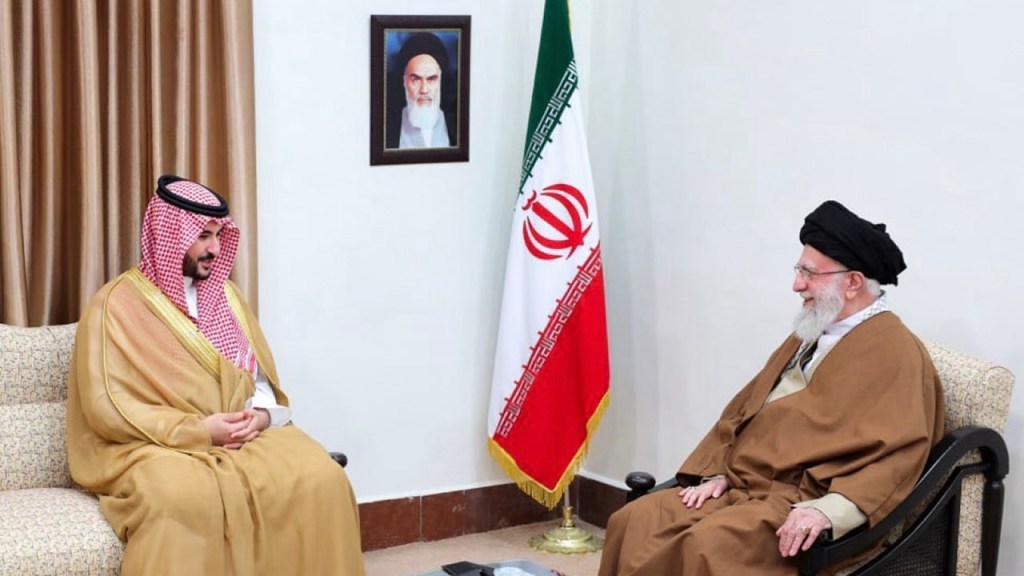
    In a high-stakes diplomatic maneuver, Saudi Arabia recently dispatched Defense Minister Prince Khalid bin Salman to Tehran with an urgent and confidential message: Iran should take U.S. President Donald Trump’s offer to negotiate a nuclear agreement seriously or risk a regional conflict involving Israel.

    The meeting, held on April 17 in Tehran’s presidential compound, included key Iranian figures such as President Masoud Pezeshkian, Armed Forces Chief of Staff Mohammad Bagheri, and Foreign Minister Abbas Araqchi. The visit marked the first by a senior Saudi royal to Iran in over 20 years and underscored the gravity of the message being delivered. King Salman bin Abdulaziz, deeply concerned about regional stability, personally tasked his son with urging Iranian leadership to act swiftly, cautioning that Trump’s tolerance for protracted negotiations was limited.

    This Saudi initiative came shortly after Trump publicly confirmed ongoing nuclear talks with Tehran, despite being flanked at the time by Israeli Prime Minister Benjamin Netanyahu, who had sought American backing for a military campaign against Iranian nuclear sites. Trump’s announcement unsettled Israel but suggested the U.S. administration saw a diplomatic route as still viable—if not urgently necessary.

    Against the backdrop of intensifying unrest in Gaza and Lebanon and with Iran’s regional allies facing repeated setbacks, Saudi Arabia framed its warning within a broader regional calculus. Prince Khalid stressed to Iranian officials that a diplomatic solution was preferable to escalating military action, which could further destabilize the Middle East and directly threaten Saudi Arabia’s Vision 2030 economic transformation agenda.

    According to multiple Gulf and Iranian sources familiar with the closed-door discussions, Iranian leaders signaled a desire for a deal—primarily as a way to ease the crushing economic burden of Western sanctions. However, they expressed deep skepticism about Trump’s erratic negotiation style. Tehran remains wary of U.S. demands that swing unpredictably between allowing some uranium enrichment and insisting on a full dismantling of its nuclear infrastructure.

    President Pezeshkian reportedly reiterated Iran’s interest in a negotiated outcome but emphasized that Tehran would not abandon its enrichment rights solely to appease American demands. Iranian negotiators remain engaged in indirect talks with Washington, having already participated in five rounds aimed at resolving the decades-long nuclear standoff. A tentative offer was floated—where Iran might pause uranium enrichment in exchange for access to frozen assets and recognition of its right to civilian nuclear activity—but Iranian state media later denied such a deal was under consideration.

    This shift in regional dynamics reflects a larger transformation. Over the past two years, Iran’s influence has eroded sharply. Its proxies, including Hamas and Hezbollah, have suffered significant losses. Its once-firm grip on the Assad regime in Syria has eroded with his ousting and the country’s uncertain change of leadership. These losses, combined with sustained economic sanctions, have left Tehran more diplomatically vulnerable than at any point in the last decade.

    Sensing this vulnerability, Riyadh has attempted to reposition itself as a pragmatic power broker rather than a belligerent adversary. Prince Khalid’s visit followed a 2023 Chinese-brokered détente that restored diplomatic ties between Iran and Saudi Arabia after years of proxy conflict and mutual suspicion. While the thaw has allowed for increased diplomatic dialogue, mutual distrust remains entrenched.

    During the meeting in Tehran, Prince Khalid conveyed Riyadh’s willingness to avoid military confrontation. He even offered assurances that Saudi airspace or territory would not be used for any Israeli or U.S. military strikes against Iran. However, he also made clear that continued aggression by Iranian proxies, such as the Houthis in Yemen, could prompt harsh retaliatory measures—not necessarily from Saudi Arabia, but from Washington or Tel Aviv.

    Trump’s approach to Iran has been marked by volatility and public pressure campaigns, blending threats of military force with sudden openness to talks. His recent visit to the Gulf region last month not only reaffirmed Saudi Arabia’s leadership role among Sunni states but also further isolated Iran’s Shi’ite alliances. As Trump worked to strengthen ties with new Sunni leaders, such as Syria’s Ahmed al-Sharaa, he simultaneously warned Netanyahu not to undermine the nuclear negotiations.

    White House officials have maintained a hard line, insisting that Trump’s posture is forcing all actors—friends and foes alike—to take his red lines seriously. Yet, this hardline stance has injected uncertainty into diplomatic efforts. With time-sensitive discussions still underway, the possibility of diplomacy giving way to confrontation remains a real and looming risk.

    Analysis:

    Saudi Arabia’s bold move to warn Iran directly marks a significant departure from past strategy, one traditionally marked by back-channel maneuvering and proxy confrontation. This suggests a growing recognition in Riyadh that direct diplomacy—though risky—is now essential to avoid conflict that could derail its economic modernization efforts and overall regional stability.

    Iran, despite its public defiance, appears cornered. Militarily weakened, economically battered, and diplomatically isolated, it faces limited options. However, deep mistrust of Trump’s consistency and the U.S.’s historical record on Middle Eastern commitments complicates Tehran’s decision-making calculus.

    For the broader region, this may be a rare inflection point. The Saudi message to Iran underscores a shared understanding—even among rivals—that any further escalation could ignite a chain reaction too catastrophic for anyone to control.

    Whether Trump’s high-stakes nuclear deal gamble results in a breakthrough or a breakdown will depend not just on Iran’s willingness to compromise, but on the consistency of U.S. policy and Israel’s willingness to stand down.

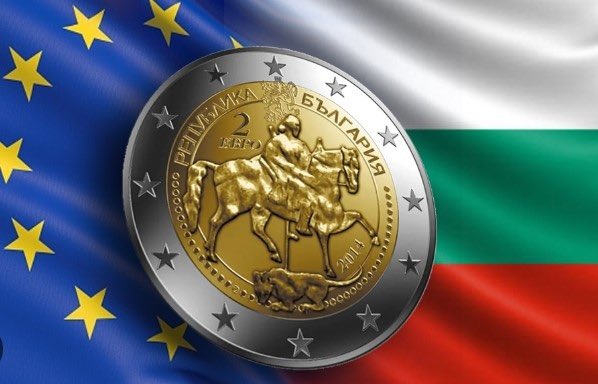
  • Bulgaria Set to Adopt the Euro in 2026

    6/7 – International Economic News & Monetary Analysis

    Bulgaria is poised to become the 21st member of the eurozone on January 1, 2026. The European Commission and European Central Bank (ECB) have formally approved the country’s accession, recognizing its efforts to meet stringent convergence criteria after years of setbacks. At surface level, this move aims at strengthening Bulgaria’s institutional integration into the European Union at a moment of heightened geopolitical tension on the EU’s eastern border.

    Bulgaria first committed to joining the eurozone when it became an EU member in 2007. Since then, progress has been delayed by political instability, inflation volatility, and persistent concerns over corruption and governance. Now, after nearly two decades of preparation and fiscal reform, the European Commission confirmed that Bulgaria has met all economic requirements—most notably curbing inflation, which fell to an average of 2.7% over the 12 months ending in April. Despite a temporary spike to 4% earlier this year following the removal of pandemic-era support and VAT changes, EU officials have deemed the inflationary impact as short-lived.

    The country also boasts one of the EU’s lowest public debt levels, at just 24.1% of GDP, well below the 60% threshold mandated for euro adoption. Its labor market is praised for being flexible and efficient, and its currency—the lev—has long been pegged to the euro, smoothing the eventual transition.

    For EU leaders, Bulgaria’s accession sends a strong message about the bloc’s resilience and cohesion, especially in the face of external pressures from Russia and internal populist currents. “Joining the euro area is the best investment Bulgaria can make in its future,” said European Commission Vice President Valdis Dombrovskis, highlighting the benefits of macroeconomic stability, investor confidence, and increased access to cheaper credit.

    Bulgaria’s eurozone accession comes at a strategically sensitive time. With Russia’s ongoing war in Ukraine and intensifying efforts to reassert influence over Eastern Europe, euro adoption binds Bulgaria more firmly to the EU’s political and financial institutions. It also provides the Balkan nation with additional protection in times of economic shocks—offering currency stability, access to European Central Bank mechanisms, and increased credibility with international investors.

    Prime Minister Rosen Zhelyazkov celebrated the milestone as a culmination of years of “strict fiscal discipline” and a key marker of Bulgaria’s European identity. Bulgaria will now gain a seat on the ECB’s Governing Council, giving it an albeit small but present voice in eurozone monetary policy—a significant shift for a country long on the periphery of the EU’s decision-making core.

    Yet, the decision is definitely not without its critics. Some observers have warned that the move may strain Bulgaria’s competitiveness if not supported by long-term structural reforms. The ECB’s own report advised that Bulgaria must adopt policies to prevent excessive credit growth, avoid macroeconomic imbalances, and ensure that wage growth stays aligned with productivity to maintain its attractiveness to foreign investors.

    Public Skepticism and Populist Backlash

    While the government and Brussels celebrate the euro’s arrival, the Bulgarian public remains deeply divided. A recent Eurobarometer poll showed that 50% of Bulgarians oppose joining the euro—up from 46% just a few months earlier. Many citizens, especially pensioners and low-income earners in rural areas, fear the change will bring inflation, higher prices, and reduced purchasing power.

    Protests against euro adoption have erupted across the country. Thousands rallied in Sofia, led by the far-right pro-Russian Revival Party, chanting slogans like “No to Euro Colonialism.” Their concerns mirror those seen in other countries that adopted the euro, where some merchants exploited the transition to raise prices during the conversion period. These fears are compounded in Bulgaria, where trust in public institutions remains fragile due to a prolonged period of political instability.

    Bulgaria has held seven national elections in just four years, with a string of short-lived coalition governments unable to maintain lasting momentum on reforms. President Rumen Radev, who holds an independent mandate, has proposed a referendum on euro membership—a move government officials have condemned as sabotage.

    Governance and Rule of Law Concerns

    Beyond economic data, Bulgaria still faces serious institutional challenges. The country remains under scrutiny for its weak rule of law, political corruption, and ineffective public administration. It has yet to establish a strong track record in prosecuting high-level corruption cases, and the latest EU rule-of-law report criticized the independence of several regulatory agencies.

    Adding to these concerns, Bulgaria remains on the Financial Action Task Force’s (FATF) “gray list” for inadequate money laundering controls—placing it alongside nations like Syria, Venezuela, and Yemen. Although this designation does not directly affect eurozone eligibility, it underscores the importance of continued reform. The ECB has called on Bulgaria to make further progress in strengthening its anti-money laundering framework and counter-terrorism financing efforts.

    A Transition Still Fraught with Challenges

    Finance Minister Temenuzhka Petkova has acknowledged the risks of price manipulation and promised strict monitoring of merchant behavior during the switchover. Efforts are underway to educate the public, including dual price displays in shops and a planned information campaign to ease the transition.

    Central bank governor Dimitar Radev emphasized that the technical infrastructure for the euro adoption is largely in place. What remains, he noted, is bringing public perception and trust in line with institutional readiness.

    For now, Bulgaria remains the EU’s poorest member by income. With an average monthly salary of just over €1,400, the transition to the euro will be closely watched by citizens who already feel economically vulnerable. While business leaders, such as hotel owners in tourist hubs like the Black Sea and numerous ski resorts throughout the mountains, welcome the expected boost in investment and tourism, everyday Bulgarians remain wary.

    Analysis:

    Bulgaria’s accession to the eurozone represents more than a currency change—it’s a bold step toward deeper EU integration at a time when the continent is being tested by war, populism, and economic uncertainty. For Brussels, it symbolizes a vote of continued confidence in the European project. For Sofia, it marks the culmination of a decade-long quest for legitimacy, modernization, and financial stability.

    Yet, success is not guaranteed. The euro will not resolve Bulgaria’s deep-rooted problems of governance, inequality, or institutional weakness. In fact, if the transition leads to economic disruption or rising prices, it may only deepen public disillusionment with the EU.

    The challenge now for Bulgarian leaders is twofold: first, to deliver a smooth, transparent conversion that safeguards citizens from inflation and financial abuse; and second, to continue the institutional reforms necessary to earn the public’s trust and prove that euro adoption is more than just a symbolic gesture.

    For Europe, Bulgaria’s move is a reminder that enlargement and integration are ongoing processes—ones that require not just economic metrics, but political will, societal resilience, and credible governance. Whether this moment marks a turning point for Bulgaria or just another phase in its turbulent political journey will depend on how leaders manage the opportunities—and the risks—of this historic transition.